
Yes. Even if you have been missing teeth for 5–10 years, dental implants may still be an option, provided your jawbone and overall health are suitable. To determine whether bone grafting is necessary, your dentist will assess the amount of bone remaining at the missing tooth site. They will also check the space available when you bite down, as the new tooth needs sufficient room to fit properly against the opposing teeth.
After a tooth is extracted, the bone that once surrounded its roots gradually becomes narrower and may also lose height. Studies show that the most significant bone changes occur during the first 3–6 months, with bone width typically decreasing more than bone height. The extent of bone loss also varies depending on the location of the missing tooth.
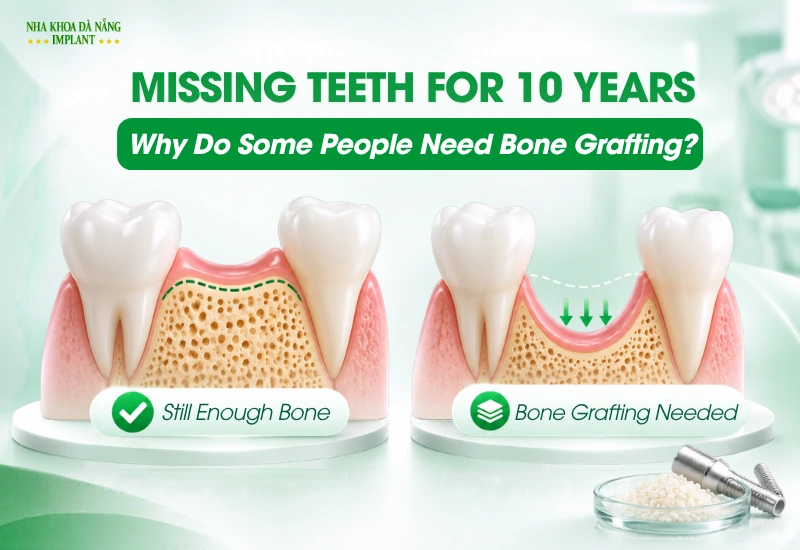
Why do some people still have enough bone after 10 years of tooth loss while others need bone grafting?
The amount of bone present before tooth loss also plays an important role. For example, if a tooth became loose due to periodontal disease, some of the supporting bone may already have been lost before the tooth fell out or was extracted.
Therefore, even if two people lost their teeth in the same year and their gums have both healed completely, the amount of bone remaining beneath the gums can be very different.
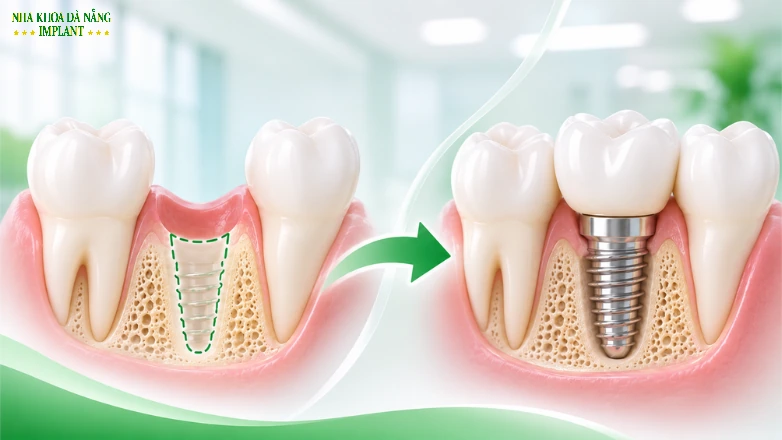
Is there enough jawbone height and width to support the implant?
When planning dental implant treatment, your dentist uses a Cone Beam Computed Tomography (CBCT) scan to measure the height and width of the jawbone and examine surrounding anatomical structures in three dimensions.
For missing upper back teeth, the dentist measures the amount of bone remaining beneath the maxillary sinus floor. For missing lower back teeth, they identify the position and course of the mandibular canal, which contains the inferior alveolar nerve.
This information helps determine the appropriate implant position, angulation, and dimensions to support the planned restoration.
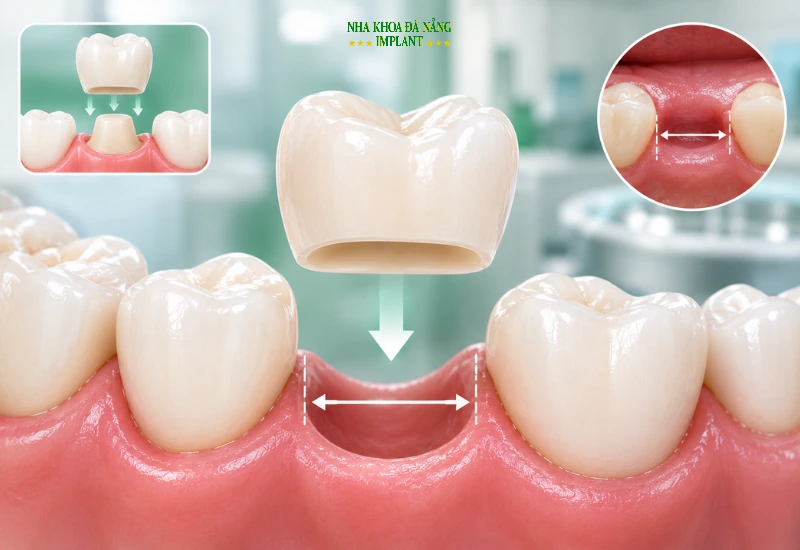
Is there still enough space for an implant crown?
Imagine you have been missing a lower molar for several years. The opposing upper molar may gradually over-erupt into the empty space, while neighboring teeth may tilt toward the gap.
As a result, the space available for the implant crown — the visible part of the replacement tooth used for chewing — may become limited when you bite down.
Even if there is enough bone to support an implant, your dentist may need to correct the position of tilted or over-erupted teeth to ensure the new crown fits properly and functions harmoniously with the surrounding teeth.
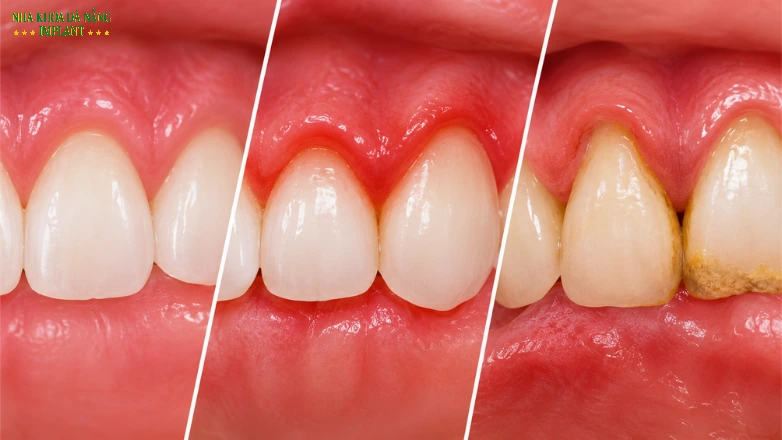
Are your gums and overall health suitable for dental implant treatment?
Your dentist will examine your gums and the supporting tissues around your remaining teeth.
If you have active periodontal disease, it should be treated and stabilized before implant placement.
Your dentist will also review your current medications, smoking habits, and blood sugar control if you have diabetes.
Smoking and poorly controlled blood sugar levels can interfere with healing and increase the risk of complications following dental implant surgery.
When considering bone grafting, your dentist must determine whether the implant can achieve sufficient initial stability and be positioned correctly to support the final crown.
| Condition at the Missing Tooth Site | Possible Treatment Approach |
|---|---|
| Sufficient bone height and width to support an implant in the correct position | Direct implant placement without bone grafting. |
| A small area of bone deficiency, but enough remaining bone to provide implant stability | Bone grafting may be performed during the same procedure as implant placement, depending on the gum condition and shape of the bone defect. |
| Significant bone loss that makes proper implant positioning or initial stability difficult | Bone grafting may be performed first, followed by a healing period and reassessment before implant placement. |
For missing upper back teeth, if the remaining bone beneath the maxillary sinus is too thin, your dentist may recommend a sinus lift procedure.
During this procedure, the sinus membrane is carefully elevated to create space for new bone formation beneath it, in the area where the implant will be placed.
Learn more about sinus lift surgery for dental implants.

Bone grafting procedure at Da Nang Implant Dental Clinic
If implant surgery is not suitable for your health condition or personal preferences, your dentist may discuss alternative tooth replacement options, such as dental bridges or removable dentures.
Yes, it may be possible, depending on the amount of remaining jawbone, your overall health, and the number of teeth that need to be replaced.
Bring your current dentures to your consultation and let your dentist know what causes you the most discomfort when eating. If your dentures frequently shift or feel loose, you can also ask about implant-supported removable dentures, which use dental implants to provide better stability.
In many cases, dental implants require approximately 2–6 months to integrate securely with the jawbone before the final restoration can be placed.
If bone grafting is needed as a separate procedure before implant placement, the overall treatment time will be longer.
During your consultation, you can ask your dentist about temporary teeth during the healing period and the expected timeline for receiving your final fixed restoration.
For a single-tooth implant, make sure your treatment quote includes the implant fixture, abutment, and dental crown.
If your dentist recommends bone grafting or a sinus lift, ask whether these procedures are included in the total treatment cost or charged separately.
View Our Dental Implant Price List.
During your consultation, ask your dentist to show you the area of your jawbone that is expected to support the implant on your CBCT scan.
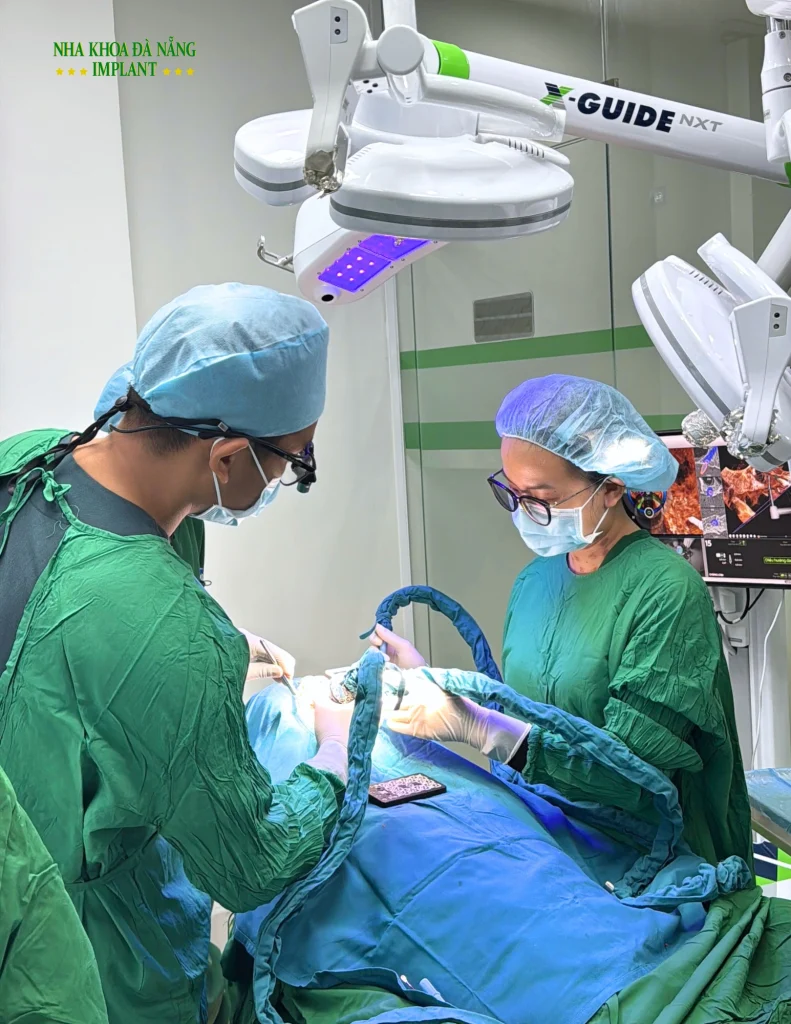
Treatment at Da Nang Implant Dental Clinic
If bone grafting is required, you can also ask about the number of appointments, expected healing time, and total treatment costs before making a decision.
You can schedule a consultation at Da Nang Implant Dental Clinic, located at 420 2 Thang 9 Street, Hoa Cuong Ward, Da Nang City, Vietnam.
For appointments and further information, contact us at 0899 412 412 or visit our appointment booking page.
Ngày: 27/08/2026
Ngày: 13/10/2026
Ngày: 05/11/2026