
Dental implant treatment is widely regarded as one of the most effective ways to restore missing teeth. However, losing a tooth does not always mean that an implant can be placed immediately.
In certain cases, rushing into surgery before a patient’s general health, gum tissue, or jawbone is ready may increase the risk of delayed healing, infection, peri-implant disease, or poor integration between the implant and the surrounding bone.
So, who should not get dental implants right away? What should patients prepare before implant surgery? This article explains the key situations in detail.
A dental implant is an artificial tooth root, usually made from titanium or another highly biocompatible material. It is surgically placed into the jawbone to replace the root of a missing tooth.
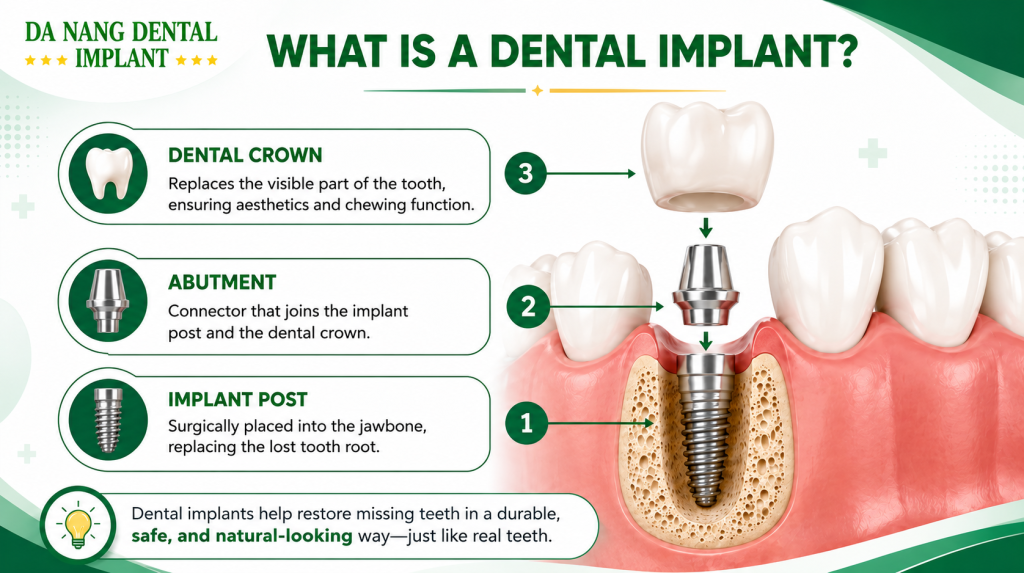
What Is A Dental Implant?
After placement, the implant gradually integrates with the jawbone and forms a stable foundation similar to a natural tooth root. Once osseointegration is complete, the dentist attaches an abutment and a dental crown to restore chewing function, appearance, and overall oral function.
A successful dental implant procedure depends on more than the implant brand or material. Important factors include:
For this reason, a complete examination and careful assessment before implant placement are essential.
Being advised not to receive an implant immediately does not mean that a patient can never have implant treatment.
In most cases, implant placement only needs to be postponed while the dentist treats infection, stabilizes an underlying condition, improves oral hygiene, or rebuilds insufficient jawbone.
Only a small number of patients with particularly high medical risks may need an alternative tooth-replacement option or treatment at a specialized facility where an implant dentist can coordinate care with the patient’s physician.
Unstable systemic diseases can affect blood clotting, wound healing, and the body’s ability to fight infection.
Conditions requiring special caution may include:
Patients with a serious uncontrolled medical condition should generally postpone implant placement until their health has been stabilized and improved.
This does not mean that people with diabetes, hypertension, or heart disease are automatically unsuitable for dental implants. Many patients with chronic conditions can still receive implants when their disease is well controlled and treatment is coordinated with the relevant medical specialist.
Periodontitis is an inflammatory disease affecting the gums and the bone that supports the teeth. If implants are placed before periodontal disease is controlled, bacteria may remain active and increase the risk of inflammation around the implant.
Common warning signs include:
According to the American Academy of Periodontology, a history of periodontal disease, poor plaque control, smoking, and diabetes are associated with a higher risk of peri-implant disease.
The dentist may recommend:
Implant placement is usually considered only after inflammation has been controlled and the patient is able to maintain good oral hygiene.
The following infections may need to be treated before implant surgery:
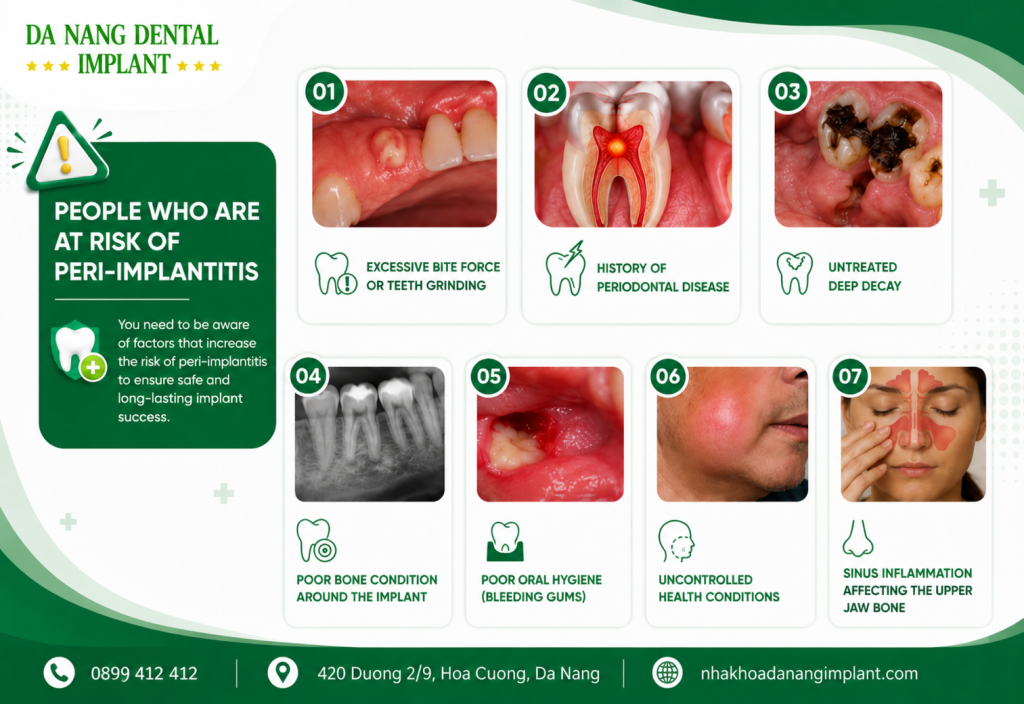
People Who Are At Risk Of Peri Implantitis
Placing an implant in an area where infection has not been controlled may increase the risk of pain, swelling, postoperative infection, and impaired osseointegration.
However, not every chronic periapical lesion requires implant placement to be postponed. In selected cases, an immediate implant may still be possible if the surgical site is thoroughly cleaned and sufficient bone remains to achieve primary stability.
Patients should therefore avoid making their own conclusions based only on an X-ray. Each case must be evaluated individually by an implant dentist.
Nicotine and other substances in tobacco smoke can reduce blood circulation in the gums, delay wound healing, and increase the risk of inflammation around dental implants.
Smoking is also recognized as an important risk factor for periodontal and peri-implant disease.
Smokers are not automatically refused implant treatment. However, the dentist may ask the patient to reduce or stop smoking before and after surgery.
If patients hide their smoking habits, the dentist may not be able to assess the true level of risk or design an appropriate care plan. This can affect the long-term treatment outcome.
Dental implant placement is an elective procedure rather than an emergency treatment. For this reason, pregnant women are usually advised to postpone implant surgery until after delivery.
The treatment process may involve:
During pregnancy, dentists generally prioritize urgent dental care and postpone elective restorative surgery whenever possible.
Dental implants are fixed in the jawbone and do not move with the natural growth of the teeth and facial bones.
Children and teenagers who have not completed jaw development are therefore usually not suitable candidates for implant placement. If an implant is placed too early, it may later appear lower, misaligned, or disproportionate compared with the surrounding teeth as the jaw continues to grow.
The dentist may use diagnostic imaging and growth monitoring to determine the appropriate timing.
After a tooth has been missing for a long time, the jawbone in that area may shrink in height or width.
Other possible problems include:
If an implant is placed where bone volume is inadequate or primary stability cannot be achieved, treatment may not proceed as planned.
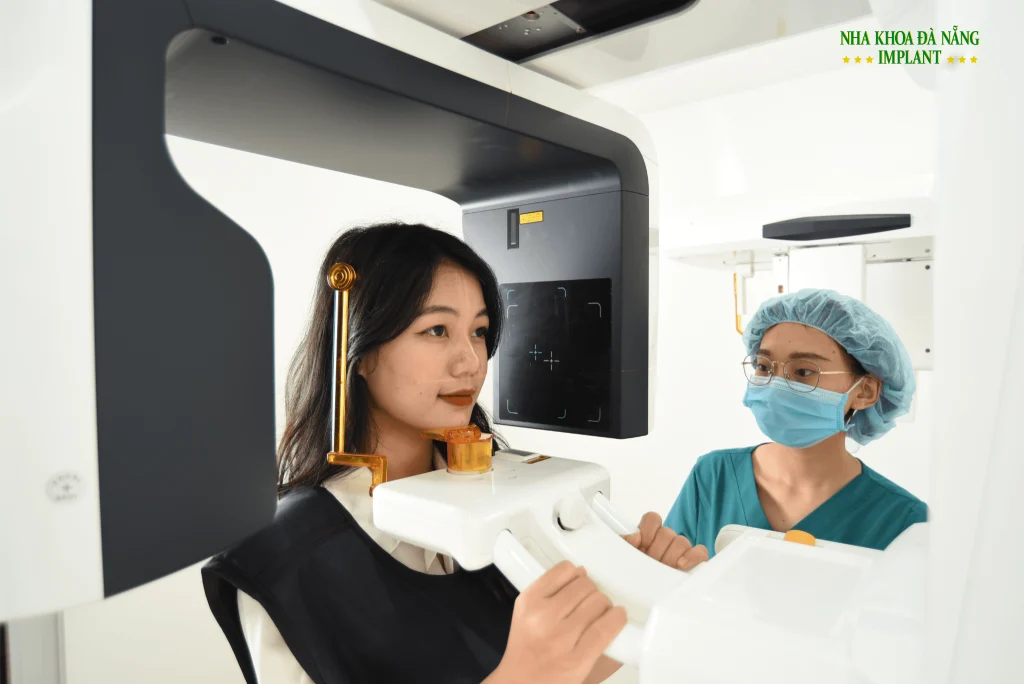
3D Cone Beam CT Scan
Many patients can still receive implants with the help of procedures such as:
The need for bone grafting can only be determined after a clinical examination and a 3D Cone Beam CT scan.
Bruxism creates strong, repeated forces on the teeth, crowns, and implants. If these forces are not controlled, patients may experience:
In these cases, the dentist needs to evaluate the bite, severity of grinding, and its underlying causes before completing the implant treatment plan.
Treatment may include bite adjustment, a night guard, or changes to the design of the implant-supported restoration.
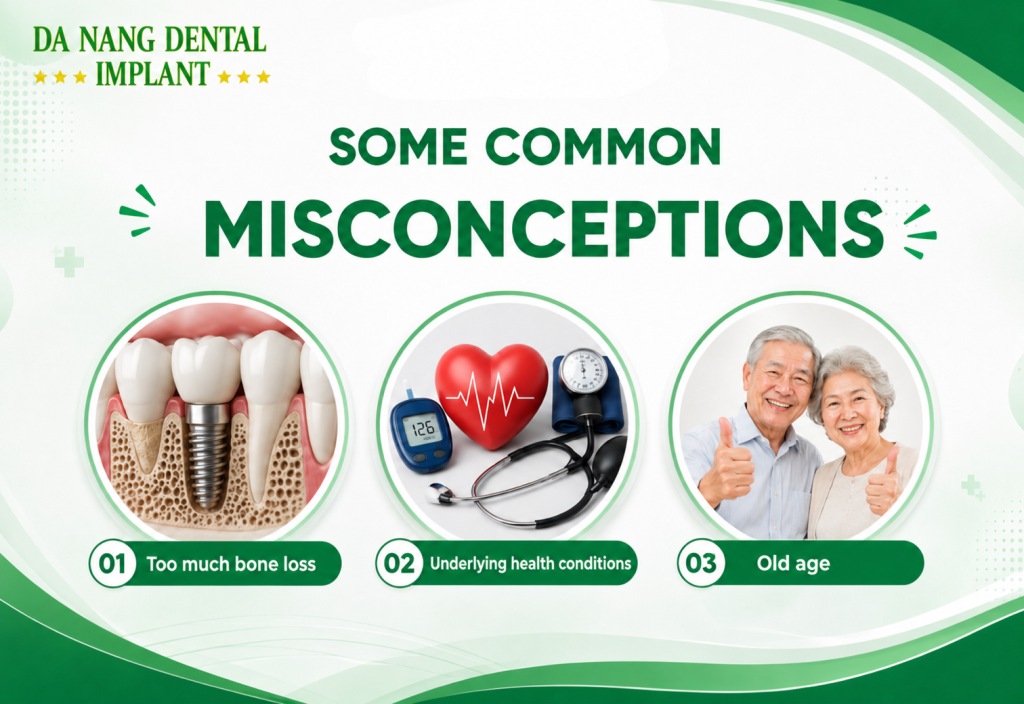
Some Common Misconceptions
Bone loss can make treatment more complex, but it does not always mean that implants are impossible.
Depending on the patient’s condition, the dentist may consider bone grafting, sinus lifting, or a different implant technique and design.
Many patients with chronic diseases can still receive dental implants when their condition is well controlled.
The key is to provide complete and honest medical information, complete any required tests, and follow the instructions of both the dentist and the relevant medical specialist.
This is not correct.
Advanced age alone is not an independent contraindication to implant treatment. Patients aged 75 and older may still be considered if their health, ability to maintain oral hygiene, and long-term implant care can be adequately managed.
Dentists focus more on a patient’s actual health and functional condition than on chronological age alone.
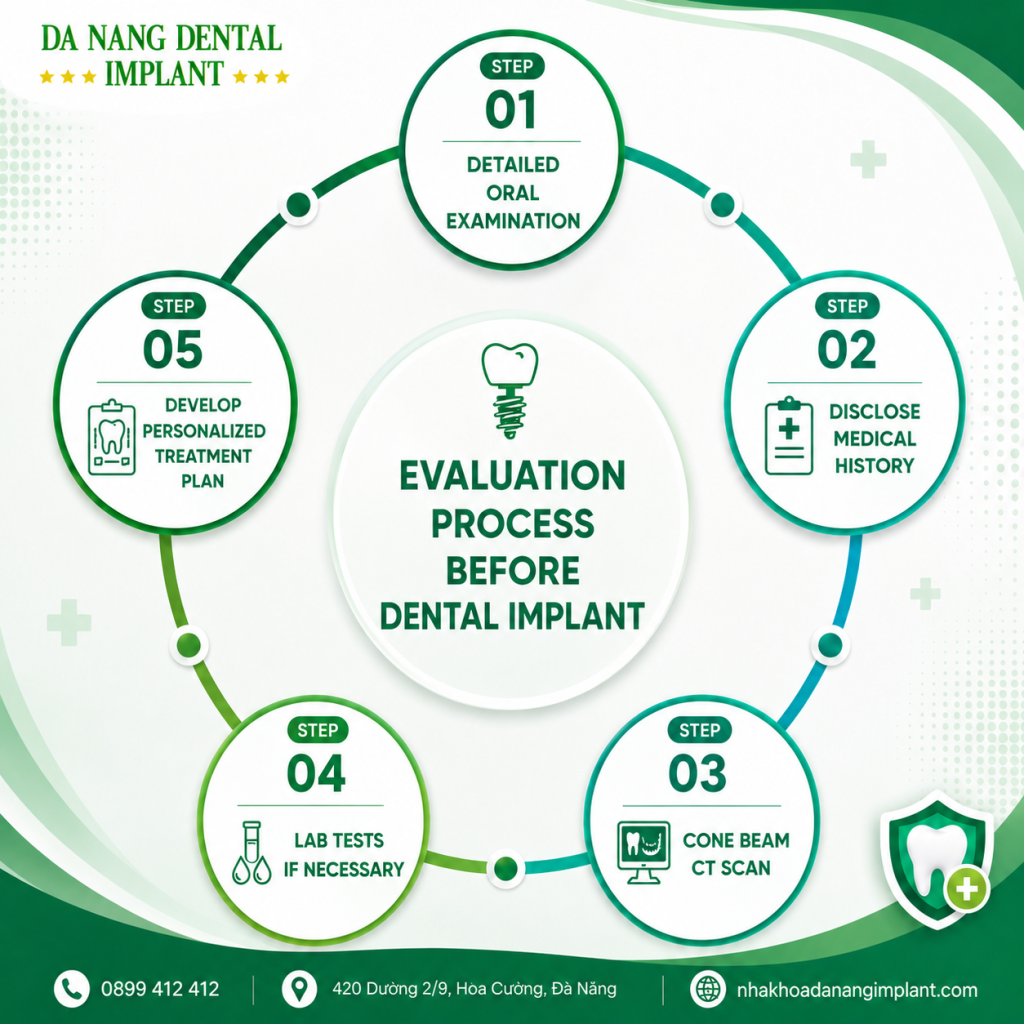
Evaluation Process Before Dental Implant
At Da Nang Implant Dental Clinic, the evaluation process generally includes the following steps:
The dentist examines the missing-tooth area, gum condition, remaining teeth, bite, and any signs of infection.
Patients should provide information about:
A 3D scan helps the dentist assess bone volume, anatomical structures, nerves, and the maxillary sinus.
Depending on the patient’s health, the dentist may request blood glucose testing, coagulation tests, or medical clearance from a specialist.
The dentist determines:
There is no single waiting period that applies to every patient.
The timing depends on:
Some patients may receive implants once periodontal disease has been stabilized. Others may need to wait several months for new bone to form. Patients receiving medical treatment may also need approval from their specialist.
For this reason, patients should not compare their treatment timeline with someone else’s.
The most reliable way to find out is to visit a dental clinic for a direct examination and a 3D scan.
Patients should bring:
Providing complete information helps the dentist evaluate risks accurately and create a safer treatment plan.
A successful dental implant procedure does not begin with choosing the most expensive implant. It begins with an accurate diagnosis, proper control of risk factors, and a treatment plan designed for the individual patient.
At Da Nang Implant Dental Clinic, every patient receives a comprehensive examination and assessment before implant placement is recommended:
We do not aim to place implants as quickly as possible at any cost. What matters is selecting the right timing, the right position, and the right treatment approach to minimize risk and support a stable, long-lasting restoration.
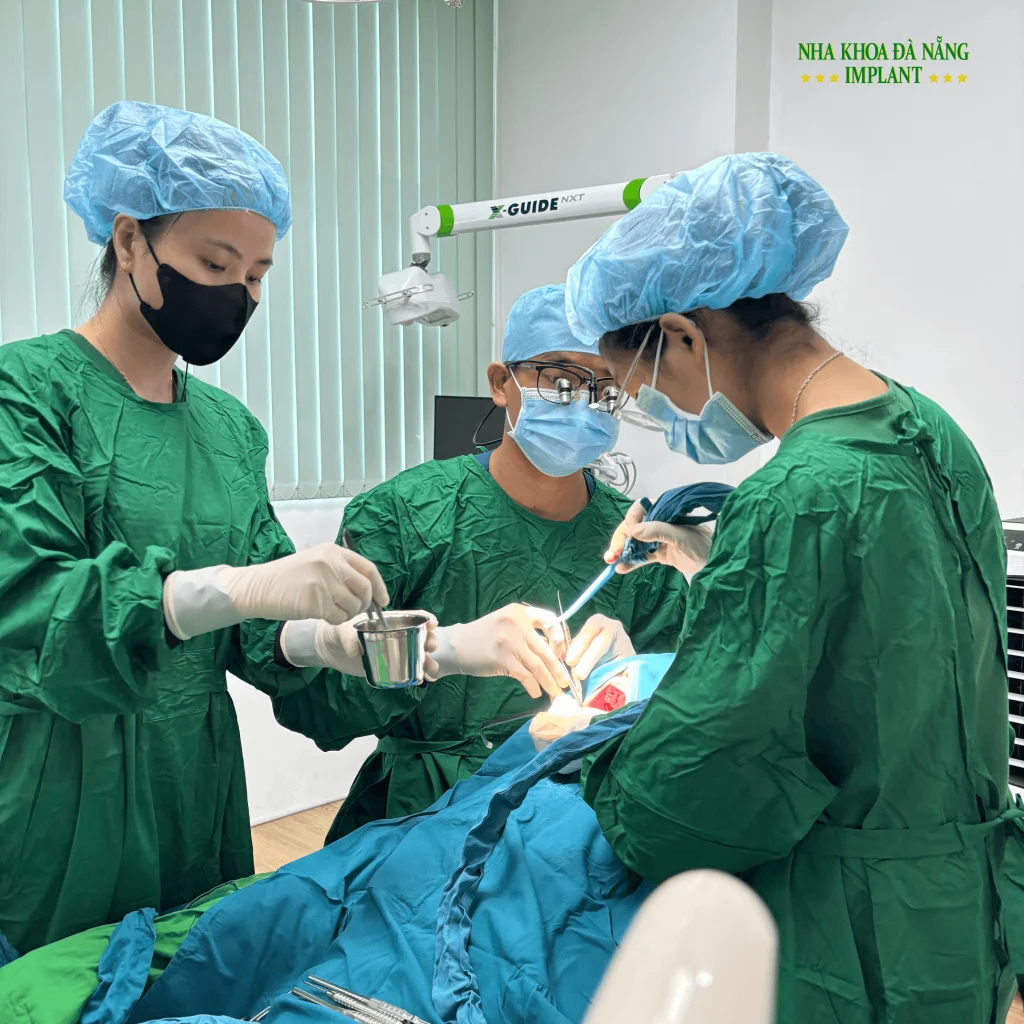
Dental Implant Treatment at Da Nang Implant Dental Clinic
Book an examination at Da Nang Implant Dental Clinic so our dentists can:
Do not delay replacing missing teeth unnecessarily, but do not rush into implant surgery without a complete assessment.
👉 Book an implant consultation and examination with a dentist at Da Nang Implant Dental Clinic today.
👉 Send us information about your dental condition or your X-ray images for an initial consultation.
👉 Contact the clinic to schedule an appointment at a convenient time.

Ngày: 19/04/2025

Ngày: 26/10/2023

Ngày: 15/09/2026

Ngày: 12/09/2026

Ngày: 12/09/2026

Ngày: 09/09/2026