
Teeth that are discolored, chipped, or unevenly shaped often lead people to consider cosmetic dental restorations. However, when it comes to dental crowns and porcelain veneers, which option is right for you?
The main difference lies in how much of the tooth they cover: a dental crown covers the prepared tooth, while a veneer primarily covers the front surface. As a result, these two treatments involve different tooth preparation techniques and are recommended for different dental conditions.
Understanding these differences before making a decision can help you have a more informed discussion with your dentist about both aesthetics and preserving your natural teeth.
A dental crown is a restoration that covers the prepared portion of a tooth. It is custom-designed to fit the tooth being restored and permanently secured using dental cement.
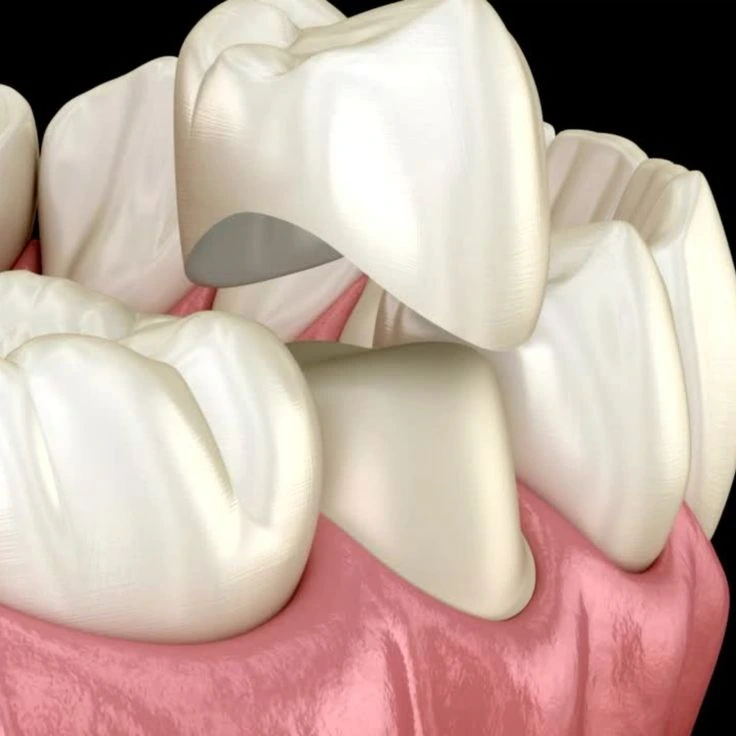
Dental Crowns
Dental crowns can help restore tooth shape, improve aesthetics, and protect weakened teeth. They are often considered when a tooth is fractured, has a large filling, or has insufficient healthy tooth structure to support a conventional restoration.
An important question to ask when your dentist recommends a crown is: “How much protection does this tooth need, and why?”
Porcelain veneers are thin, custom-made ceramic shells bonded to the front surfaces of teeth to improve their color, shape, or minor aesthetic imperfections.
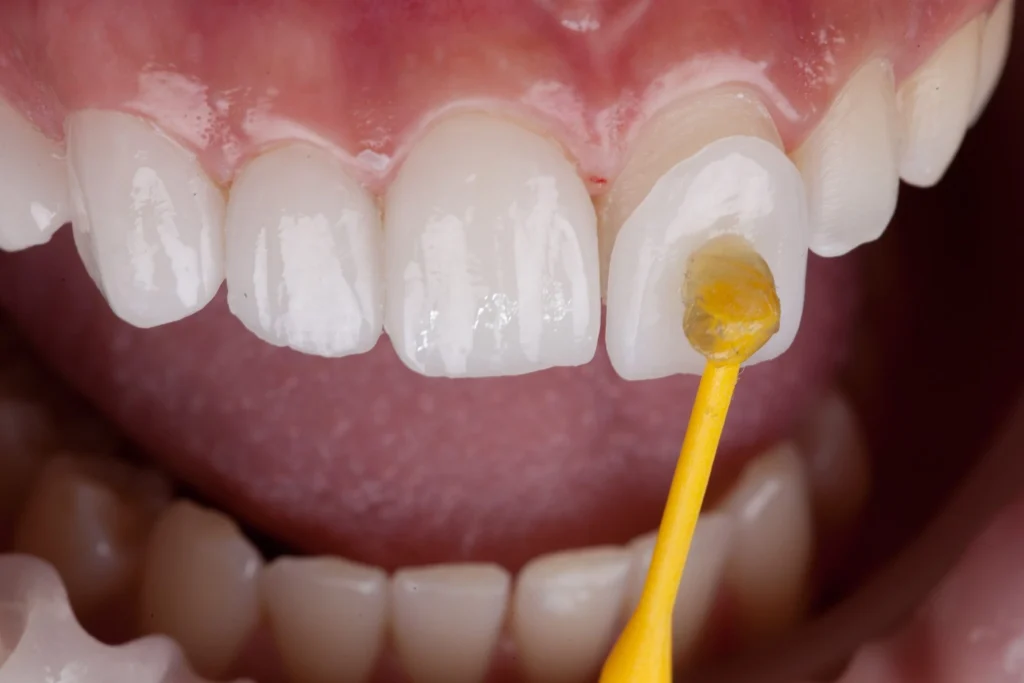
Porcelain Veneers
Veneers may be suitable for mildly chipped teeth, irregular tooth shapes, certain gaps between teeth, or discoloration that cannot be effectively improved through teeth whitening.
Compared with crowns, veneers generally require less removal of natural tooth structure. However, the dentist may still need to prepare the front surface and edges of the tooth to create sufficient space for the veneer and prevent the restored tooth from appearing too thick or bulky.
In this article, the term “veneer” refers specifically to porcelain veneers, rather than direct composite bonding.
| Criteria | Dental Crowns | Porcelain Veneers |
|---|---|---|
| Coverage | Cover the prepared tooth structure | Primarily cover the front surface |
| Main purpose | Restore and protect the tooth while improving aesthetics | Primarily improve dental aesthetics |
| Tooth preparation | Usually involves multiple tooth surfaces | Usually focuses on the front surface and may include the incisal edge |
| Preservation of natural teeth | Generally requires more tooth preparation than veneers | Generally preserves more natural tooth structure |
| Suitable conditions | Weakened, fractured, or significantly damaged teeth | Relatively healthy teeth with suitable cosmetic imperfections |
This comparison highlights the basic differences between the two treatments. However, the most appropriate option must be determined through an individual dental examination.
If a tooth has a large filling, is fractured, or has become significantly weakened, your dentist may recommend a crown to restore its shape and protect the remaining structure.
The decision is not based solely on appearance. It also depends on how much healthy tooth structure can be preserved.
You should ask your dentist to explain, using dental images or a direct examination, which parts of the tooth are damaged, which areas need protection, and whether a more conservative treatment option is available.
Porcelain veneers may be suitable when your teeth and gums are healthy, but you want to improve tooth color, shape, or minor cosmetic imperfections.
Before veneer placement, any tooth decay or gum disease should be treated.
Patients who grind or clench their teeth, or have a deep bite, require careful evaluation because these conditions may place excessive stress on veneers.
Less tooth preparation does not mean porcelain veneers are suitable for everyone.
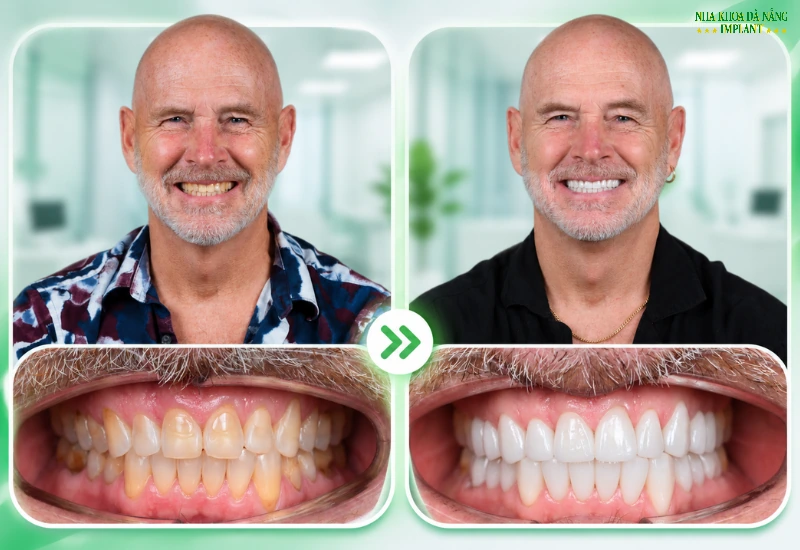
Patient Receiving Porcelain Veneers at Da Nang Implant Dental Clinic
Dental crowns and veneers are not the only available options.
Depending on the condition of the tooth, your dentist may recommend dental fillings or partial restorations, such as inlays or onlays, to preserve more natural tooth structure.
Instead of starting with the question, “Which type of porcelain restoration should I choose?”, consider asking:
“Does my dental condition actually require a porcelain restoration?”
Not all porcelain veneers can be placed without tooth preparation.
Some teeth require preparation to create enough space for the ceramic material, adjust the tooth shape, and prevent the veneer from appearing excessively thick.
Once tooth enamel has been removed, it cannot naturally regenerate. Therefore, before undergoing treatment, it is important to understand the extent of tooth preparation and the long-term maintenance requirements.
You should discuss three important questions with your dentist:
Which areas of my teeth need to be prepared?
Why is this level of preparation necessary?
Are there any suitable alternatives if I decide not to get porcelain veneers?
No. Getting a dental crown does not automatically mean that root canal treatment is necessary.
Teeth with healthy, living pulp can still receive crowns. However, some patients may experience temporary sensitivity to hot or cold temperatures after the restoration.
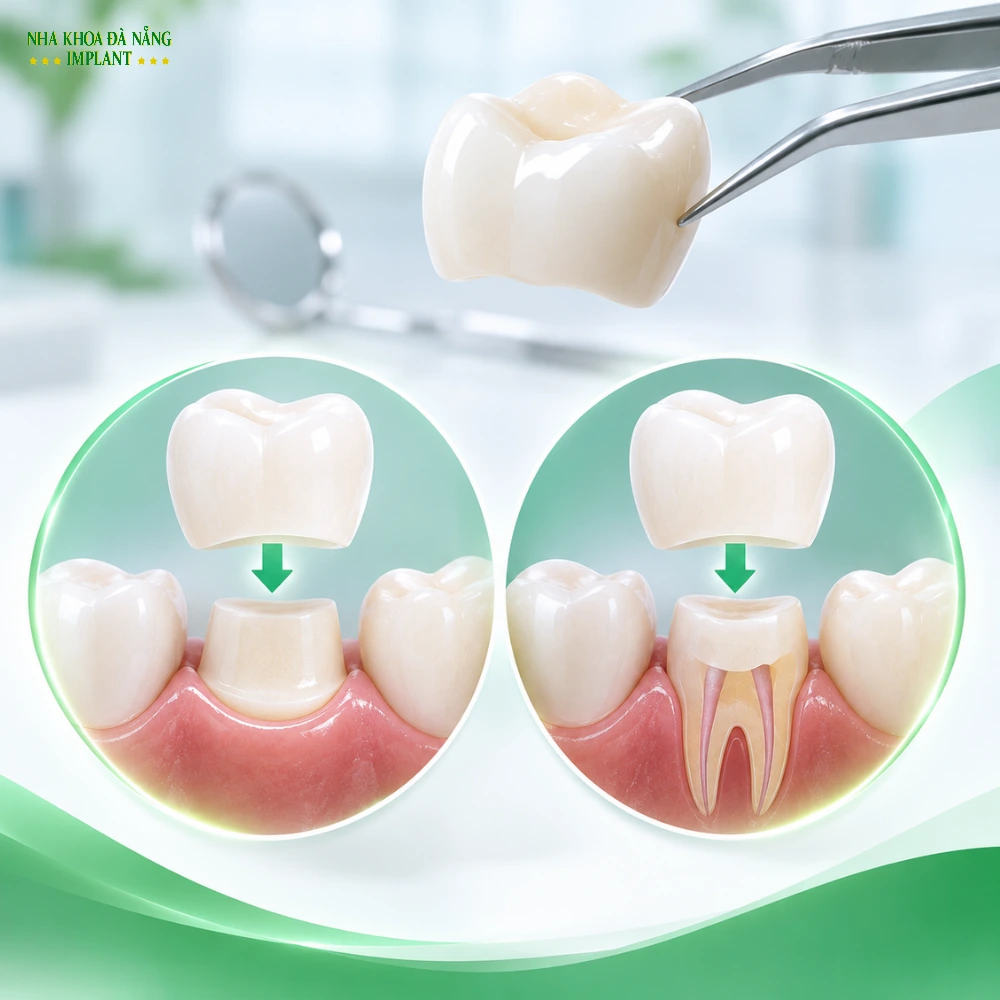
Do Dental Crowns Always Require Root Canal Treatment?
Root canal treatment is indicated when the dental pulp is irreversibly inflamed or infected, and this condition must be assessed separately.
After root canal treatment, the dentist will determine whether a crown or another appropriate restoration is needed to protect the tooth and restore its function.
Instead of simply asking, “Do I need a root canal?”, you should also ask:
“What is the current condition of my dental pulp, and what clinical findings support this diagnosis?”
For restorations fabricated in a dental laboratory, the treatment process generally includes the following steps:
Examination and treatment planning: Your dentist evaluates your dental condition and discusses your desired results.
Tooth preparation and impressions: The teeth are prepared according to the selected treatment, followed by conventional or digital impressions for restoration fabrication.
Temporary restorations when necessary: Temporary restorations may be placed to protect the teeth while the permanent restorations are being made.
Try-in and final bonding or cementation: The dentist checks the shape, color, fit, and bite before permanently securing the restoration.
Dental crowns and veneers typically require more than one appointment.
The actual treatment time depends on whether additional dental or gum treatments are necessary and how long the laboratory needs to fabricate the restorations.
Before final placement, be sure to tell your dentist if you are not satisfied with the shape, color, or bite of the restoration.
It is not possible to determine which restoration will last longer simply by comparing the thickness of a dental crown and a porcelain veneer.
Each restoration must be selected and used according to the patient’s dental condition.
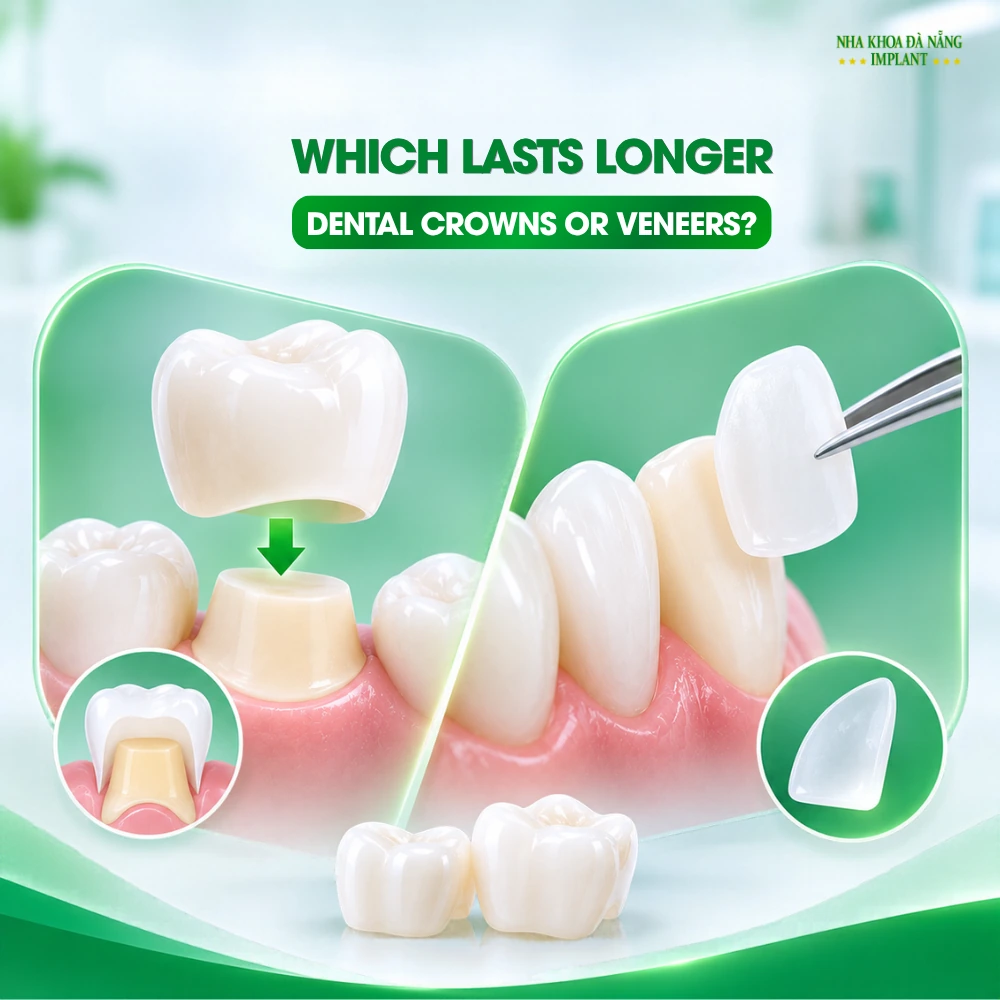
Which Lasts Longer: Dental Crowns or Porcelain Veneers?
Commonly cited lifespan estimates are approximately 10–15 years for dental crowns and 15–20 years for porcelain veneers with proper care.
However, these figures do not come from a direct comparison between the two treatments and do not establish that veneers are more durable than crowns.
Dental restorations may require repairs or replacement over time.
Rather than only asking, “How many years will this restoration last?”, consider asking:
What factors could affect the longevity of my restoration?
How should I care for my restoration, and how often should I have dental check-ups?
If the restoration develops a problem, what treatment options and additional costs should I expect?
You should request a quotation based on your individual treatment plan, rather than comparing only the price per tooth.
Important details to clarify include:
The number of teeth and the types of restorations recommended.
The materials used and their product information.
Any dental treatments required before crown or veneer placement.
The costs of temporary restorations, follow-up appointments, and other included services.
Warranty conditions and circumstances that may result in additional charges.
Do not assume that veneers are always less expensive simply because they generally require less tooth preparation.
To understand the actual cost, compare quotations that include the same scope of treatment and services.
Good oral hygiene remains essential after receiving crowns or veneers.
Brush your teeth twice daily using fluoride toothpaste.
Clean between your teeth every day.
Avoid biting your nails, chewing ice, or using your teeth to bite hard objects.
Attend regular dental check-ups as recommended by your dentist.
Porcelain veneers may chip, crack, or become loose over time. Proper care and regular dental examinations can help identify potential problems early.
For dental crowns, contact your dentist if you experience an uneven bite, significant pain, or increasing swelling.
The choice depends on the amount of remaining natural tooth structure and the tooth's restorability. After root canal treatment, a tooth may need protection with a dental crown or another appropriate restoration. Veneers should not be chosen solely to conceal tooth discoloration without a proper clinical evaluation.
If tooth preparation involves removing enamel, the teeth cannot be restored to their exact original condition. It is important to understand this before agreeing to treatment.
Both options can improve the appearance of your smile. However, veneers primarily address cosmetic imperfections on the front surface of teeth, while crowns also help restore damaged teeth. The right choice should be based on your dental condition, not just your desired smile appearance.
A natural, harmonious smile begins with understanding your dental condition and choosing the right treatment.
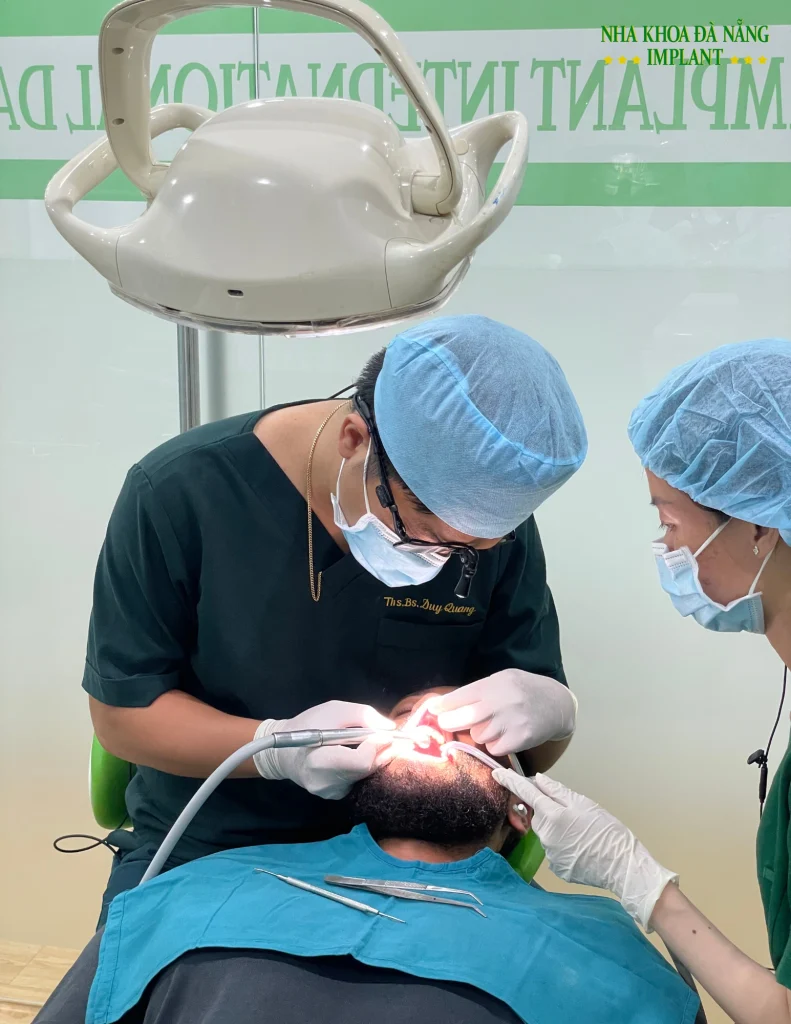
Dental Crowns and Porcelain Veneers at Da Nang Implant Dental Clinic
If you are considering dental crowns or porcelain veneers but are unsure which option is right for you, contact Da Nang Implant Dental Clinic to schedule a consultation.
Our dentists can evaluate your dental condition, discuss your aesthetic goals, and address any concerns you may have about treatment.
Before making your decision, ask about tooth preparation, restoration materials, treatment costs, and long-term care so you can choose a dental restoration with confidence and a clear understanding of the process.
Ngày: 09/09/2026

Ngày: 29/10/2025

Ngày: 13/12/2025

Ngày: 21/01/2026
Ngày: 26/10/2026