Do you brush your teeth regularly every morning and evening, and even use mouthwash, yet your breath still has an unpleasant odor? Bad breath despite thorough brushing does not necessarily mean that your oral hygiene is poor. The odor may come from areas that a toothbrush cannot reach or may be related to an underlying health issue.
Instead of brushing more frequently or constantly relying on breath mints, the key is to identify the actual cause. Below are seven commonly overlooked causes of bad breath and appropriate ways to address them.
Bad breath, also known as halitosis, commonly occurs when bacteria break down food particles, dead cells, and protein-containing compounds in the mouth. This process produces volatile sulfur compounds, which can cause an unpleasant odor when you speak or breathe.

Bad Breath Despite Thorough Brushin
Brushing mainly cleans the outer, inner, and chewing surfaces of the teeth. However, bacteria and plaque can still remain in:
Therefore, brushing thoroughly does not necessarily mean that the entire mouth has been completely cleaned.
The tongue has an uneven surface with many tiny papillae, creating areas where bacteria, food particles, and dead cells can accumulate. The back of the tongue, in particular, is difficult to see and is often overlooked during oral hygiene.
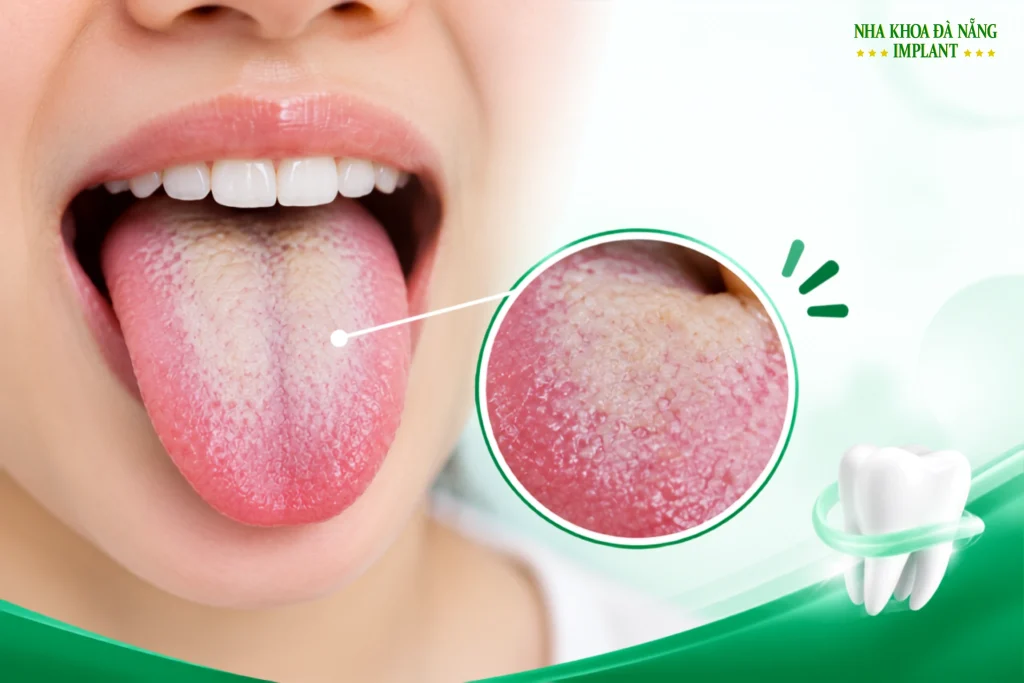
Tongue Coating Has Not Been Properly Cleaned
If you only brush your teeth without cleaning your tongue, a white or pale yellow coating may continue to produce an unpleasant odor. This is one of the common reasons why your breath may still smell even when your teeth appear clean.
Possible signs:
What you can do:
Use a tongue scraper or a soft-bristled toothbrush to gently clean the tongue from back to front. Avoid scraping too aggressively, as this may irritate or damage the tongue. Tongue cleaning should be combined with brushing and interdental cleaning rather than replacing them.
Toothbrush bristles often cannot reach deeply between adjacent teeth. Without dental floss, interdental brushes, or a water flosser, food particles may remain trapped and be broken down by bacteria, resulting in an unpleasant odor.
This problem is more common in people with:
Some people spend a long time brushing their teeth but skip interdental cleaning. In these cases, the source of the odor may remain.
What you can do:
Floss at least once a day. For dental bridges, implants, or orthodontic appliances, use interdental brushes, specialized floss, or a water flosser as recommended by your dentist.
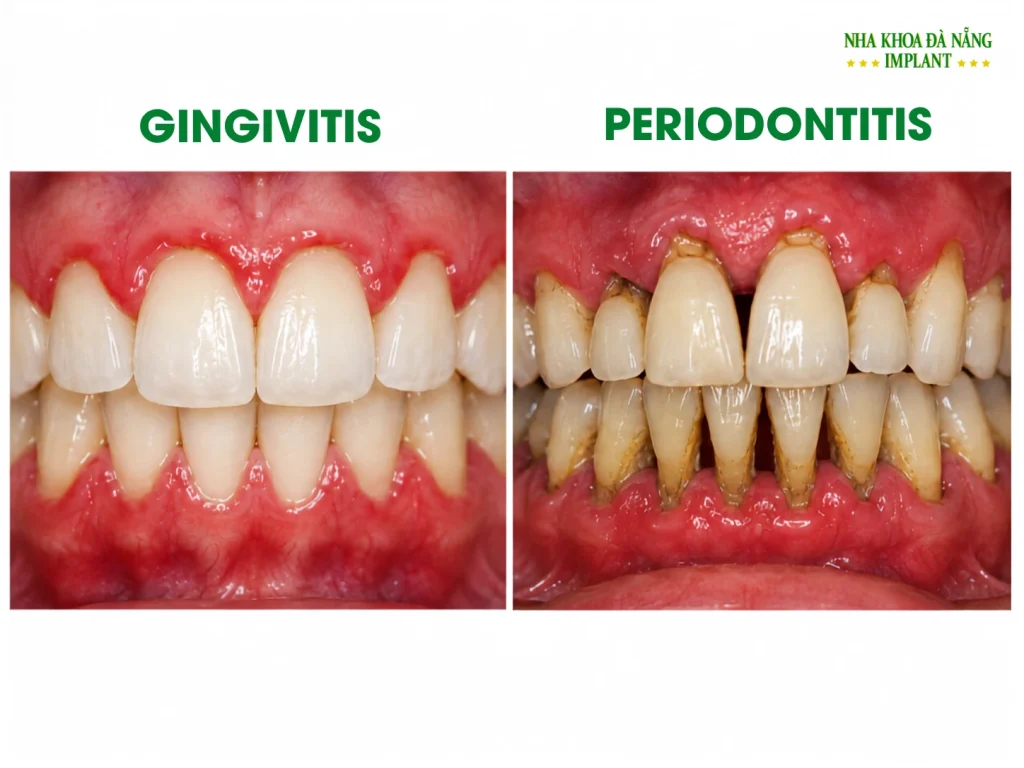
Gingivitis and periodontitis are important causes of persistent bad breath. Plaque and tartar accumulating around the gumline create an environment where bacteria can thrive.
In the early stages, gum disease may not cause pain, so many people do not notice it. As the condition progresses, the gums may separate from the tooth surface, forming periodontal pockets. Bacteria, inflammatory fluids, and food debris can accumulate deep inside these pockets and cannot be removed with a regular toothbrush.
Warning signs:
Bleeding gums are not considered normal. If tartar or periodontal disease is the underlying cause, brushing more often or using mouthwash may only mask the odor temporarily. A dental examination, professional tartar removal, and appropriate gum treatment may be necessary.
A small cavity, an improperly positioned wisdom tooth, or a leaking filling can become a place where food and bacteria accumulate. Because these areas may be difficult to see, they can easily go unnoticed during daily oral hygiene.

Treatment at Da Nang Implant Dental Clinic
Dental problems commonly associated with bad breath include:
If bad breath occurs together with toothache, swollen gums, pus, pain when chewing, or an unusual unpleasant taste in the mouth, you should visit a dental clinic promptly. Oral infections need to be treated at their source rather than managed only with medication or odor-masking products.
Saliva helps keep the mouth moist, wash away food particles, and control excessive bacterial growth. When saliva production decreases, bad breath may become more noticeable, especially after waking up.
Dry mouth may be associated with:
Hundreds of medications can reduce saliva production, including certain medications used to treat high blood pressure, depression, and bladder problems. Patients should not stop taking prescribed medications on their own and should discuss any concerns with their healthcare provider.
Ways to improve dry mouth:
If dry mouth persists, your dentist can assess your risk of tooth decay and gum disease and recommend suitable supportive products.
Not every case of bad breath originates from the teeth. Small crypts in the tonsils can trap bacteria, dead cells, and food debris. When these materials accumulate and harden, they can form white or pale yellow tonsil stones.
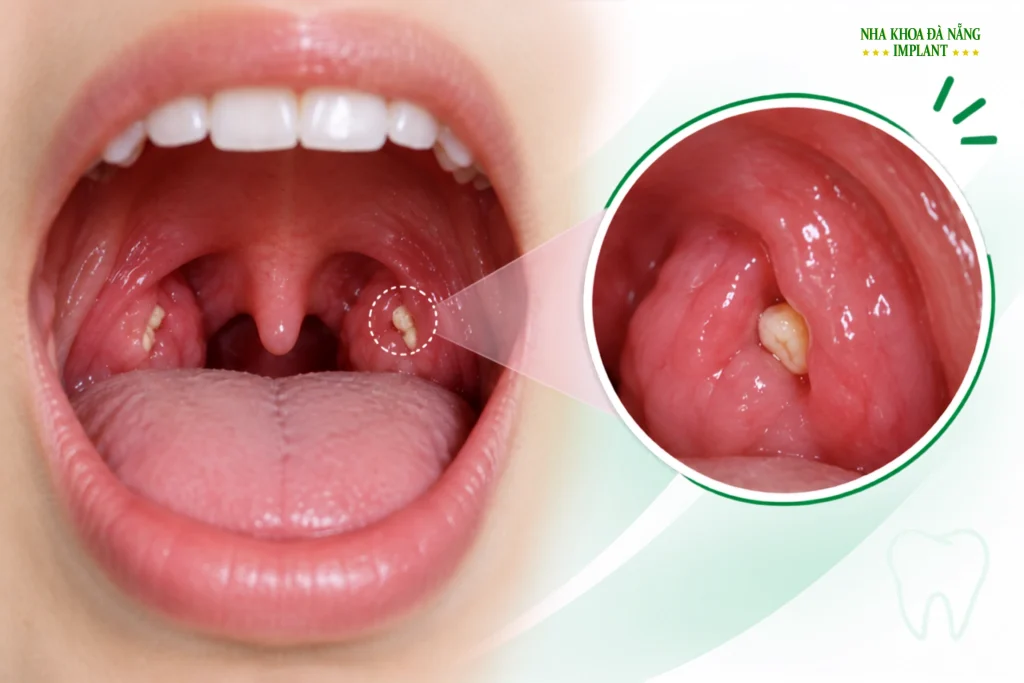
Bad breath is one of the common symptoms associated with tonsil stones. Some people may also experience a sensation of something being stuck in the throat, discomfort when swallowing, or notice small, foul-smelling particles coming from the tonsil area.
In addition to tonsil stones, tonsillitis, sinusitis, nasal congestion, or postnasal drip may also contribute to bad breath.
You should consider seeing an ENT specialist if:
Do not attempt to remove tonsil stones using hard or sharp objects, as this can cause bleeding or damage the tissues in the throat.
Gastroesophageal reflux can cause stomach acid or food to flow back into the esophagus, creating a sour or bitter taste and potentially affecting breath odor. However, many people quickly assume that bad breath is caused by “stomach problems” without first checking the teeth, gums, and tongue.
In practice, oral conditions should still be evaluated first. Dental and gum disease, dry mouth, tonsil inflammation, and acid reflux are among the possible causes of bad breath.
In some cases, unusual breath odor may also be associated with systemic health conditions. These causes are less common than oral causes but should be considered when other symptoms are present, such as:
If your dentist cannot identify a cause within the mouth, you may be referred to an appropriate medical specialist for further evaluation.
It is not always easy to accurately assess your own breath. Breathing into your hand and smelling it is generally not a reliable method.
You can:
Your dentist may also ask when the odor occurs, what you eat, which medications you take, whether you smoke, and whether you have any other symptoms to help identify the underlying cause.
If there are no signs of infection or another serious condition, you can start with the following measures:
Use fluoride toothpaste and brush all surfaces of your teeth for approximately two minutes. Avoid brushing too aggressively, as this may contribute to gum injury and wear around the neck of the teeth.
Dental floss helps remove plaque from areas that a toothbrush cannot reach. People with dental bridges, implants, or braces should use cleaning tools appropriate for each area.
Gently scrape or brush your tongue, focusing on areas with visible coating. Clean your tongue-cleaning device after each use.
Regular water intake can help reduce dry mouth. If you talk frequently, work in an air-conditioned environment, or regularly drink coffee, pay particular attention to staying hydrated.
Removable dentures, clear aligners, and retainers should be cleaned according to professional instructions. Avoid putting dental appliances back into your mouth if they still have an odor or food debris on them.
Smoking not only causes unpleasant breath but also increases the risk of gum disease and dry mouth. Alcohol can also contribute to dehydration in the mouth and make bad breath more noticeable.
Mouthwash may temporarily reduce bacteria or mask unpleasant odors, but it cannot remove tartar, treat cavities, clean periodontal pockets, or repair poorly fitting restorations. Some alcohol-containing mouthwashes may also worsen the sensation of dry mouth in certain individuals.
You should visit a dentist if bad breath persists for several weeks despite:
Seek dental care promptly if bad breath is accompanied by bleeding gums, toothache, facial swelling, pus, loose teeth, fever, or difficulty swallowing. These symptoms may indicate periodontal disease or an oral infection that requires treatment.
Depending on your condition, your dentist may:
Treatment may include professional scaling, treatment for gingivitis or periodontitis, restoration of decayed teeth, treatment of dental infections, or adjustment or replacement of unsuitable dental restorations.
Bad breath despite thorough brushing may be caused by tongue coating, food trapped between the teeth, periodontal disease, tooth decay, dry mouth, tonsil stones, or another health condition. Breath mints and mouthwash cannot replace proper diagnosis and treatment of the underlying cause.
If bad breath persists, visit Da Nang Implant Dental Clinic for a comprehensive examination of your teeth, gums, and dental restorations. Identifying the cause early can not only improve your breath but also help protect your long-term oral health.
=====================

Ngày: 19/04/2025

Ngày: 26/10/2023

Ngày: 20/10/2026
Ngày: 16/10/2026

Ngày: 14/10/2026
Ngày: 13/10/2026