
Feeling relief from pain after a root canal treatment is reassuring, but it doesn’t mean you can stop caring for your tooth or skip follow-up appointments. The treated tooth still needs appropriate restoration, protection during chewing, and monitoring throughout the healing process.
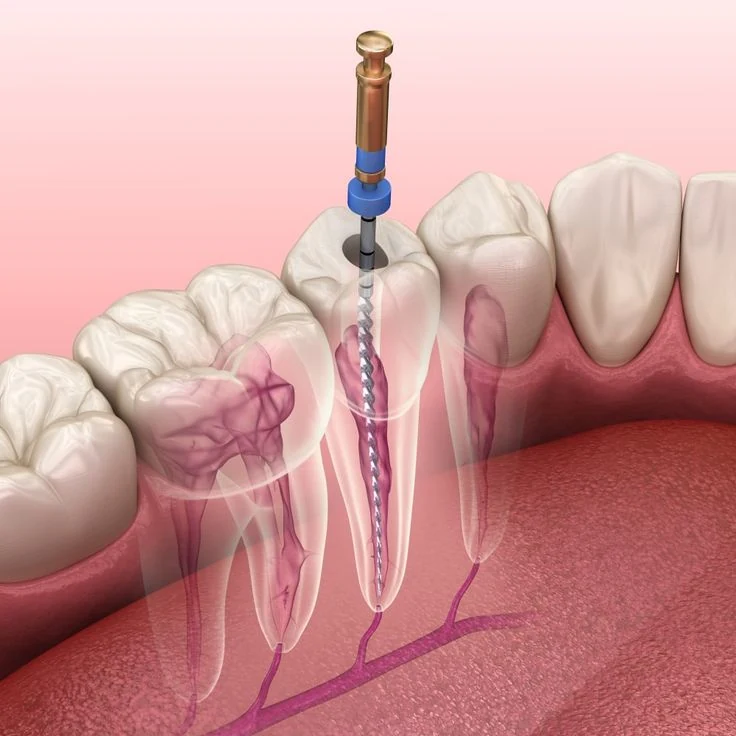
What to Know After Root Canal Treatment
After root canal treatment, you should wait until the numbness wears off before eating, avoid chewing on a tooth that has not been fully restored, maintain good oral hygiene, take medications as directed, and attend scheduled follow-up appointments. Most importantly, do not delay a filling or final tooth restoration simply because the pain has disappeared.
During the first few days, the treated tooth may feel slightly sore or sensitive when biting. Although the pulp inside the tooth has been treated, the tissues surrounding the tooth root still need time to recover. This discomfort usually decreases gradually.
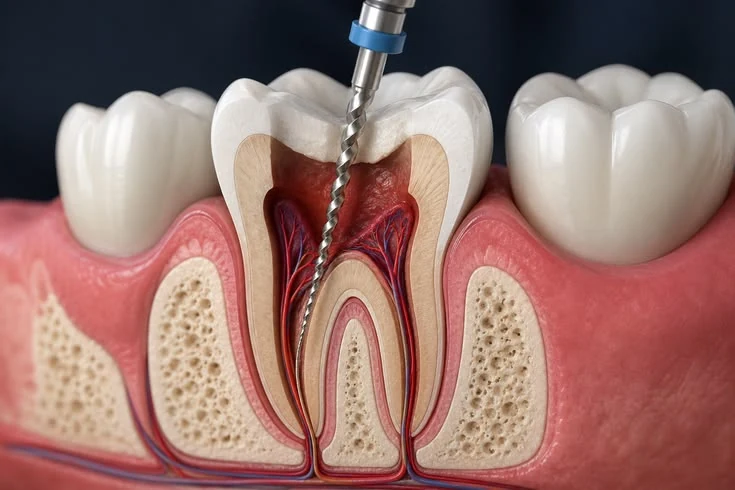
Is Mild Pain Normal After Root Canal Treatment?
Pay attention to how your symptoms change rather than simply counting the days. Mild pain that gradually improves is different from pain that becomes worse, is severe, or returns after a period without symptoms.
If the pain is severe, lasts more than a few days, or does not improve, contact your dentist for an evaluation.
While your lips, cheeks, or tongue are still numb, you may accidentally bite your soft tissues or have difficulty sensing food temperature.
Only eat once normal sensation has returned, and follow any specific instructions regarding the setting time of your filling material.
If your tooth is still sensitive, consider foods such as:
Porridge, warm soup, and soft rice.
Eggs, tofu, and tender fish.
Well-cooked vegetables.
Foods cut into small pieces to reduce biting pressure.
If the tooth has a temporary filling or has not been fully restored, chew on the opposite side.
Avoid using the treated tooth to bite ice, bones, hard nuts, hard candy, or to pull apart tough or sticky foods.
You do not need to remain on a liquid diet for an extended period. Returning to normal chewing depends on the condition of the tooth and your dentist’s recommendations.
A root canal-treated tooth still requires regular oral hygiene, just like your other teeth.
Brush twice daily with fluoride toothpaste.
Clean between your teeth every day using dental floss or another suitable interdental cleaning tool.
Be gentle around the recently treated area and avoid disturbing temporary fillings.
Maintain regular dental checkups and professional cleanings.
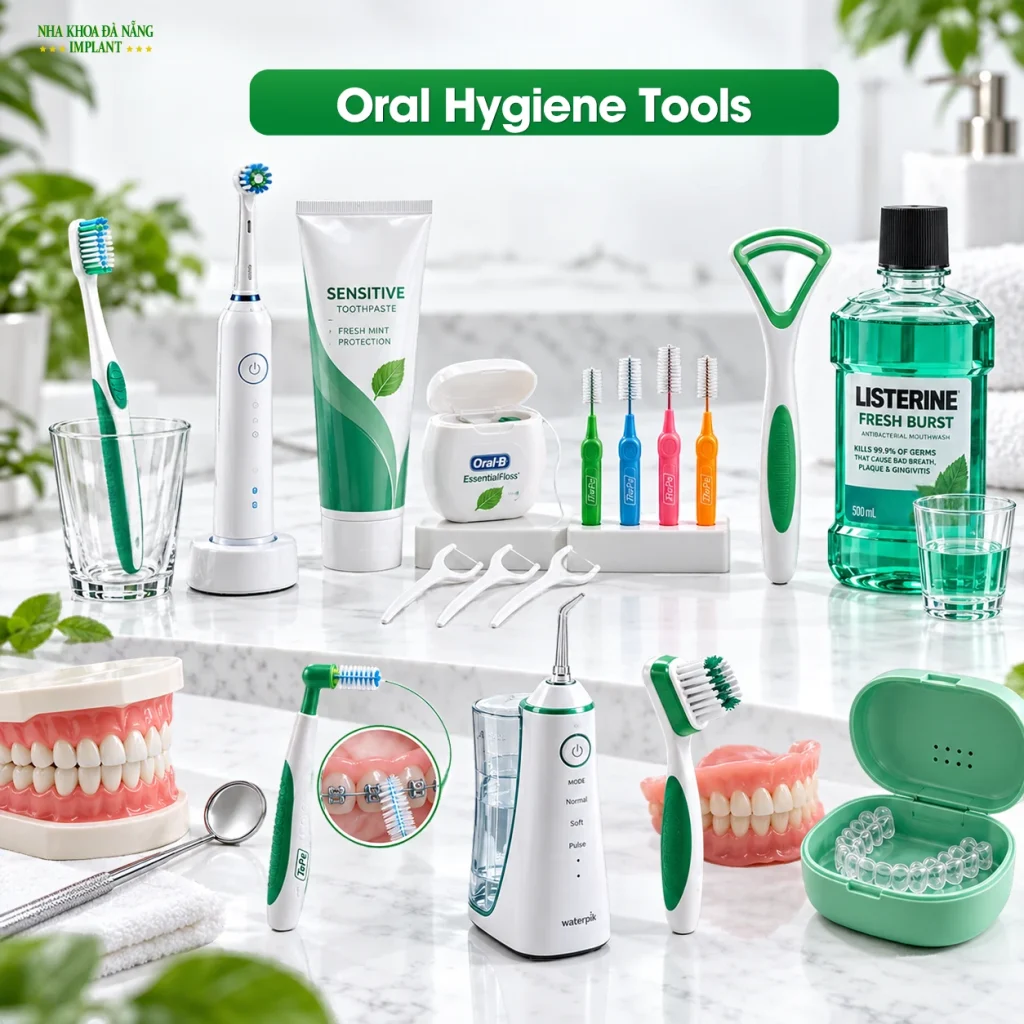
Oral Hygiene Tools
Do not stop brushing because you are worried about affecting the treated area.
If you find it difficult to clean around a temporary filling or crown, ask your dentist to demonstrate the appropriate technique.
If pain relief is necessary, your dentist may recommend medication appropriate for your medical condition.
Do not increase the dosage or combine multiple pain relievers without checking their active ingredients.
Not everyone needs antibiotics after root canal treatment. Antibiotics may be prescribed when an infection is spreading or when systemic symptoms are present. You should not take antibiotics on your own simply because the tooth is still painful.
If medication has been prescribed, take it exactly as directed and contact your dentist if you experience any adverse effects.
Not every root canal-treated tooth requires the same type of restoration.
Your dentist will consider the amount of remaining tooth structure, the tooth’s position, and its ability to withstand chewing forces before recommending a filling or dental crown.
It is important to distinguish between root canal filling and restoration of the tooth’s crown structure.
Even after the root canals have been treated and sealed, the tooth may still have a temporary filling and may not be ready to withstand normal chewing forces.
Complete the final restoration according to your dentist’s recommended schedule.
Delaying restoration or leaving a loose or poorly sealed filling or crown may allow bacteria to re-enter the tooth. A tooth that has not been adequately protected may also be more vulnerable to fractures.
Your follow-up schedule will depend on the tooth’s initial condition, your symptoms, and the progress of healing.
The following table provides general guidance and does not replace your personalized appointment schedule.
| Time | Purpose |
|---|---|
| As scheduled between appointments, if root canal treatment is not yet complete | Continue treatment and check the temporary filling. |
| Shortly after completing root canal treatment, as recommended | Restore the tooth, check the bite, and assess chewing function. |
| Approximately 6–12 months after treatment | Evaluate healing progress; your dentist may recommend follow-up X-rays. |
| Subsequent follow-up visits | Check the integrity of the restoration, look for new decay, and assess the tissues around the tooth root. Continue monitoring if necessary. |
| Whenever unusual symptoms occur | Seek an early dental evaluation rather than waiting for your routine appointment. |
The 6–12-month interval refers to an assessment of healing, not a waiting period before restoring the tooth.
For teeth with periapical lesions, radiographic healing may take longer and require monitoring over several follow-up visits.
Not every follow-up appointment requires an X-ray. Your dentist will determine whether imaging is necessary based on clinical findings.
Contact your dental clinic if you experience any of the following:
Severe pain, worsening pain, or persistent pressure.
Swelling inside the mouth or on the face.
An uneven bite or a feeling that the treated tooth touches before the other teeth.
A temporary filling or temporary crown that becomes loose or falls out.
Symptoms that were present before treatment returning.
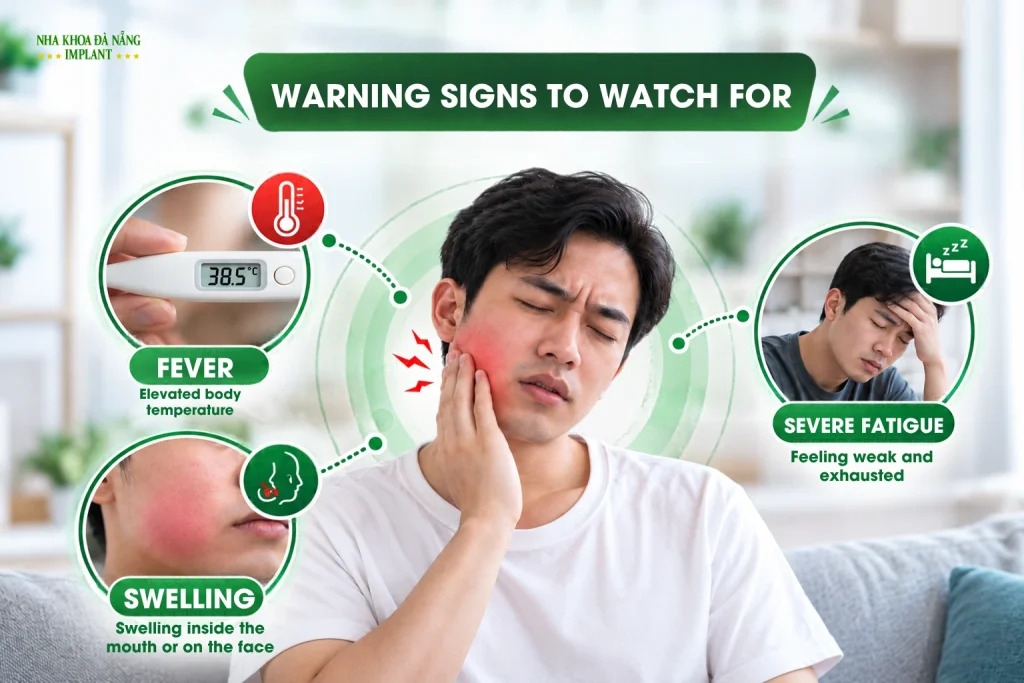
WARNING SIGNS TO WATCH FOR
If swelling is accompanied by fever or significant fatigue, seek prompt medical or dental evaluation.
Difficulty breathing, difficulty swallowing, or swelling spreading toward the neck requires immediate emergency medical attention.
Yes. Feeling comfortable does not necessarily mean that all the tissues surrounding the tooth root have fully healed.
Follow-up appointments allow your dentist to assess the treated tooth and monitor healing when necessary.
Yes. New cavities or a poorly sealed restoration can create pathways for bacteria to enter the tooth.
Root canal treatment does not replace daily brushing, interdental cleaning, or routine dental examinations.
There is no fixed timeline that applies to everyone.
You should wait until the numbness has worn off and protect any tooth with a temporary filling.
Only gradually increase chewing pressure on the treated tooth once it has been appropriately restored and your dentist confirms that it is safe to do so.
Proper eating habits, consistent oral hygiene, timely tooth restoration, and long-term monitoring are essential for preserving your tooth after root canal treatment.
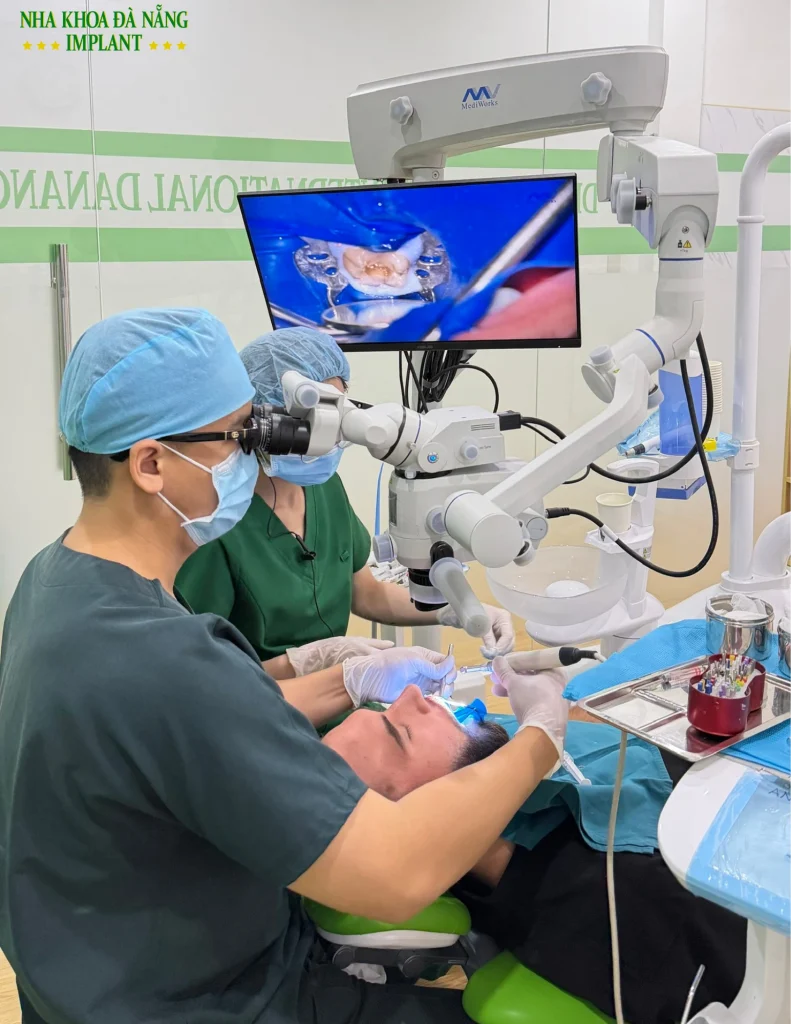
Root Canal Treatment at Da Nang Implant Dental Clinic
Don’t wait until the pain returns before having your tooth checked.
If you have questions about aftercare or when to schedule your next appointment, contact Da Nang Implant Dental Clinic to arrange an examination and discuss your tooth’s condition with our dental team.
This article provides general guidance. Always prioritize the instructions given by your treating dentist.
——-
DA NANG IMPLANT DENTAL CLINIC
Address: 420 2/9 Street, Hoa Cuong Ward, Da Nang City, Vietnam
Hotline: (+84) 899 412 412
Email: cskh@nhakhoaimplantdanang.com

Ngày: 14/10/2026

Ngày: 08/05/2026
Ngày: 30/09/2026
Ngày: 05/10/2026
Ngày: 16/10/2026