
When advised to undergo microscope-assisted root canal treatment, many patients wonder: How is this technique different, does it hurt less, and is it really necessary for my tooth?
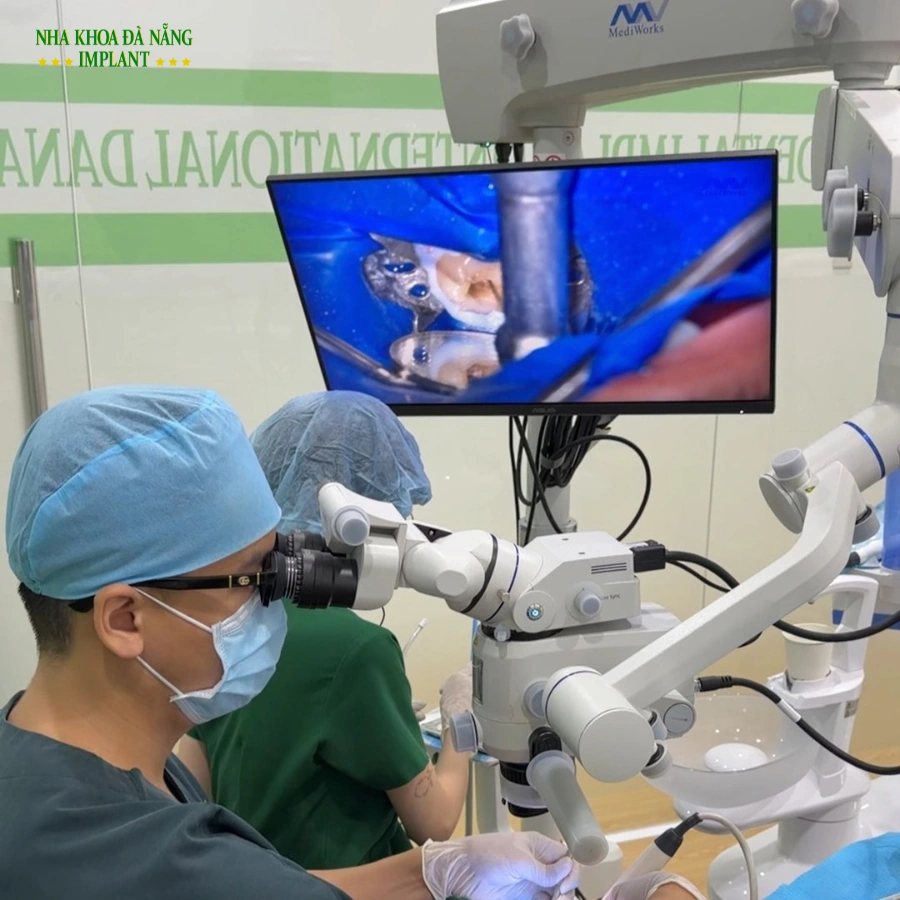
The key difference of microscope-assisted root canal treatment lies in its magnification and focused illumination, which allow the dentist to observe tiny details that may be difficult to identify with the naked eye.
If you are considering microscope-assisted root canal treatment in Da Nang, the information below can help you better understand the procedure and communicate more clearly with your dentist before making a decision.
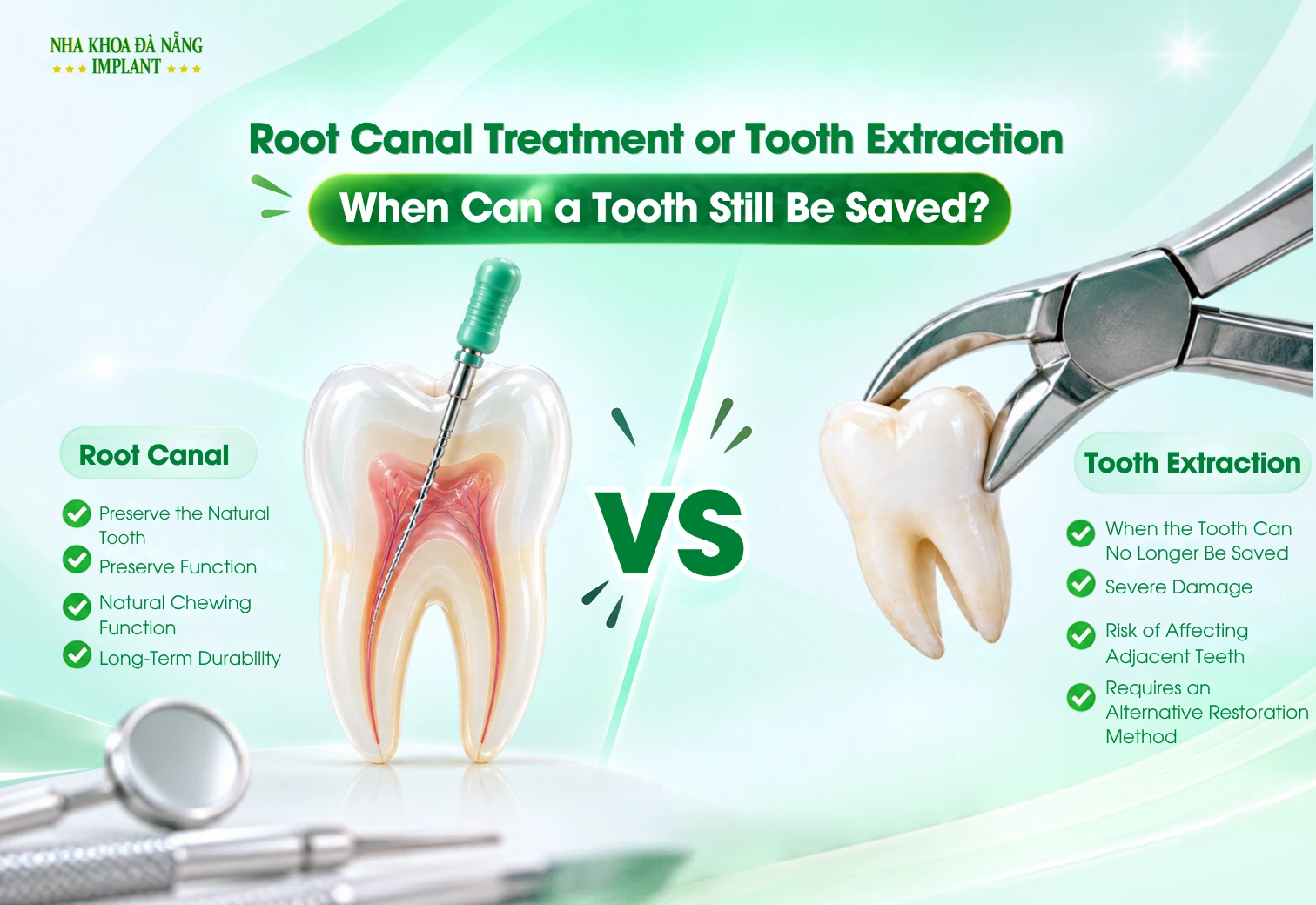
Root canal treatment is a procedure used to remove inflamed or infected pulp tissue when clinically indicated, followed by cleaning, shaping, and filling the root canal system. The tooth then needs to be appropriately restored so that it can continue to function during chewing.
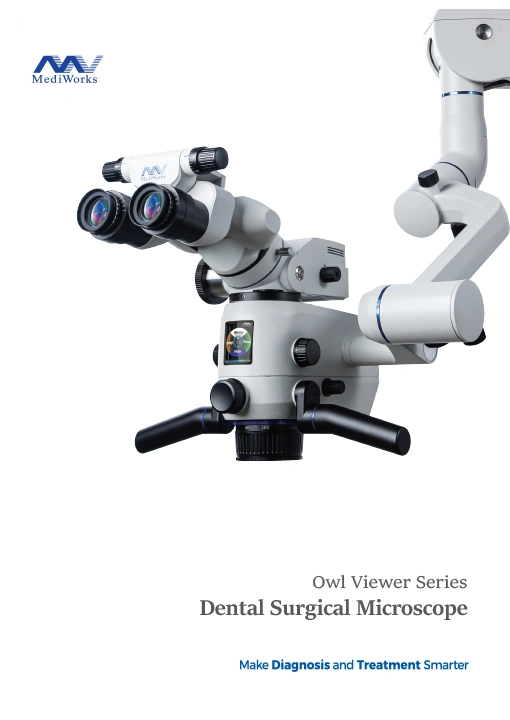
MediWorks SM625D Dental Microscope
With microscope-assisted treatment, the dentist uses a magnification device combined with focused illumination during examination and treatment. The microscope can help identify details such as small canal openings or structures that are difficult to visualize directly.
The microscope itself does not clean or disinfect the root canals. Treatment still requires appropriate endodontic instruments, irrigating solutions, and clinical techniques.
In this article, “conventional treatment” refers to root canal treatment performed without a dental operating microscope. The dentist may work with direct vision or use magnifying loupes.
| Criteria | Without a Microscope | With a Microscope |
|---|---|---|
| Visualization | Depends on direct vision and magnifying loupes, if used | Provides magnified images with focused illumination of the treatment area |
| Small details | Narrow or hidden canal openings may be more difficult to identify | Helps identify small or difficult-to-see structures |
| Procedure control | Relies on visualization, tactile feedback, and clinical experience | Provides additional direct visual control in accessible areas |
| Complex cases | May require referral to a clinician with appropriate expertise or equipment | Particularly useful for locating canals, managing calcified canals, or retreatment |
| Treatment goal | Control infection and preserve the tooth when it remains restorable | Same goal, with enhanced visual support |
The difference in visualization equipment does not mean that every root canal treatment performed without a microscope is less effective. The dentist should assess the complexity of each case and select the most appropriate approach.
The internal anatomy of a tooth can be complex. A dental microscope can help the dentist identify canal openings that may otherwise be difficult to see, supporting more complete access to the root canal system. This can be especially beneficial in teeth with unusual or complex anatomy.
Improved visualization can help the dentist guide treatment more precisely and avoid removing unnecessary tooth structure.
However, the access opening still needs to be sufficient to safely clean and treat the root canal system. The goal should not simply be to create the smallest possible access cavity.
A microscope can be particularly useful in cases involving calcified or narrowed canals, removal of previous root canal filling materials, or assessment of certain endodontic complications.
The success of treatment still depends on the location of the problem, accessibility, and the dentist’s clinical experience.
A dental microscope also cannot “see through” tooth structure. Clinical examination and diagnostic imaging continue to play their own important roles.
You may wish to ask your dentist about the use of a dental microscope when:
Not every case requires the same level of microscopic support. The possibility of preserving the tooth should be assessed comprehensively rather than based solely on whether a dental clinic has a microscope.
A typical treatment plan may include:
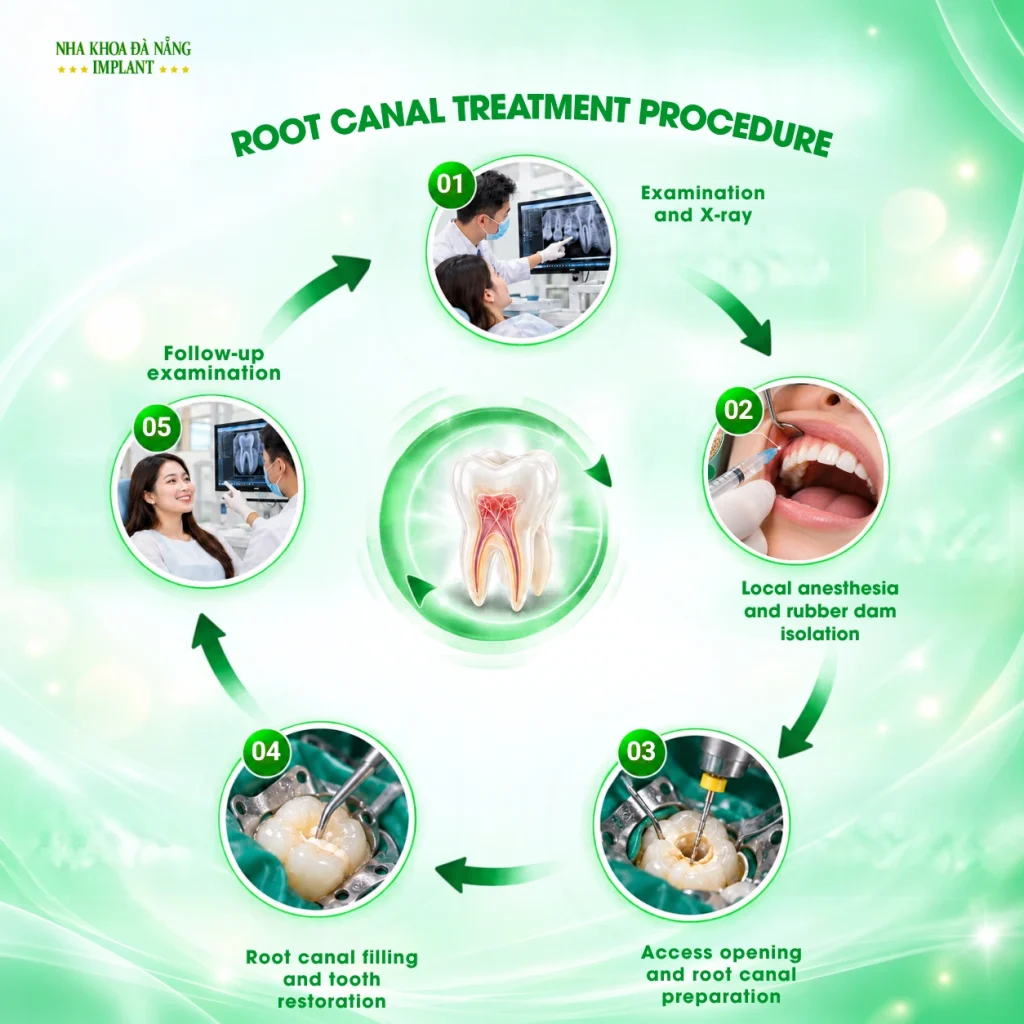
What Are the Typical Steps of Root Canal Treatment
This is a general reference process. The number of appointments and specific treatment steps may vary depending on the individual clinical situation.
A dental microscope should not be considered a technology that guarantees “painless” treatment. Pain control mainly depends on local anesthesia, the level of inflammation, and how the procedure is performed.
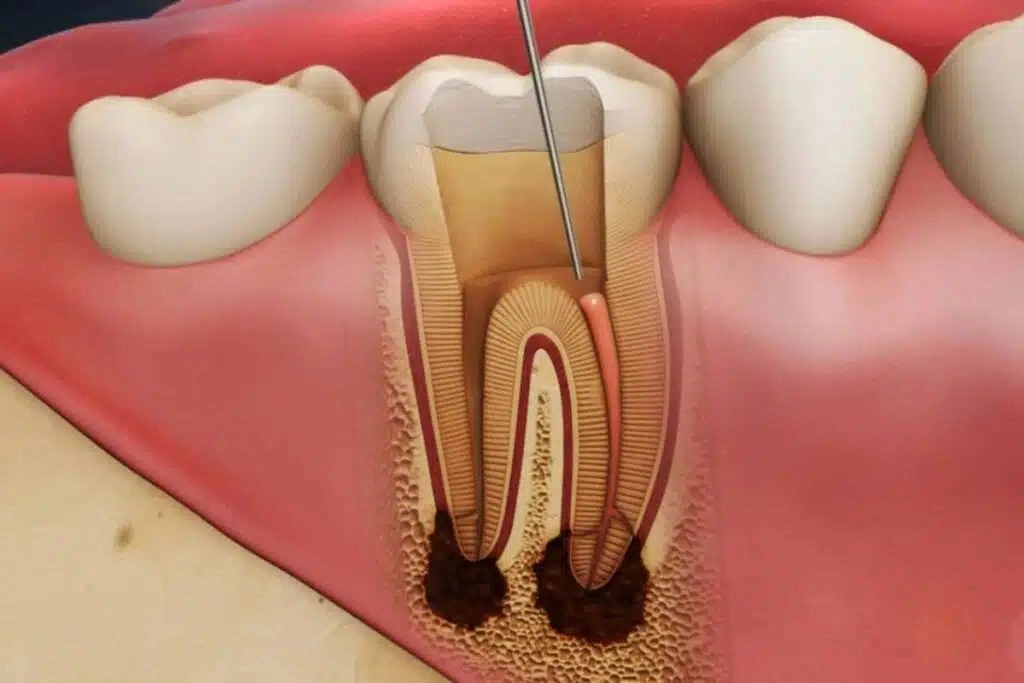
Supporting Complex Cases and Root Canal Retreatment
With appropriate anesthesia, most patients can undergo root canal treatment relatively comfortably. If you experience pain during the procedure, let your dentist know immediately so that the situation can be assessed and the anesthesia adjusted if necessary.
After treatment, the tooth may feel tender or sensitive for a few days. If the pain becomes more severe, swelling develops, or symptoms do not improve, you should contact the dental clinic for further evaluation.
To make a meaningful cost comparison, it is best to request a quotation based on the condition of your tooth and the full scope of treatment.
Useful questions to ask include:
Instead of asking only, “How much does root canal treatment cost?”, ask your dentist to explain the complete treatment and restoration plan for the tooth.
Da Nang Implant Dental Clinic has introduced the use of the MediWorks SM625D dental microscope in endodontic treatment, with the aim of supporting detailed visualization and preserving natural teeth whenever clinically appropriate.
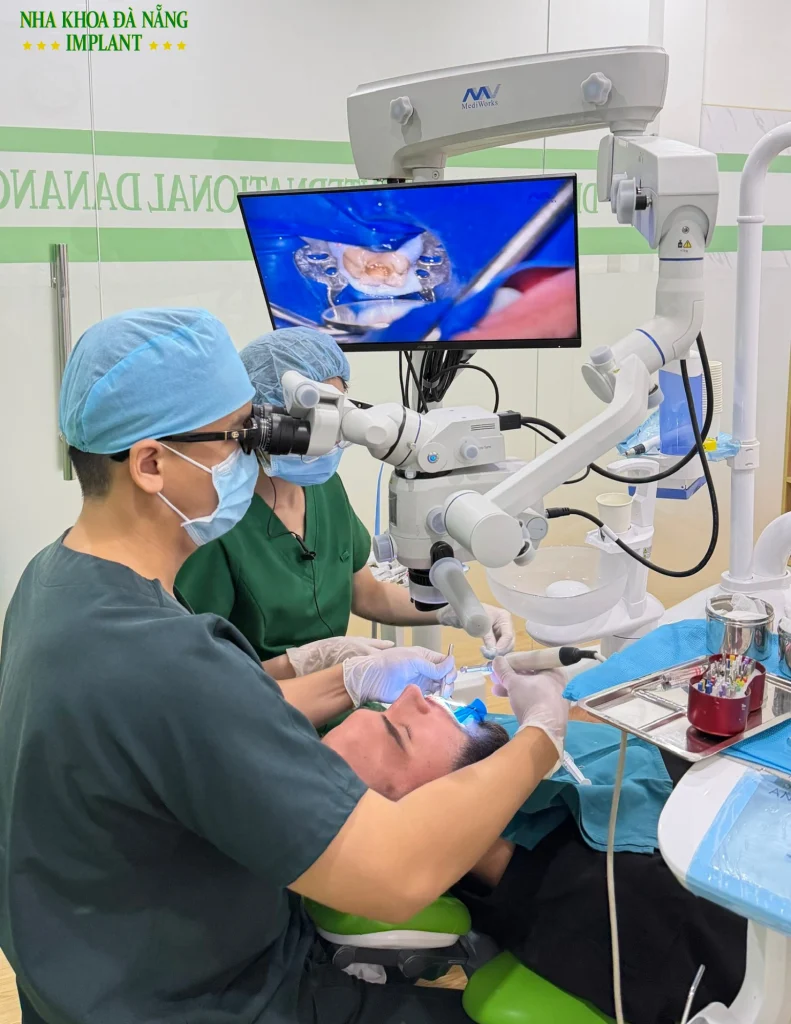
Microscope-Assisted Root Canal Treatment at Da Nang Implant Dental Clinic
During your examination, you should discuss the possibility of preserving the tooth, the complexity of the root canal system, and the specific role of the microscope in your case.
A clear treatment plan should explain not only the potential benefits, but also the limitations of the technique and the restorative steps required after root canal treatment.
If you are looking for microscope-assisted root canal treatment in Da Nang, contact Da Nang Implant Dental Clinic through nhakhoadanangimplant.com to schedule an examination and receive advice based on your actual dental condition.

Ngày: 19/04/2025

Ngày: 26/10/2023
Ngày: 30/09/2026
Ngày: 22/09/2026

Ngày: 15/09/2026

Ngày: 12/09/2026