
Are you looking to improve the color of your teeth, restore a chipped tooth, or feel more confident every time you smile? When considering dental restorations, many people start by asking, “Which ceramic material should I choose?” or “How much will it cost?” However, finding the right treatment plan involves much more than selecting a material or comparing prices.
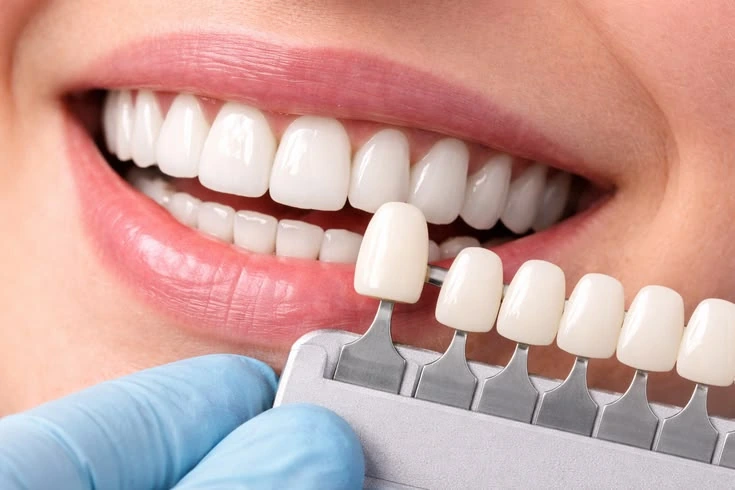
Dental Restorations
Before getting dental crowns or veneers, you should discuss your current oral health, aesthetic goals, treatment options, the extent of tooth preparation, tooth shape and color, chewing function, costs, and long-term care with your dentist. Understanding these factors will help you make a well-informed decision.
Here are 8 important topics to discuss during your dental consultation.
The first step is understanding why your dentist recommends a particular restoration for each tooth.
A severely damaged tooth or one weakened by decay requires a different approach from a healthy tooth whose color you simply want to improve. Dental crowns can restore the shape and function of damaged teeth, but not every dental concern requires a crown.
Questions you can ask your dentist:
Be sure to inform your dentist if you experience toothache, sensitivity, bleeding gums, previous dental injuries, or have undergone root canal treatment.
You should also share information about any medical conditions, medications you are taking, and known allergies so your dentist can consider these factors when planning your treatment.
The term “dental restorations” covers several treatment options, so it is important to understand exactly which procedure your dentist recommends.
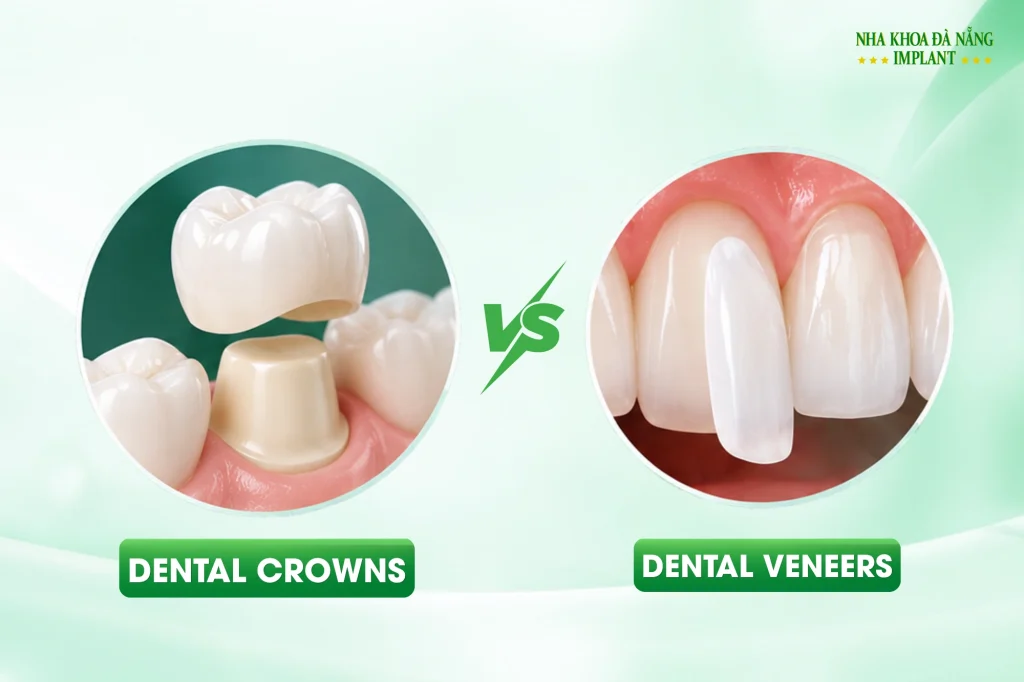
Dental Crowns and Porcelain Veneers
Dental crowns cover the prepared visible portion of a tooth, helping restore its shape, strength, and function.
Porcelain veneers primarily cover the front surface of teeth and generally involve a different degree of tooth preparation compared with crowns.
The most suitable option depends on your dental condition and treatment goals, not just your aesthetic preferences.
Depending on your situation, you may also want to ask whether teeth whitening, cosmetic bonding, or orthodontic treatment could address your concerns.
For example, if your main goal is to improve tooth color, ask whether professional teeth whitening might be appropriate before considering ceramic restorations.
If your teeth are misaligned, discuss whether an orthodontic assessment would be more suitable rather than assuming veneers or crowns can correct every alignment issue.
An important question to ask is:
“Why is this treatment more suitable for my teeth than the available alternatives?”
This is one of the most important topics to understand before agreeing to treatment.
Preparing teeth for crowns or veneers may involve removing some natural tooth structure. Once removed, this tooth structure cannot grow back. When veneer treatment requires enamel removal, the procedure is considered irreversible.
You should ask your dentist:
It is also important to understand that getting dental crowns does not automatically mean you need root canal treatment.
However, certain teeth may require root canal treatment before or after restoration, depending on their condition and clinical development.
Your dentist should explain these possible risks rather than guarantee that the tooth will never experience pulp-related problems.
A suitable treatment plan should begin with your personal goals and expectations.
Instead of simply saying, “I want a more beautiful smile,” try to explain what you would like to improve.
For example:
You can bring reference photos of smiles you like to help communicate your preferences.
However, these photos should serve as a guide for discussing your desired style rather than an expectation that the results can be reproduced exactly.
You can also ask whether a digital smile design or a trial restoration is available for your particular case.
If digital simulations are provided, remember that they are tools to support communication and planning, not guarantees of identical final results.
The number of teeth included in your treatment plan should have a clear clinical reason.
You do not necessarily need to restore multiple teeth to achieve a balanced, harmonious smile.
Ask your dentist to explain:
Selecting a restorative material requires consideration of tooth position, biting forces, remaining natural tooth structure, and aesthetic expectations.
Different restoration designs may also require different levels of tooth preparation.
Instead of simply asking, “Which material is the best?”, consider asking:
“Based on my dental condition and budget, why is this material a suitable choice for me?”
Do not overlook your everyday habits when discussing dental crowns or veneers.
Tell your dentist if you frequently clench your teeth, grind them during sleep, bite your nails, or regularly chew hard foods.

Habits That Damage Your Teeth
Teeth grinding, also known as bruxism, and certain bite relationships may affect whether veneers are appropriate for you.
This is why evaluating your bite and oral function is essential before finalizing an aesthetic treatment plan.
Questions worth discussing include:
During the try-in stage, describe your sensations honestly rather than focusing only on whether your new teeth look white and even.
Your dental treatment plan should fit both your oral health needs and your personal schedule.
Let your dentist know if you have an upcoming business trip, an important event, or are visiting Da Nang for a limited period.
You should clarify the expected number of appointments, treatment stages, whether temporary restorations are needed, and how much time will be available for adjustments before completion.
When discussing costs, ask for a detailed treatment plan that clearly explains the following:
| Items to Confirm | Questions to Ask |
|---|---|
| Main restorations | How many teeth will be treated, what type of restorations will be used, and what is the cost per tooth? |
| Dental examination and diagnostic tests | Which services are included in the quoted price? |
| Preparatory treatments | If other dental problems need treatment first, how will these costs be calculated? |
| Temporary restorations and adjustments | Are these included in the treatment package? |
| Follow-up care and warranty | What is covered, what conditions apply, and what are the exclusions? |
| Additional expenses | Under what circumstances might extra costs arise, and how will I be informed? |
A clear treatment plan should help you understand the recommended procedures, expected benefits, possible risks, and costs before treatment begins.
Before starting treatment, you should also understand how to maintain your restorations over the long term.
Ask your dentist about proper brushing techniques, cleaning between teeth, habits you may need to change, and an appropriate follow-up schedule.
How Should I Care for My Dental Restorations After Treatment?
Brushing with fluoride toothpaste, cleaning between your teeth, and attending regular dental check-ups help protect both your restorations and your natural teeth.
You should also agree on how to contact your dental clinic if you experience persistent pain, an uncomfortable bite, or any unusual changes in your restorations.
Dental crowns and veneers are not treatments that require no further attention once completed.
Restorations may eventually need repair or replacement. It is also important to understand that a warranty period does not guarantee the same lifespan for every restoration.
Before getting dental crowns or veneers, it is worth taking time to consider more than treatment prices or before-and-after photos.
What matters is understanding why you may need treatment, how much of your natural tooth structure will be affected, and how to care for your restorations afterward.
A suitable treatment plan should balance your aesthetic expectations, oral health, chewing function, and financial considerations.
If you are considering dental crowns or veneers in Da Nang, you can schedule a consultation at Da Nang Implant Dental Clinic.
Bring your questions and expectations so you can discuss each available option with your dentist before making a decision.
Disclaimer: This article is for informational purposes only. Individual treatment plans must be based on a direct clinical examination and professional assessment by a dentist.
DA NANG IMPLANT DENTAL CLINIC
Address: 420 2/9 Street, Hoa Cuong Ward, Da Nang City, Vietnam
Hotline: (+84) 899 412 412

Ngày: 16/01/2026
Ngày: 09/09/2026

Ngày: 21/01/2026
Ngày: 27/08/2026