
Even a single tooth that is chipped, discolored, or noticeably different in shape can make you feel self-conscious about smiling. However, when considering a dental crown, many people wonder: “Will a single crown look obvious? Will the new tooth be whiter than the surrounding teeth?”
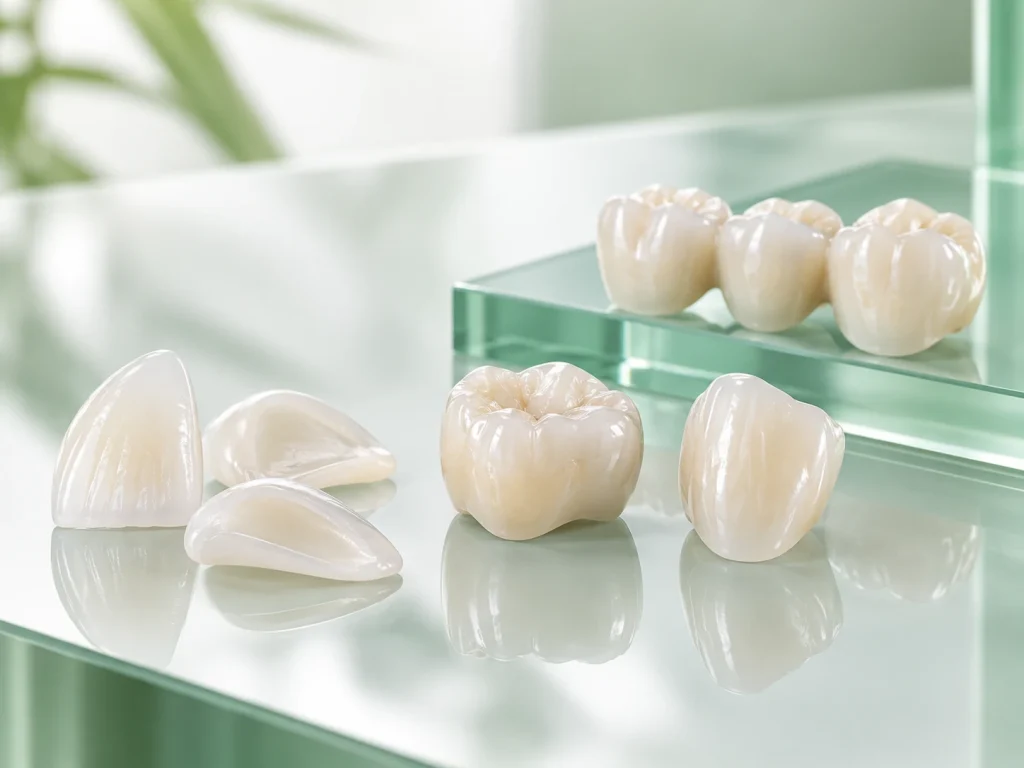
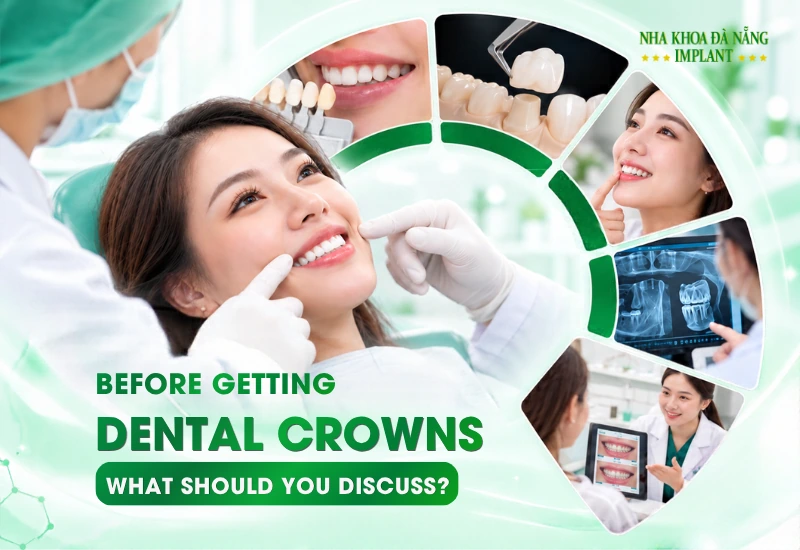
Dental Crown Image
A single-tooth dental crown can achieve a natural appearance when the treatment is appropriately indicated, the shade is carefully selected, and the crown is designed to match the characteristics of the surrounding teeth. The final result depends not only on the color of the ceramic material but also on its translucency, shape, gum contours, and bite alignment.
Join Da Nang Implant Dental Clinic as we explore the important factors to discuss with your dentist before restoring a single tooth.
Yes. If a tooth can still be preserved but requires restoration with a dental crown, the dentist can treat that tooth individually. A dental crown is used to restore the shape and function of a damaged tooth, such as one that is fractured or has a large filling with insufficient remaining tooth structure for support.
However, not every chipped or discolored tooth requires a crown. Depending on the extent of the damage and the condition of the tooth, your dentist may consider composite bonding, partial restorations, porcelain veneers, or other suitable treatments. Placing a dental crown typically requires preparing the natural tooth structure, so the decision should be based on the actual clinical benefits.
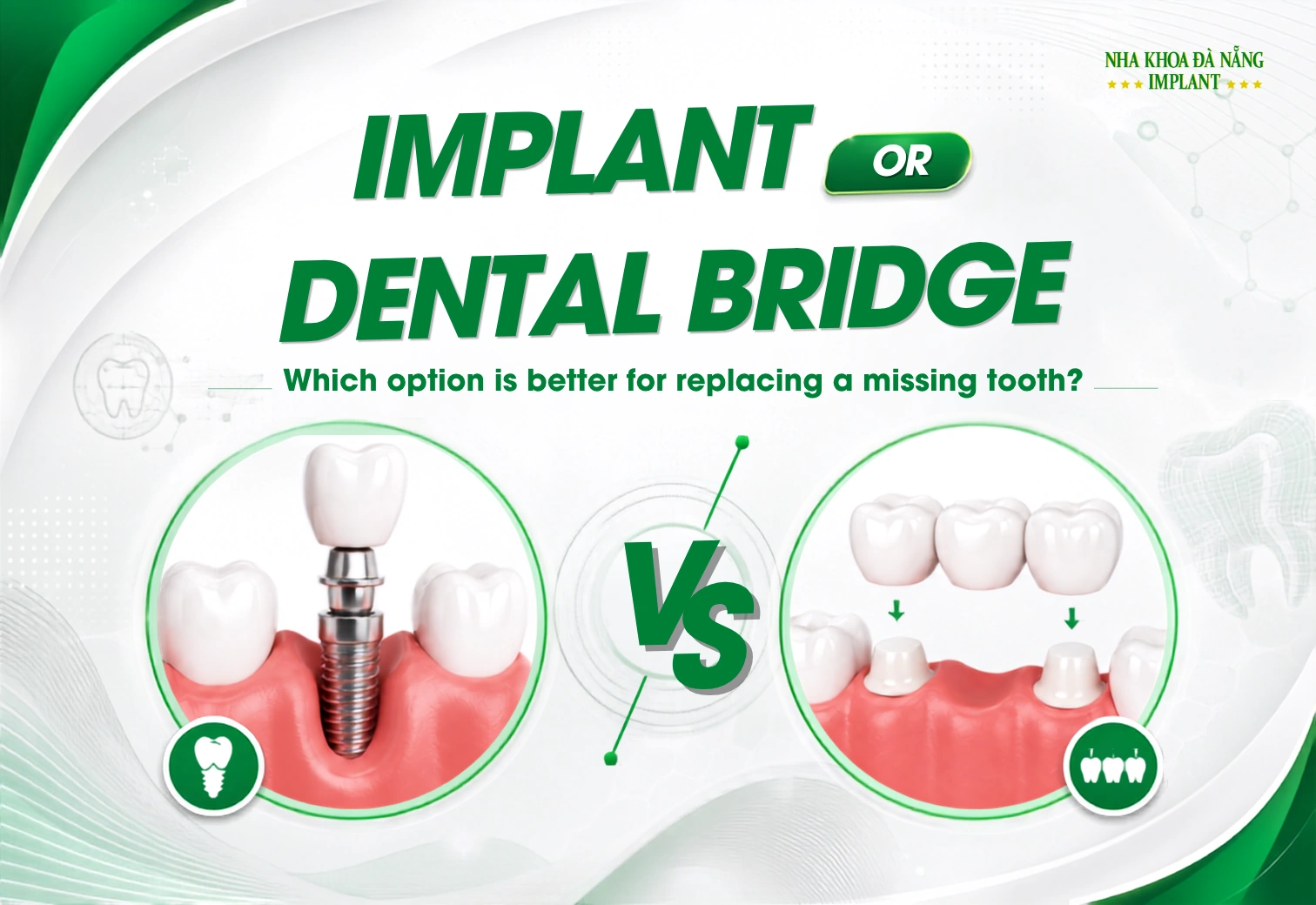
It is also important to distinguish between placing a crown on a natural tooth that can still be preserved and replacing a completely missing tooth. If a tooth is missing, the dentist must evaluate replacement options such as a dental implant or bridge. A crown alone cannot simply be placed into an empty space.
When restoring just one front tooth, the adjacent natural teeth become direct points of comparison. Even a slight difference in brightness, length, or surface gloss can make the new crown stand out when you smile.
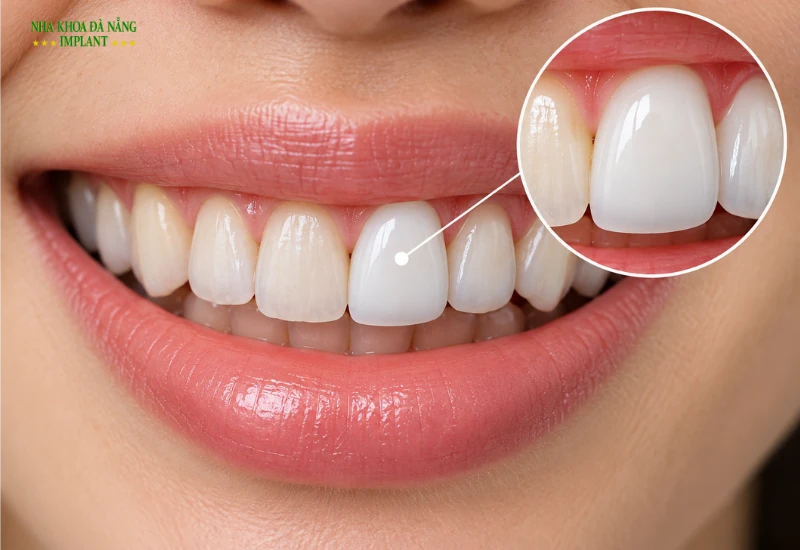
Why a Single Dental Crown Can Be Noticeable
Natural teeth do not have a uniform color from the gumline to the biting edge. The area near the gums, the middle portion, and the incisal edge may vary in shade, translucency, and the way they reflect light. Therefore, selecting the same shade from a dental shade guide is not always enough to ensure that two teeth look alike.
The goal of a single-tooth restoration is to create a crown that blends naturally with your existing smile rather than choosing the whitest possible tooth.
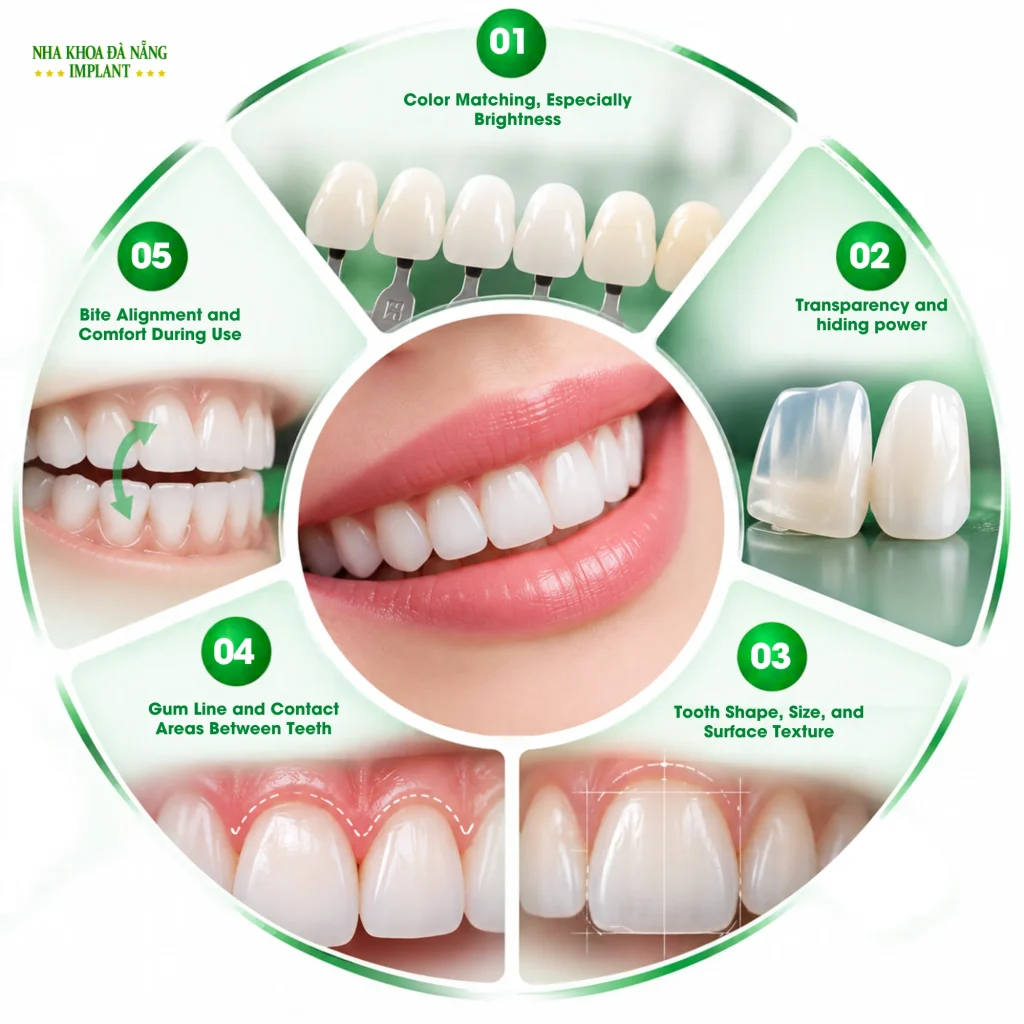
Five Factors That Help a Dental Crown Blend Naturally With Your Teeth
When selecting the shade of a dental crown, the dentist needs to consider several characteristics: how bright the tooth is, its underlying color tone, and the intensity of that color. A crown may have a similar overall shade but still look noticeably different if it is significantly brighter.
You should clearly communicate your expectations, for example: “I want my new tooth to look as close as possible to the one next to it, even if it is not extremely white.” This information helps the dentist and dental technician agree on the desired result.
Shade matching should be performed directly in the mouth under appropriate lighting conditions. Photographs can support communication, but smartphone images with filters or brightness adjustments should not be the sole basis for selecting a shade.
Two crowns with the same shade designation may appear different when placed over different underlying tooth structures. A darkened tooth, the material used to rebuild the tooth core, and the optical properties of the ceramic can all influence the final visible color.
A laboratory study of lithium disilicate crowns found that the underlying tooth shade, ceramic thickness, translucency, and luting cement shade all affected the final color. This helps explain why selecting a dental crown shade requires evaluating the underlying tooth structure, not just the ceramic sample.
For teeth with dark underlying shades, the dentist must balance the ability to mask discoloration with achieving a natural appearance. Greater translucency does not necessarily mean a better result in every case.
Even when the color is correct, a dental crown may still look unnatural if it is too long, too wide, or excessively bulky.
This is particularly important when restoring a single front tooth. The dentist needs to consider its proportions in relation to the corresponding tooth on the opposite side, the adjacent teeth, and the overall smile line. Small details such as tooth corners, the curvature of the incisal edge, surface gloss, and natural texture also contribute to a realistic appearance.
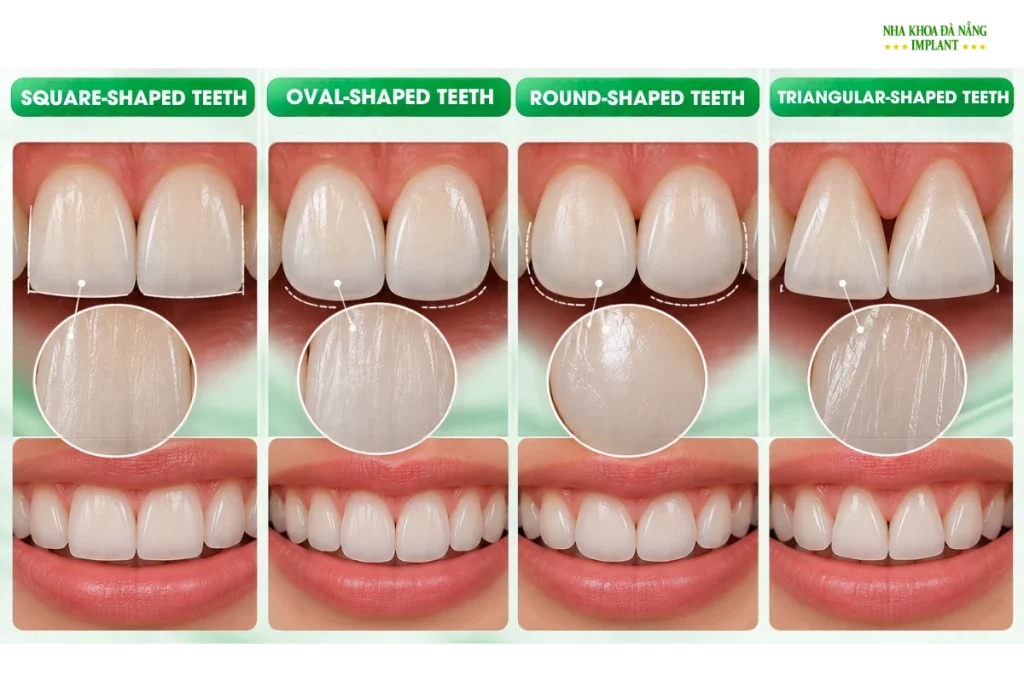
Tooth Shape, Size, and Surface Texture
For example, if your natural teeth have softly rounded corners and a slightly textured surface, a crown that is too square or overly smooth may look different, even when its color is relatively close.
A natural-looking restoration also depends on how the crown meets the gums. The crown should have an appropriate contour, a properly finished margin, and carefully evaluated contact areas with neighboring teeth.
If the gums are inflamed, swollen, or prone to bleeding, the dentist should assess and manage these conditions before completing the restoration. Gum recession or loss of the gum tissue between teeth can also affect the aesthetic result, and changing the crown’s shape alone may not always resolve these issues.
The goal is to achieve a harmonious appearance while allowing effective oral hygiene and maintaining healthy tissues around the tooth.
A dental crown should fit comfortably when biting, chewing, and moving the jaw. Even if a crown looks attractive, it still needs to be checked if it feels too high or makes contact before the other teeth.
During the try-in appointment, inform your dentist if you experience discomfort, an uneven bite, or feel that the crown’s shape is not quite right. If you have a habit of grinding your teeth, mention this from the beginning so the dentist can consider it when designing the restoration and recommending protective measures.
There is no single ceramic material that is best for everyone. Your dentist needs to consider the tooth’s position, underlying color, remaining tooth structure, available space for the restoration, and biting forces.
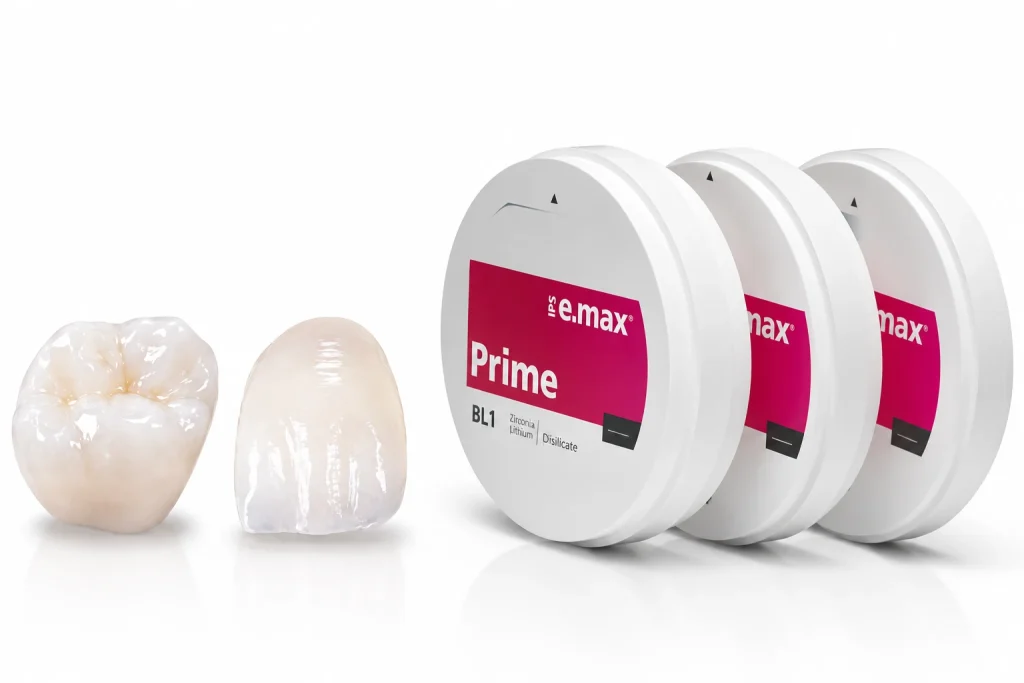
E.max Dental Crown
Materials such as lithium disilicate and zirconia have different properties and manufacturing techniques. The name of the material alone cannot determine how natural the final crown will look. Its design, fabrication, shade customization, and try-in process are equally important.
Instead of simply asking, “Which material looks the best?”, you can ask:
Is this material suitable for the underlying color of my tooth?
Why do you recommend this material for the tooth being restored?
How closely can the color and shape of the neighboring teeth be reproduced?
If the crown does not blend naturally during the try-in, what adjustments can be made?
Examination and treatment planning: The dentist evaluates the remaining tooth structure, gums, bite alignment, and pulp condition when necessary. Based on these findings, the most appropriate restorative treatment is selected.
Recording tooth shade and shape: The dentist compares the adjacent teeth, the corresponding tooth on the opposite side, and the overall smile. This information is then shared with the dental technician for crown fabrication.
Tooth preparation and impressions or digital scanning: If a dental crown is indicated, the dentist prepares the tooth, records the necessary information, and provides a temporary restoration if needed.
Crown try-in before final cementation: The dentist checks the color, shape, marginal fit, contact points, and bite alignment. This is an important opportunity for you to discuss any concerns about the appearance or comfort of the crown.
Final cementation and follow-up: Once the restoration is completed, you will receive instructions on oral hygiene and follow-up appointments appropriate for your dental condition.
The number of appointments may vary if additional treatment is required before crown placement or if adjustments to the shade or shape are necessary. The try-in stage should not be skipped simply to complete the treatment more quickly.
Not necessarily. If the neighboring teeth are healthy, placing additional crowns solely to make shade matching easier should be carefully considered, as this may require removing healthy tooth structure.
When only one tooth needs restoration, the initial goal should be to make that tooth blend naturally with the surrounding teeth. If you wish to change the overall color or shape of your smile, that is a separate treatment goal requiring individual consultation about the available options, degree of intervention, and expected limitations.
How closely a crown can resemble a natural tooth varies from case to case. Promises of a “perfect match under all lighting conditions” should not be treated as a reliable criterion when choosing treatment.
Teeth whitening agents work on natural teeth but do not whiten dental crowns in the same way. Therefore, whitening your teeth after having a crown placed may change the color of your natural teeth and create a visible shade difference between them and the restoration.
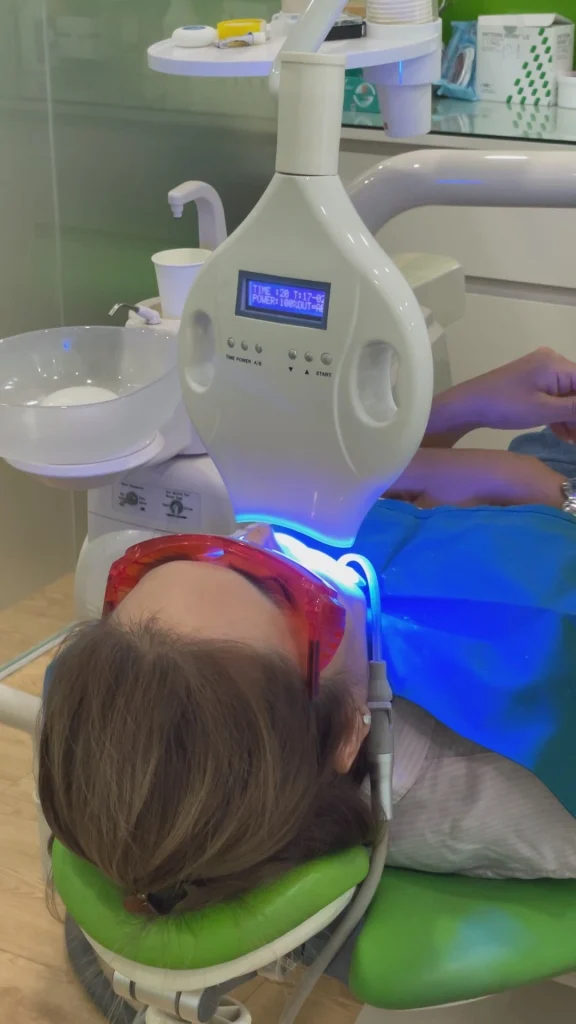
Teeth Whitening at Da Nang Implant Dental Clinic
If you are considering teeth whitening, inform your dentist before finalizing the crown shade. The dentist will assess whether whitening is appropriate and plan the treatment sequence, including when to select the crown shade after whitening.
You should not attempt to whiten your teeth on your own to correct a mismatched crown. First, it is important to determine whether the color difference comes from the restoration itself, the surrounding natural teeth, or surface stains.
Yes. A single front tooth crown can look natural when the treatment, material, shade, and shape are appropriately selected. However, differences are more noticeable in this area, so careful evaluation and a crown try-in are important before final cementation.
You can discuss your preferences with your dentist, but a crown that is noticeably whiter than the surrounding teeth may stand out. If your goal is a natural-looking smile, choosing a shade that closely matches your existing teeth is generally recommended.
A dental examination is needed to determine the cause and extent of the color mismatch. Some surface issues may be corrected, but differences in the internal color of the restoration may require the crown to be remade. Regular teeth whitening treatments do not change the color of dental crowns in the same way they whiten natural teeth.
Not every tooth requires root canal treatment before crown placement. The need for root canal treatment depends on the condition of the dental pulp and any related dental problems. It is not a routine requirement for every tooth receiving a crown.
Restoring a single tooth with a dental crown involves more than choosing a color that resembles natural teeth. It requires a combination of appropriate shade, translucency, shape, gum health, and chewing function.
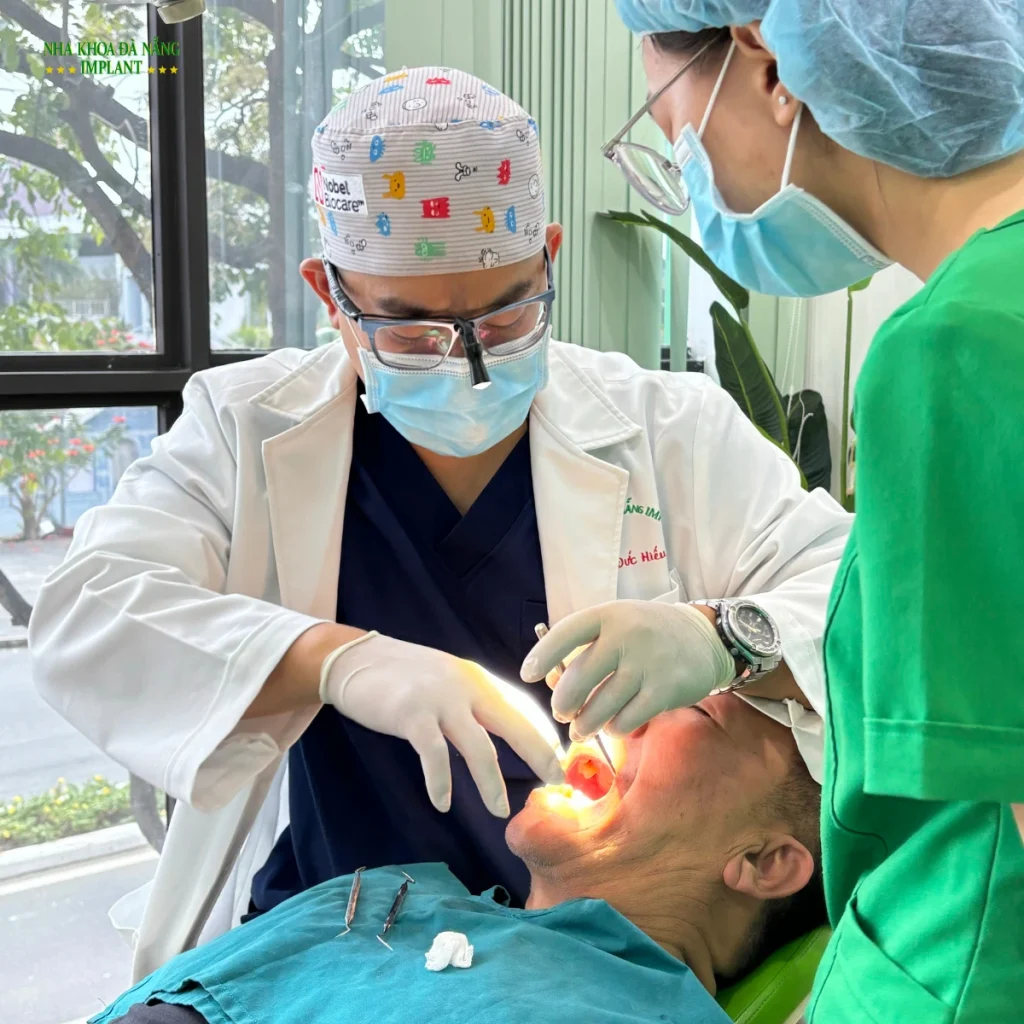
Dental Crown Treatment at Da Nang Implant Dental Clinic
If you are concerned about a damaged or discolored tooth, you can contact Da Nang Implant Dental Clinic to schedule a consultation and discuss suitable restorative options. Share what makes you feel self-conscious, your desired tooth shade, and your daily functional needs so you and your dentist can develop an appropriate treatment plan.
A well-matched dental crown is one that allows you to smile naturally and feel comfortable in everyday life.
DA NANG IMPLANT DENTAL CLINIC
Address: 420 2/9 Street, Hoa Cuong Ward, Da Nang City, Vietnam
Hotline: (+84) 899 412 412
Email: cskh@nhakhoaimplantdanang.com

Ngày: 06/11/2025

Ngày: 24/01/2026
Ngày: 27/08/2026
Ngày: 13/10/2026
Ngày: 26/10/2026