
Many patients believe that “once a tooth is treated, the pain will be gone.” However, in reality, there are quite a few cases where tooth pain persists, or even becomes worse after treatment.
So why does the tooth still hurt after treatment?
Is this a sign of treatment failure, or just a normal reaction of the tooth?
The article below will help you clearly understand 5 commonly overlooked causes, so you can avoid unnecessary worry and know when you should return to see the dentist immediately.
After dental procedures such as fillings, root canal treatment, deep scaling, or bite adjustment, mild sensitivity or pain during the first 1–3 days can be a normal reaction.
However, if:
Then it is very likely that the cause lies in factors that have not been fully addressed.
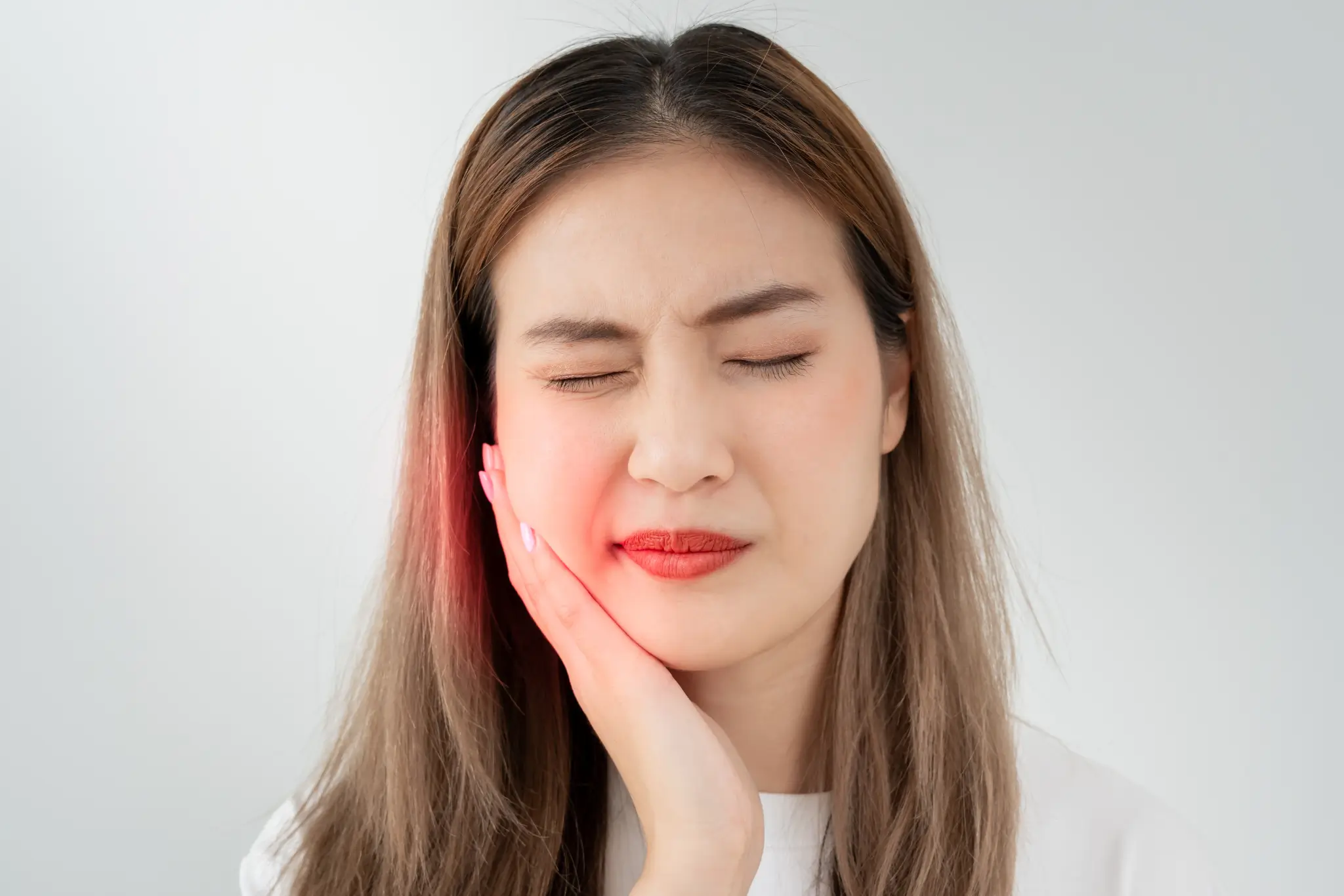
Pain after dental treatment – normal or abnormal?
During treatment, even when the dentist performs the procedure correctly, the tooth and surrounding tissues are still subjected to mechanical impact.
This is especially common with:
After treatment, the nerve may be temporarily irritated, causing:
In these cases, the discomfort usually subsides on its own after a few days if properly monitored.

Tooth sensitivity and pain when consuming hot or cold foods
This is a common cause but also the most easily overlooked one.
In some cases:
As a result:
At this point, the tooth needs proper root canal retreatment; painkillers alone are not sufficient.
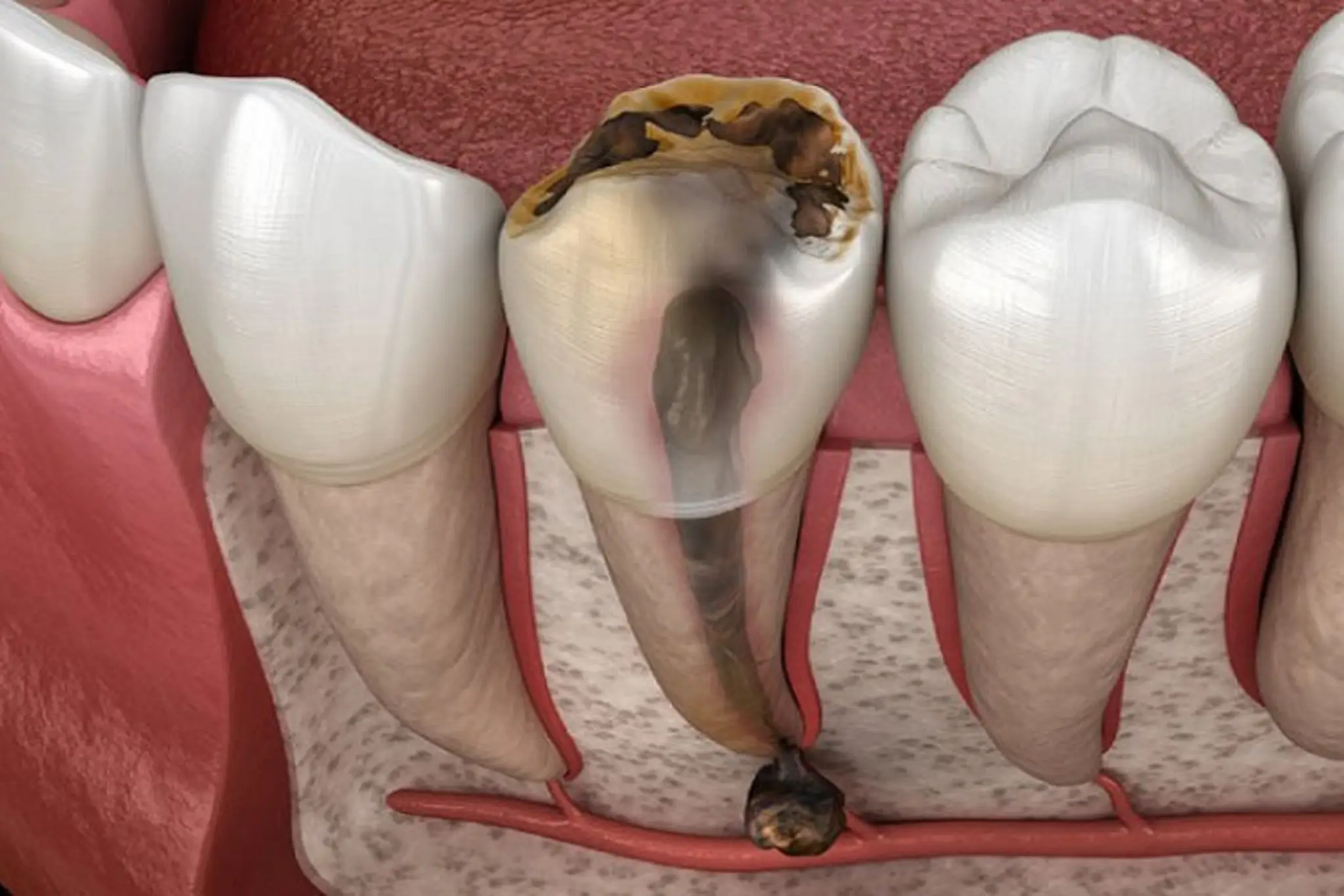
Pulp inflammation not fully treated
After a dental filling or restoration, if:
The tooth will have to endure greater force than normal, leading to:
Many patients overlook this cause, thinking that “the tooth is new, so it just needs time to adjust.”
In reality, simply readjusting the bite can significantly relieve the pain.
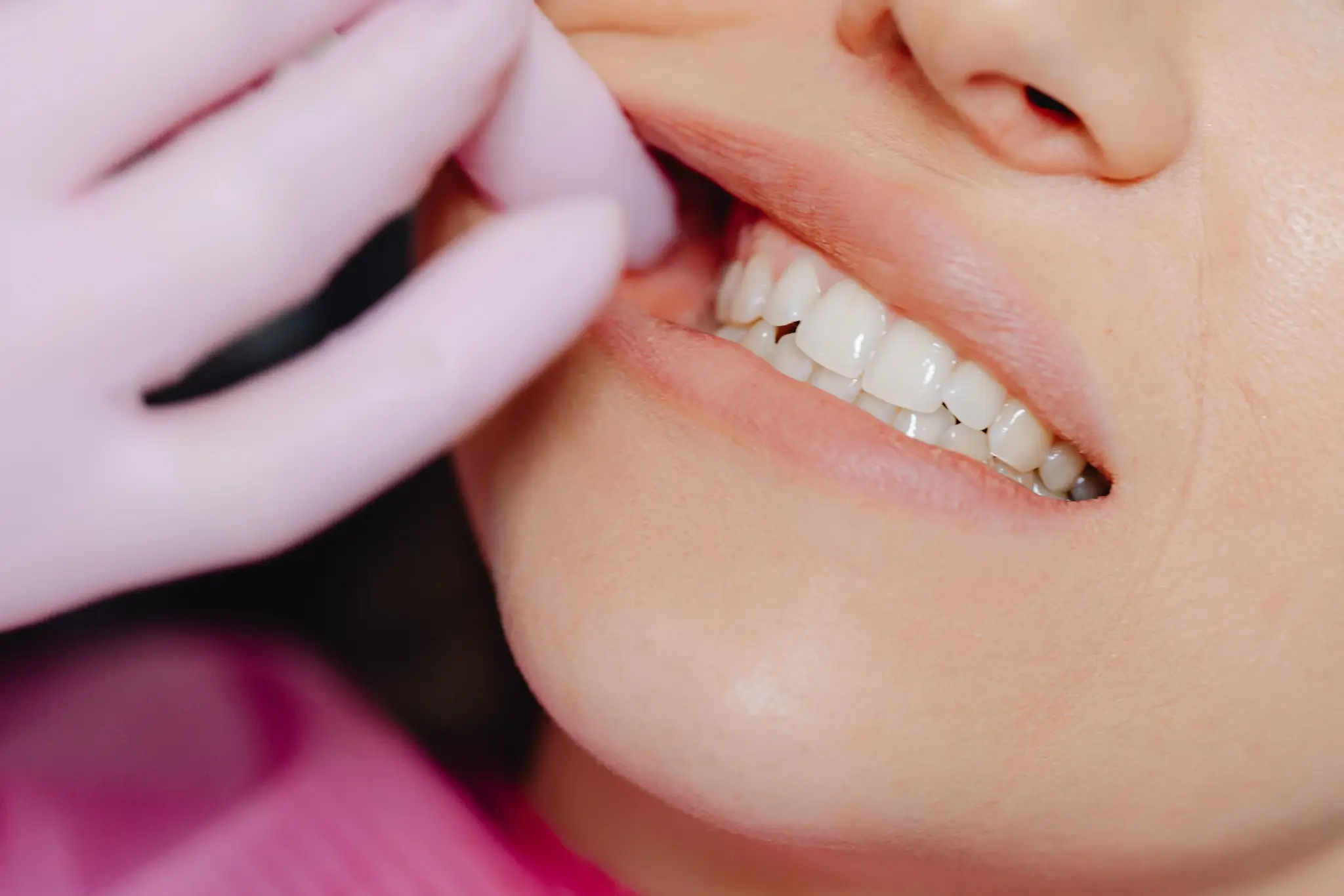
Bite not adjusted accurately
If the treatment is not performed under proper sterile conditions, or if the tooth already had a latent inflammatory lesion beforehand, the risk of infection can still occur.
Common signs include:
In this case, it is necessary to:
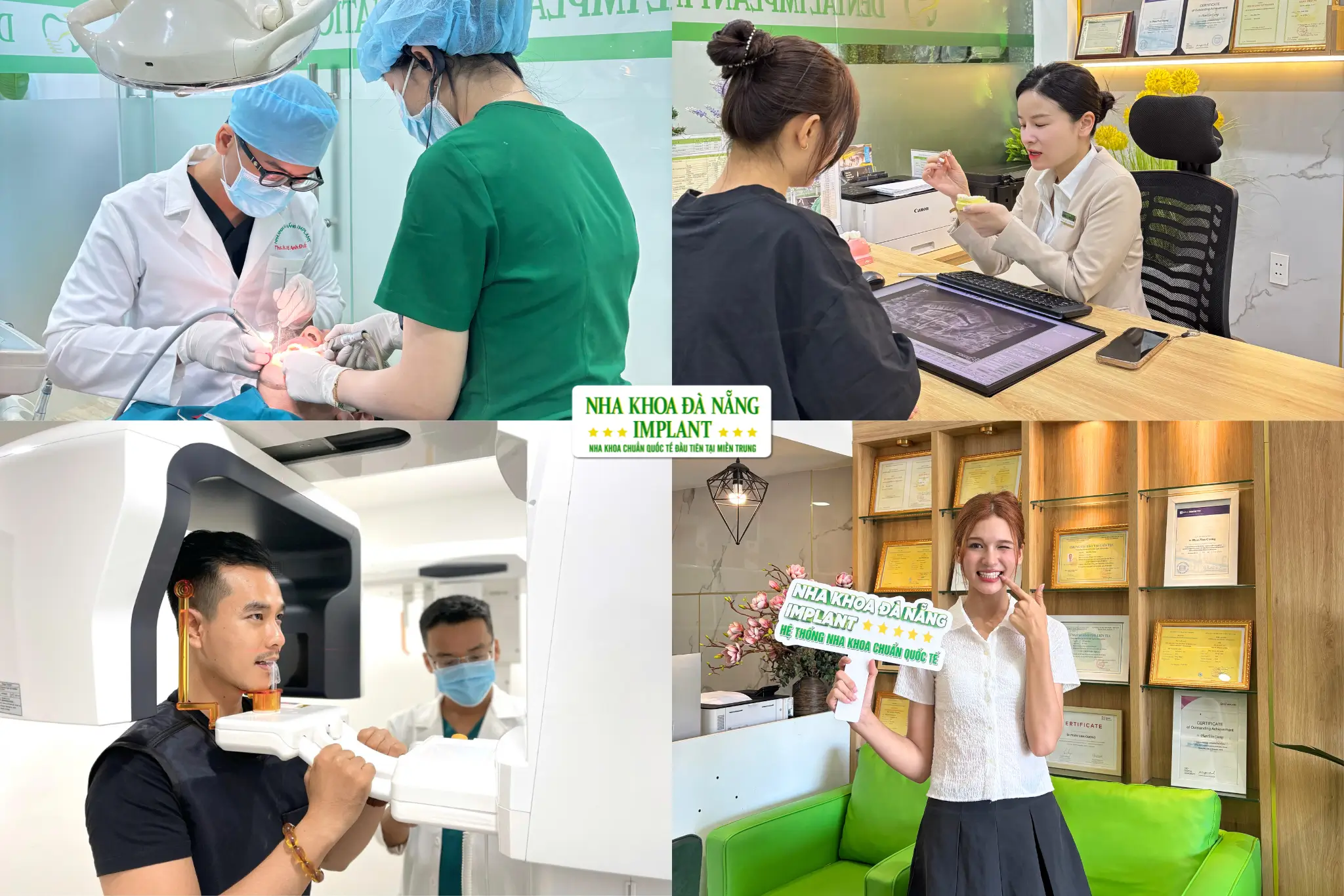
Free consultation and dental examination at Da Nang Implant Dental Clinic
Not everyone reacts the same way after dental treatment.
Some factors that can cause prolonged tooth pain include:
These factors put pressure on the tooth before it has fully healed, leading to prolonged pain.
You should schedule an early follow-up if you experience any of the following signs:

When should you return to see the dentist immediately?
Timely dental check-ups help address problems early – prevent complications – and save time and treatment costs.
At Da Nang Implant Dental Clinic, every dental case is carried out under a strictly controlled process to minimize prolonged pain after treatment:
The goal is not just temporary pain relief, but complete treatment and long-lasting results.

Standardized Treatment Space – Private and Safe
Pain after dental treatment is not always abnormal, but it should not be ignored.
Understanding the cause and being monitored by a professional dentist will help:
If you are experiencing tooth pain after treatment, don’t endure it alone. Let the team of dentists at Da Nang Implant Dental Clinic examine you and provide the appropriate solution.

Ngày: 19/04/2025

Ngày: 26/10/2023
Ngày: 16/10/2026

Ngày: 14/10/2026
Ngày: 13/10/2026
Ngày: 08/10/2026