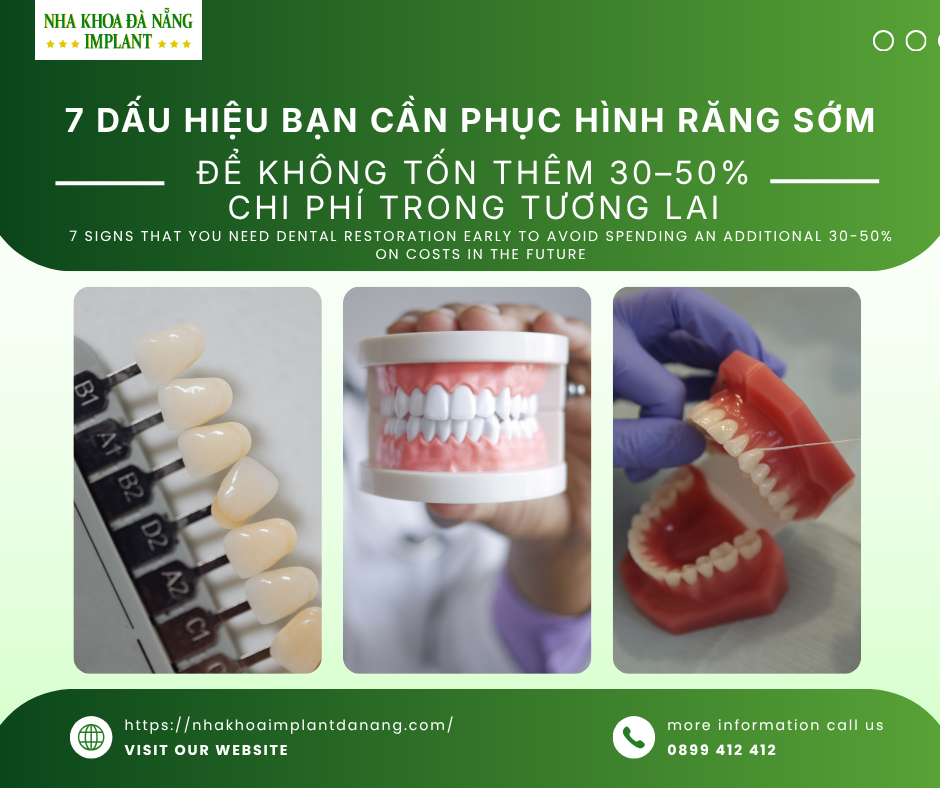
7 SIGNS YOU NEED EARLY DENTAL RESTORATION TO AVOID AN EXTRA 30–50% IN FUTURE TREATMENT COSTS
Author: admin
Ngày: 14/05/2026
Đánh giá
Chipped teeth, missing teeth, sensitivity, or discoloration are warning signs that you may need dental restoration sooner rather than later. Discover the 7 signs that can help you avoid increasing your treatment costs by 30–50% in the future.
7 SIGNS YOU NEED EARLY DENTAL RESTORATION TO AVOID AN EXTRA 30–50% IN FUTURE TREATMENT COSTS
A damaged tooth not only affects your appearance but can also lead to a series of problems related to chewing function, oral health, and future treatment expenses. In reality, many people tend to delay treatment, only visiting the dentist when they experience severe pain, major fractures, or tooth loss. At that stage, treatment becomes far more complicated, and costs may increase by 30–50% compared to early intervention.
Dental restoration is not simply about improving your smile. It is also an effective solution to preserve natural tooth structure, restore chewing function, and prevent serious oral complications. Below are 7 warning signs that indicate you should consider dental restoration as early as possible to avoid “losing more than you save.”
What Is Dental Restoration?
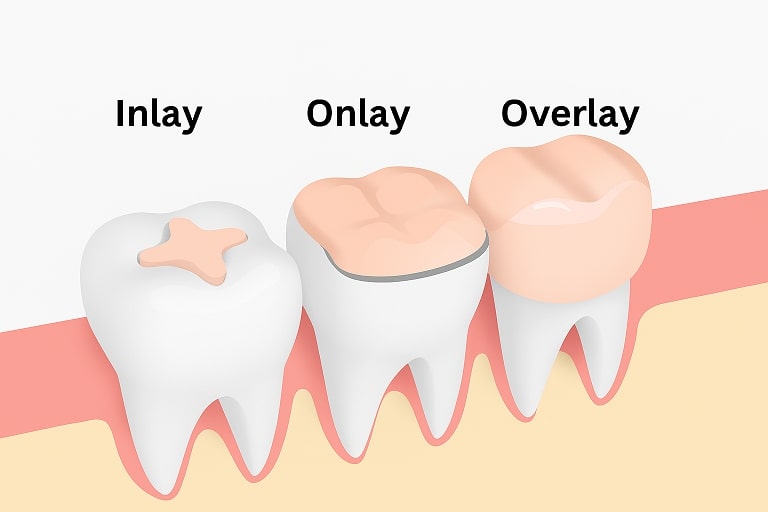
Inlay, Onlay, and Overlay are all restorative dental treatments
Dental restoration refers to procedures that restore the shape, function, and aesthetics of damaged, missing, or weakened teeth. Depending on the condition of each patient, the dentist may recommend:
Cosmetic fillings
Inlay/Onlay restorations
Dental crowns
Veneers
Dental bridges
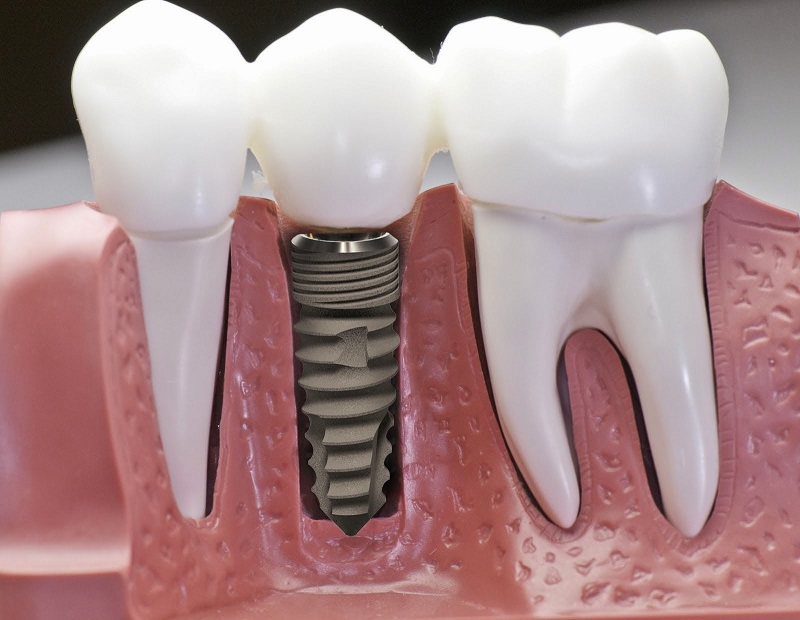
Dental implants
Full-mouth rehabilitation
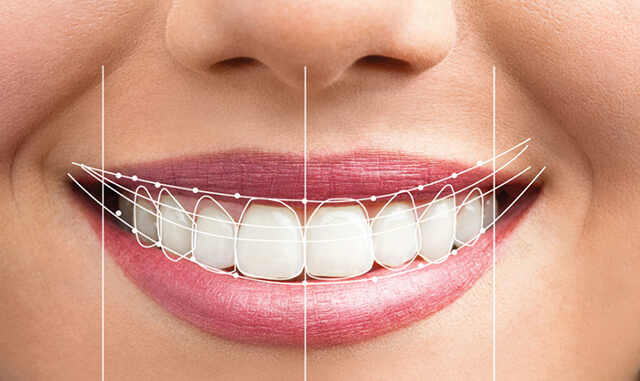
Ensuring a beautiful smile after restoration.
The main goals of dental restoration are to help patients:
Improve chewing ability
Preserve natural teeth as much as possible
Enhance smile aesthetics
Prevent bone loss and bite misalignment
Save long-term treatment costs
Why Does Delaying Dental Restoration Increase Costs?
Many people believe that if a tooth “doesn’t hurt yet,” treatment can wait. However, dental damage often progresses silently. A small cavity can spread to the pulp if left untreated. A minor crack can become a major fracture within months. Missing teeth for an extended period may lead to severe bone loss.
At that point, instead of needing a simple restoration, you may require:
Root canal treatment
Bone grafting
Sinus lifting
Tooth extraction
Complex implant procedures
Replacement of old restorations
This significantly increases overall treatment costs, not to mention the added time and health impact.
1. Chipped, Cracked, or Slightly Broken Teeth
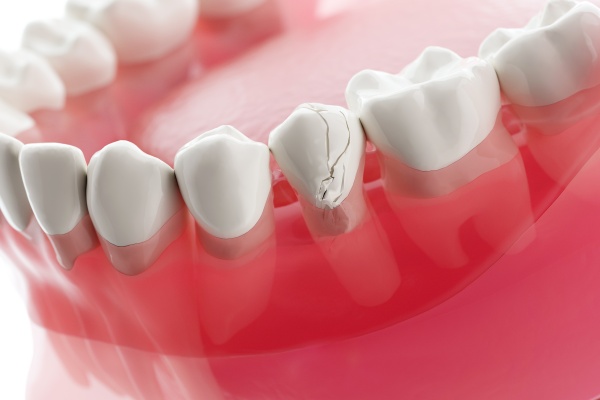
Cracked and broken teeth
Don’t underestimate small cracks
Many people think that a minor chip does not require treatment because it does not interfere much with daily life. However, small cracks or chips create weak points that make teeth more vulnerable to severe fractures over time.
Every day, teeth endure tremendous chewing pressure. Once the tooth structure weakens, continuous biting forces can cause cracks to spread deeper into the dentin or pulp.
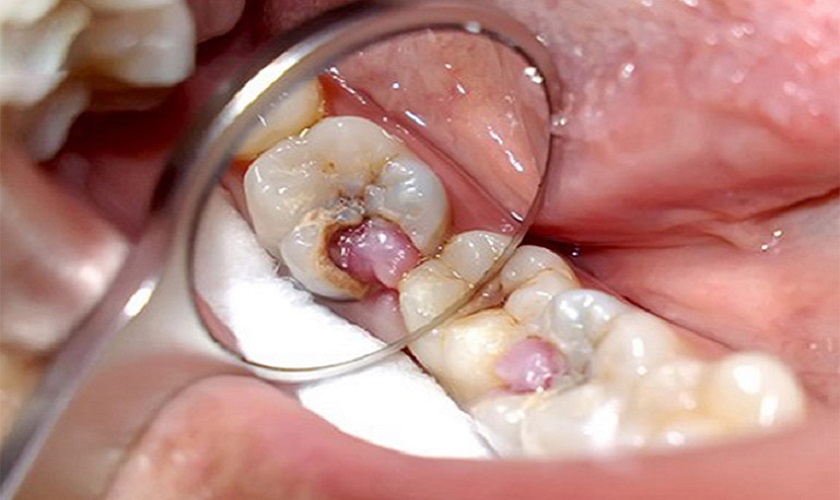
Hình ảnh viêm tủy răng
Risks of delaying restoration
Teeth may fracture vertically
Bacteria can enter and cause decay
Pulp inflammation and prolonged pain
Increased risk of tooth loss
At an early stage, treatment may only require:
Cosmetic fillings
Porcelain veneers
Onlays to preserve tooth structure
Without timely treatment, however, you may eventually need:
Root canal therapy
Full dental crowns
Tooth extraction and implants
At that point, the cost will certainly be much higher.
2. Discolored or Darkened Teeth
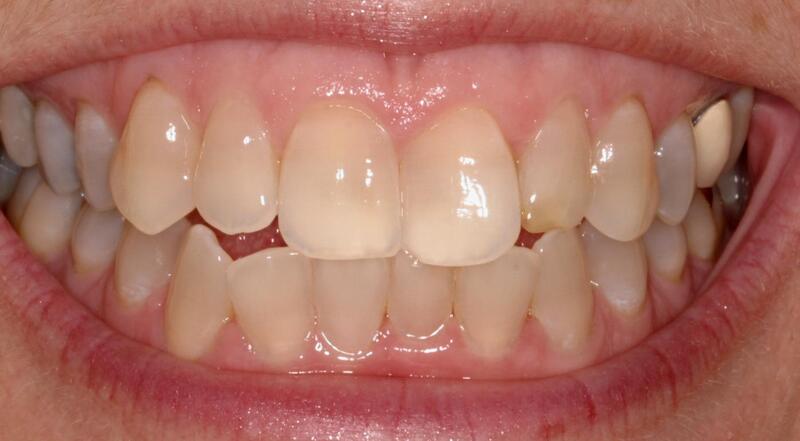
Yellow, discolored teeth
Tooth discoloration is not just a cosmetic issue
Yellow, gray, or blackened teeth can sometimes indicate internal tooth damage. This is especially common in teeth that:
Become discolored after root canal treatment
Have dead pulp
Are severely stained
Have weak enamel
In many cases, tooth discoloration is caused by weakened internal tooth structure. Repeated whitening without addressing the root cause may further weaken the teeth.
These conditions should be examined early.
Suitable restorative solutions
Depending on the condition, dentists may recommend:
Teeth whitening
Porcelain veneers
Cosmetic dental crowns
Early restoration helps:
Restore natural color
Protect natural teeth
Strengthen weakened teeth
3. Teeth That Have Had Root Canal Treatment but No Crown
Root canal-treated teeth are more fragile
After root canal treatment, teeth no longer receive nourishment in the same way and become significantly more brittle. This is why dentists often recommend placing crowns after root canal treatment, especially for molars.
Without proper protection, teeth may:
Develop vertical root fractures
Break apart
Become impossible to preserve
At that point, extraction may become unavoidable.
Why should restoration be done early?
Properly designed dental crowns help:
Improve strength
Protect remaining tooth structure
Reduce the risk of fractures
Extend the lifespan of natural teeth
The cost of early crowning is usually much lower than:
Tooth extraction
Bone grafting
Dental implants
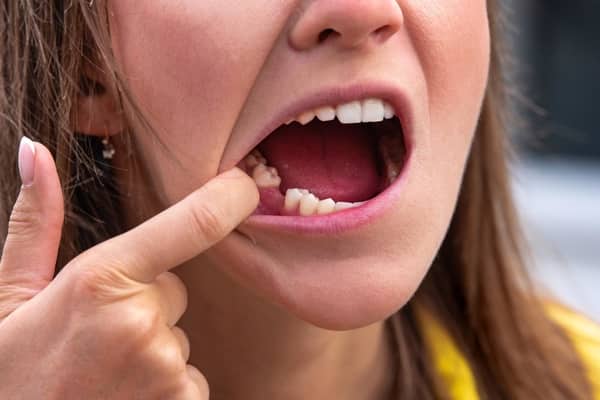
4. Missing One or More Teeth
Tooth loss affects not only aesthetics.
Missing teeth affect more than aesthetics
Many people delay replacing missing teeth because they can still “chew normally.” However, prolonged tooth loss can lead to serious consequences such as:
Jawbone loss
Shifting of adjacent teeth
Bite misalignment
Facial aging
Difficulty chewing
Bone loss occurs especially quickly during the first few months after tooth loss.
Consequences of delayed implant placement
When bone loss becomes severe, implant treatment becomes more difficult and may require:
Bone grafting
Sinus lift procedures
Longer treatment time
Higher costs
Meanwhile, early restoration after tooth loss helps:
Maintain bone density
Restore chewing function
Reduce the need for complex treatments
5. Severe Tooth Wear and Long-Term Sensitivity
Tooth wear is a warning sign of weakened tooth structure
Tooth wear is common among people who:
Grind their teeth
Consume acidic foods frequently
Brush incorrectly
Have naturally weak enamel
When enamel wears away, the dentin layer becomes exposed, causing sensitivity to hot and cold foods.
Without timely restoration or protection:
Teeth will wear down faster
Tooth height may decrease
Bite disorders may develop
Jaw muscle pain may occur
Restorative options
Depending on the severity, treatment may include:
Restorative fillings
Veneers
Crowns to restore bite height
Early treatment helps avoid complex full-mouth rehabilitation later.
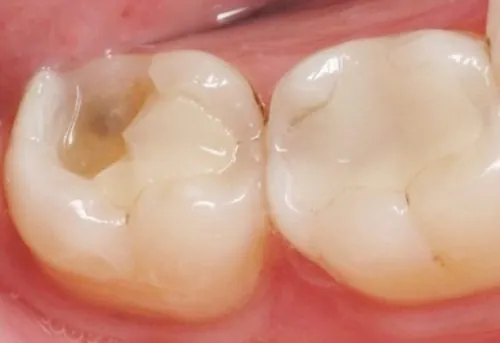
6. Large, Worn-Out, or Discolored Fillings
Fillings do not last forever
After years of use, fillings may:
Shrink
Become loose
Crack
Change color
Once gaps appear, bacteria can easily enter and cause recurrent decay.
In many cases, teeth may look normal on the outside while extensive decay develops underneath.
Why regular checkups matter
If detected early, dentists may only need to:
Replace the filling
Restore the tooth with Inlay/Onlay restorations
If delayed:
The tooth may develop pulp inflammation
Root canal treatment may become necessary
More tooth structure may be lost
Extraction may eventually be required
7. Gaps or Slightly Misaligned Teeth Causing Food Traps
Don’t ignore frequent food impaction
Small gaps between teeth may seem harmless but can easily trap food and bacteria, leading to:
Bad breath
Gum inflammation
Interproximal cavities
Bone loss around teeth
In addition, mild bite misalignment can create uneven chewing pressure, overloading certain teeth and causing them to deteriorate faster.
The dental team always prioritizes long-term preservation solutions rather than temporary fixes, helping patients save both time and future treatment costs.
Conclusion
Many dental problems begin with small warning signs such as sensitivity, chipped teeth, or slight discoloration. However, delaying treatment can allow these issues to progress into severe damage, increasing treatment costs by 30–50% or even more.
Early dental restoration not only helps preserve your natural teeth for longer but also:
Improves chewing function
Boosts confidence
Reduces pain and discomfort
Saves future treatment costs
If you are experiencing any of the signs mentioned above, do not wait until the pain becomes severe. Early dental examination is always the smartest way to protect your long-term oral health.