
A cup of milk tea in the afternoon, a few sweet pastries during a break, or a can of soda after a meal can provide a quick sense of enjoyment. However, when this habit is repeated frequently, your teeth may face repeated “acid attacks” throughout the day.

Sugar – The No. 1 Enemy of Your Teeth
Sugary foods does not directly create cavities immediately after you eat it. The problem begins when bacteria in dental plaque use sweeteners as a food source and then produce acids that demineralize tooth enamel. When this process happens repeatedly and the teeth cannot naturally recover fast enough, tooth decay may develop.
Therefore, controlling sugar does not mean completely eliminating sweets. What matters is understanding the effects of sugar on teeth, recognizing hidden sources of sweeteners, and developing healthier eating habits.
According to the World Health Organization (WHO), sweeteners in foods and beverages are among the most common risk factors for dental caries. Free sugars include:
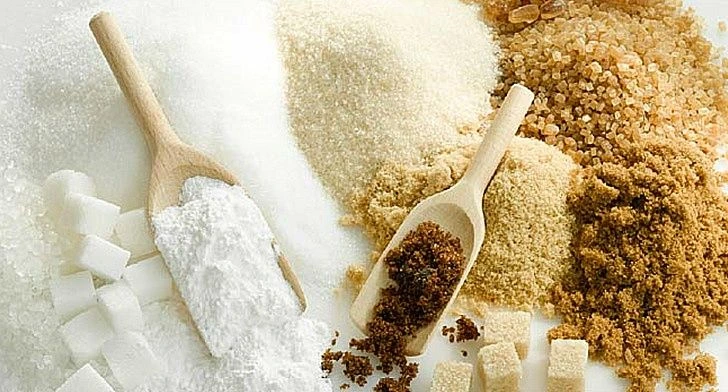
Why Is Sugar Considered the “No. 1 Enemy” of Teeth?
Sugary foods naturally found in whole fruits or milk are not exactly the same as free sugars. When you eat whole fruit, its fiber and natural structure help limit how quickly and how long sugar comes into contact with the tooth surface. In contrast, fruit juice, soft drinks, and confectionery can expose the mouth to a large amount of sugar in a short period of time.
WHO recommends keeping free sugar intake below 10% of total daily energy intake, and ideally below 5% to further reduce the risk of tooth decay. For a diet of around 2,000 kcal per day, 5% is equivalent to approximately 25 grams of sugar, or nearly 6 teaspoons.
The process can be understood in four steps:
After eating cakes, candy, or drinking sweetened beverages, some sugary foods and fermentable carbohydrates remain in the mouth. Soft and sticky foods such as gummy candy, cookies, dried fruit, or pastries may remain longer in pits, grooves, and between the teeth.
Dental plaque contains many types of bacteria. Some of these bacteria can metabolize sugar and produce acids. According to the CDC, bacteria on the teeth produce acid after we eat or drink, and this acid begins to dissolve the outer enamel layer.
Tooth enamel is the hardest tissue in the human body, but it can still be damaged when the oral environment remains acidic too frequently. Minerals such as calcium and phosphate gradually dissolve from the enamel surface.
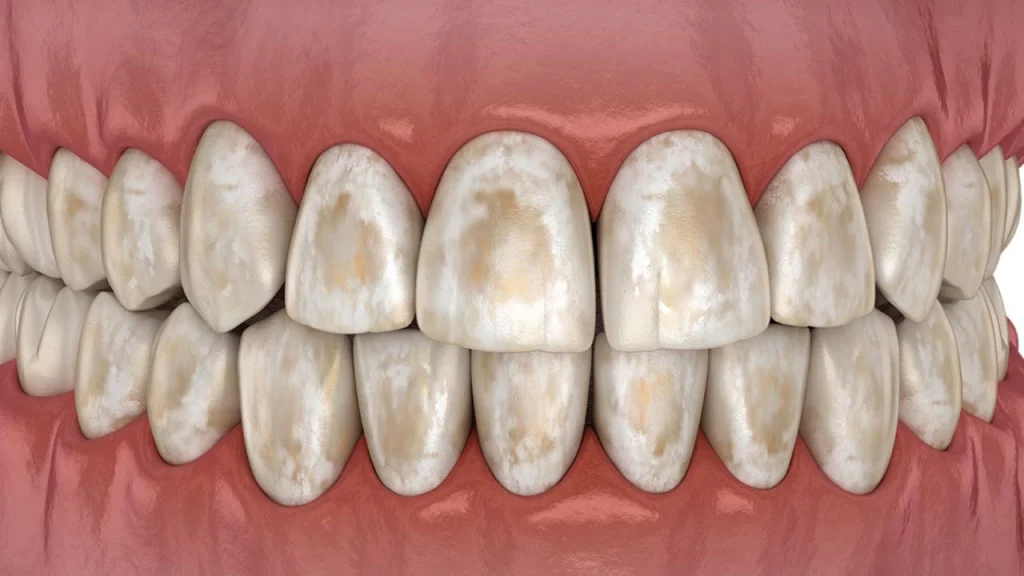
Acid Causes Enamel Demineralization
In the early stage, chalky white spots may appear on the teeth. These can be signs of early demineralization and may sometimes be controlled through proper oral hygiene, fluoride use, and dietary changes.
Saliva helps neutralize acids and supports enamel remineralization. However, if you constantly snack or sip sugary drinks, saliva may not have enough time to complete this recovery process.
Over time, the enamel surface may break down and form a cavity. If left untreated, decay can progress into the dentin and dental pulp, causing pain, pulp inflammation, or infection.
Both the total amount of sweeteners and the frequency of consumption can affect oral health. However, exposing the teeth to sweeteners repeatedly throughout the day is particularly important.
For example:
Although both people consume a similar amount of sugary foods, Person B’s teeth experience more frequent periods of increased acidity. The same problem may occur when sipping milk tea, soda, or sweetened coffee over several hours.
The American Dental Association recommends limiting sugary snacks between meals and reducing both the amount and frequency of fermentable carbohydrate intake.
This is the most common and obvious effect. Tooth decay can affect people of all ages, from children with primary teeth to adults and older individuals.
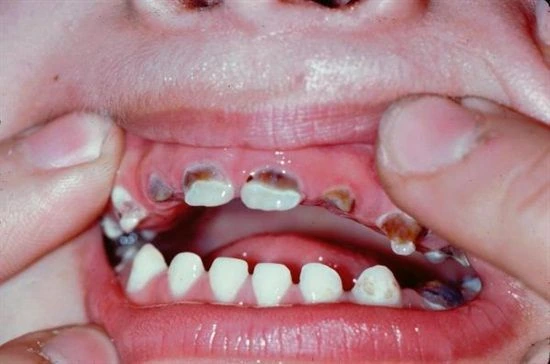
Increased Risk of Tooth Decay
Common areas where cavities develop include:
A high-sugar diet combined with inadequate oral hygiene can encourage plaque to remain on the teeth. Over time, plaque may harden into tartar, making it more difficult to clean effectively at home.
The bacteria in plaque can also irritate the gums, leading to redness, swelling, or bleeding during brushing. However, gum disease is not caused by sugar alone and is also influenced by oral hygiene, smoking, systemic diseases, and other factors.
Carbonated soft drinks, energy drinks, bottled fruit juices, and many flavored beverages may contain both sweeteners and acids. Sugar increases the risk of tooth decay, while acids in these drinks can directly soften and erode tooth enamel.
As enamel becomes thinner, the teeth may become more sensitive to hot, cold, sour, or sweet foods and drinks. The yellowish color of the dentin underneath may also become more visible.
Early-stage tooth decay often does not cause obvious pain. When the damage progresses deeper into the dentin and pulp, symptoms may include:
At this stage, the patient may require dental fillings, root canal treatment, or more complex restorative procedures. If the tooth is severely damaged and can no longer be preserved, the risk of tooth loss also increases.
Many people assume that only candy, cakes, and soft drinks contain large amounts of Sweeteners . In reality, sugar may also be found in many everyday products:
When reading product labels, sugar may appear under names such as sucrose, glucose, fructose, maltose, dextrose, corn syrup, or syrup. Pay attention to the “sugars” or “added sugars” section on the nutrition label.
If you want to eat dessert or sweets, it is better to have them with or immediately after a main meal rather than eating them repeatedly between meals. Saliva production increases during meals, which helps wash away food particles and neutralize acids.
Continuously sipping milk tea, soda, or sweetened coffee exposes the teeth to sugar repeatedly. It is better to finish the drink within a shorter period of time and drink plain water afterward.
Avoid swishing or holding sugary drinks in your mouth before swallowing.
Plain water does not provide sugar for oral bacteria and can help wash away food debris. If you frequently drink sweetened beverages, gradually reduce the sweetness or replace some of them with plain, unflavored water.
If brushing is not immediately possible, rinse your mouth thoroughly with plain water. This simple step can help remove some residual sugar and food particles.

Rinse with Water After Eating Sweets
After consuming acidic drinks such as carbonated soft drinks or fruit juice, avoid brushing immediately. The American Dental Association recommends rinsing with water instead because the enamel surface may temporarily be softer after acid exposure.
Brush for about two minutes in the morning and before bedtime. Fluoride helps strengthen enamel and supports the remineralization process.

Brush Twice a Day
After brushing, spit out excess toothpaste and avoid rinsing too thoroughly with water so that some fluoride can remain on the tooth surface. Young children should use an age-appropriate amount of toothpaste under adult supervision.
A regular toothbrush cannot completely clean the spaces between teeth. Dental floss, a water flosser, or interdental brushes can help remove plaque and food debris from areas that are more vulnerable to decay.
The most suitable cleaning method depends on the size of the interdental spaces, gum condition, dental implants, bridges, or orthodontic appliances.
Instead of candy, cakes, or sugary drinks, consider:
Sugar-free chewing gum may stimulate saliva production after meals, but it does not replace tooth brushing or interdental cleaning.
Early-stage tooth decay may not cause pain and can be difficult to detect with the naked eye. Regular dental examinations allow the dentist to identify early demineralization, small cavities, plaque accumulation, or gum problems.
The recommended recall interval should be individualized based on cavity risk, age, dietary habits, saliva flow, and current oral health.
Some groups may have a higher risk of tooth decay when consuming sugary foods frequently:
For these individuals, dentists may recommend a personalized preventive plan, such as additional fluoride, specialized oral hygiene instructions, or shorter intervals between dental check-ups.
Sweeteners is an important risk factor for tooth decay, but its effects can be controlled. Instead of focusing only on “how much sugar” you consume, also pay attention to how often your teeth are exposed to sugary foods and drinks throughout the day.
Reducing frequent snacking, choosing plain water, brushing with fluoride toothpaste, cleaning between the teeth, and having regular dental check-ups are simple steps that can provide long-term benefits.

Treatment Consultation at Da Nang Implant Dental Clinic
If you frequently experience tooth sensitivity, recurrent cavities, or are unsure how to care for your teeth properly, visit Da Nang Implant Dental Clinic for a dental examination and a personalized preventive care plan. Early detection not only helps preserve your natural teeth but may also reduce the need for more complex treatment later.

Ngày: 19/04/2025

Ngày: 26/10/2023

Ngày: 12/09/2026

Ngày: 12/09/2026
Ngày: 09/09/2026
Ngày: 05/09/2026