6-Step Dental Implant Procedure From A–Z: How Long Does It Take? How Much Does It Cost?
Author: admin
Ngày: 19/05/2026
Đánh giá
Discover the complete A–Z dental Implant procedure, including each stage of the treatment process, recovery time, treatment costs, and important notes to help the Implant integrate successfully, restore strong chewing function, and last long-term like natural teeth.
6-Step Dental Implant Procedure From A–Z: How Long Does It Take? How Much Does It Cost?
Missing teeth not only affect aesthetics but also lead to many oral health problems and reduced quality of life. When teeth are missing for a long time, the jawbone gradually deteriorates, neighboring teeth begin to shift, the bite changes, and chewing ability decreases significantly. Many people also experience unclear pronunciation, sunken facial appearance, and premature aging after tooth loss.
Today, dental Implants are considered the most modern and optimal tooth restoration solution because they can almost completely restore both the tooth root and crown. Unlike dental bridges or removable dentures, Implants restore teeth independently without grinding adjacent teeth while effectively preventing jawbone loss.
However, before deciding to get dental Implants, many patients still wonder about the treatment process, treatment duration, costs, and important things to consider during the Implant procedure. Understanding these factors will help patients prepare mentally and choose the most suitable treatment plan.
What Is a Dental Implant?
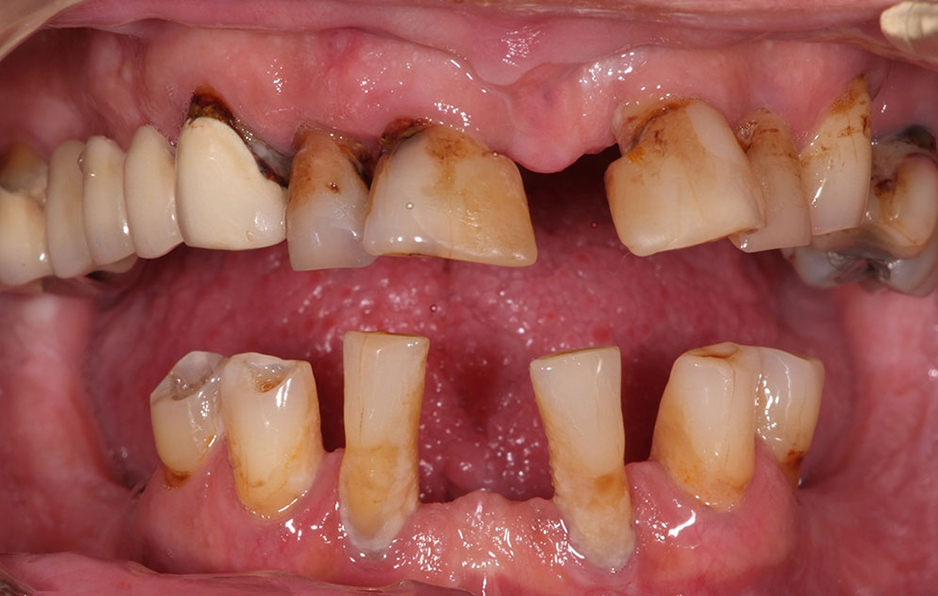
Implants Improve Tooth Loss Conditions
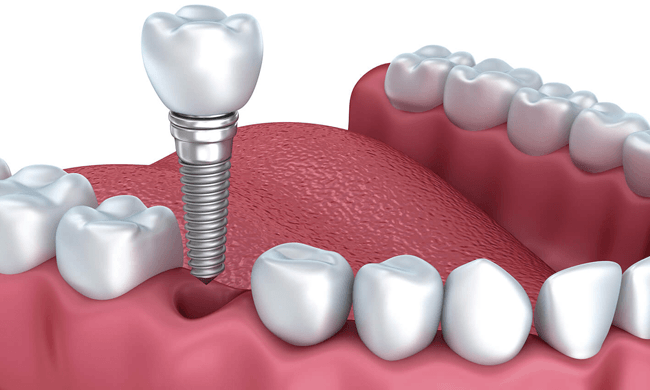
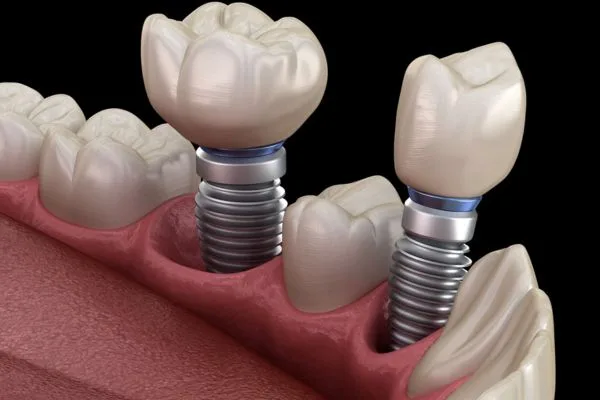
A dental Implant is a tooth restoration method in which a titanium post is placed into the jawbone to replace the missing natural tooth root. Once the Implant post has firmly integrated with the bone, the dentist attaches an Abutment and a dental crown on top to create a complete tooth.
A complete dental Implant consists of three main parts. The first is the Implant post, which is inserted into the jawbone and functions like a natural tooth root. The second is the Abutment, a connector that links the Implant post and the dental crown. Finally, the crown is placed on top to ensure aesthetics and chewing function.
The outstanding advantage of dental Implants lies in their ability to biologically integrate with the jawbone. After a period of healing, the Implant post fuses firmly with the bone and becomes part of the body. This is also why Implants are highly durable and provide chewing ability very similar to natural teeth.
Who Should Get Dental Implants?
Missing One Tooth, Multiple Teeth, or Full-Arch Tooth Loss
Dental Implants are suitable for most cases of tooth loss, from a single missing tooth to complete tooth loss in one or both arches.
For patients missing a single tooth, Implants restore the missing tooth independently without grinding down the neighboring teeth as required in traditional dental bridges. This helps preserve healthy natural teeth and maintain long-term chewing function.
For patients missing several consecutive teeth, dentists may recommend multiple Implants or combine Implants with a bridge to optimize costs while still ensuring stability and durability.
For full-mouth tooth loss, All-on-4 or All-on-6 Implant techniques are highly recommended today. With only a certain number of Implants, dentists can restore a fixed full arch with significantly better chewing ability and aesthetics compared to removable dentures.
In addition, people who currently wear removable dentures but experience looseness, difficulty chewing, or discomfort while speaking can also greatly improve their quality of life with dental Implants.
The A–Z Dental Implant Procedure
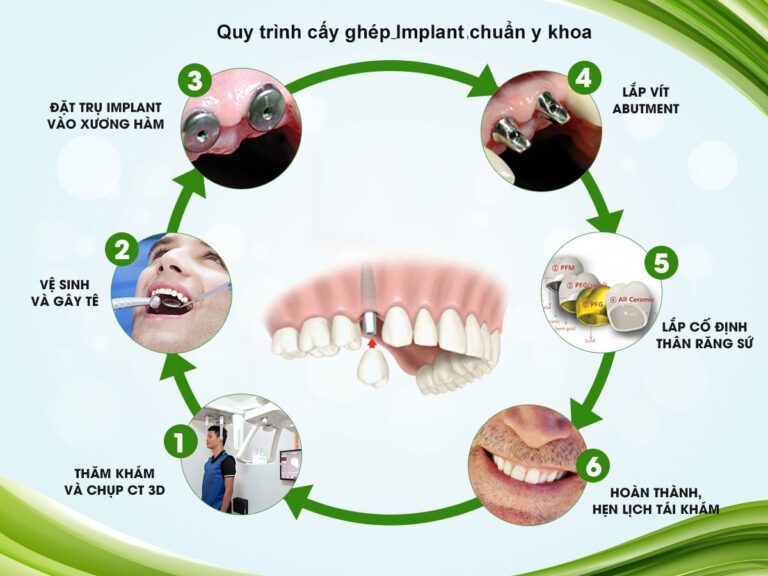
The dental Implant process usually involves several stages to ensure proper integration with the jawbone and long-term stability.
The first step is a comprehensive oral examination combined with a 3D CT Cone Beam scan. This is an extremely important step that allows the dentist to accurately assess jawbone condition, bone loss level, nerve locations, and existing oral diseases. Based on the CT data, the dentist can create a detailed treatment plan, determine the safest Implant placement position, and select the most suitable Implant system for each patient.
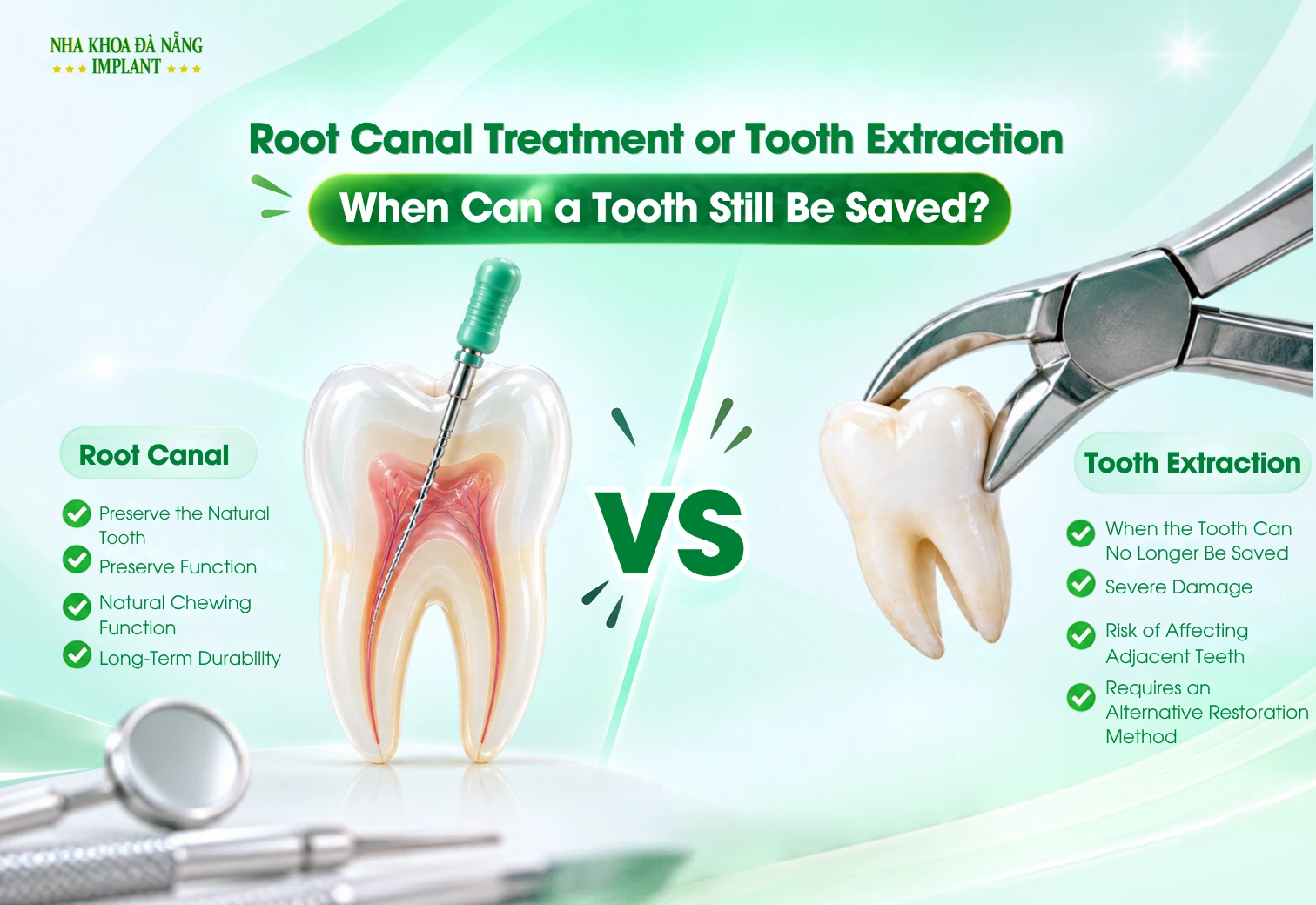
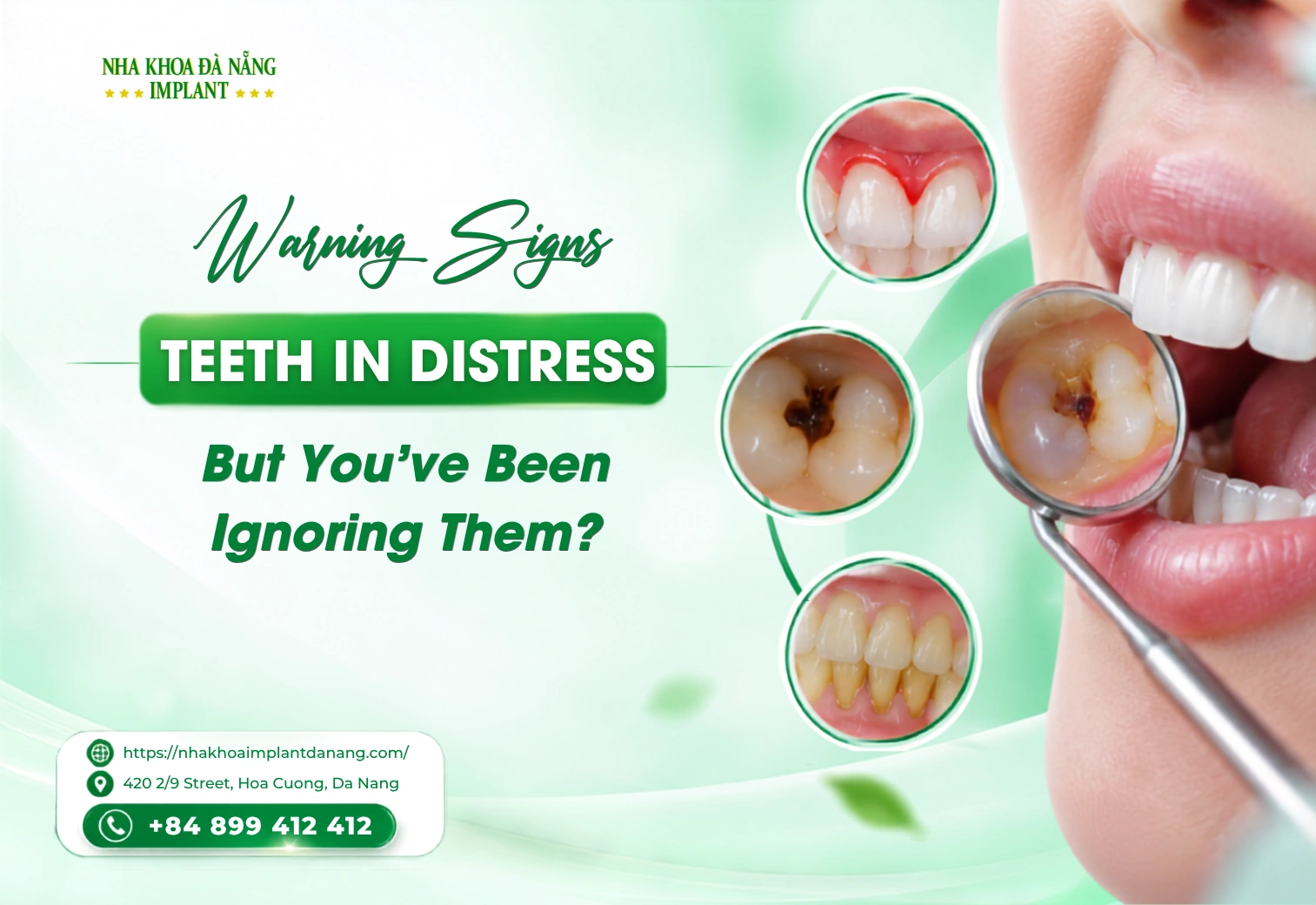
After the examination, if the patient has oral conditions such as gum disease, tooth decay, root canal infection, or oral infection, these issues must be treated before Implant placement. This helps reduce the risk of infection and improves the success rate of the Implant.
In cases of long-term tooth loss with severe bone resorption, bone grafting or sinus lifting may be required before Implant placement. These procedures help increase bone volume and provide a stronger foundation for Implant integration.
Once the jawbone condition is suitable, the dentist proceeds with placing the Implant post into the bone. The entire procedure is performed under local anesthesia, so patients usually feel little to no pain. Each Implant placement generally takes about 15 to 30 minutes depending on the location and bone condition.
After Implant placement, patients enter the osseointegration phase. During this period, the Implant gradually fuses with the jawbone. Integration time typically ranges from 2 to 6 months depending on the patient’s healing ability and bone quality.
Once the Implant is stable, the dentist takes impressions to design a dental crown that matches the patient’s natural teeth in color, size, and bite alignment. Finally, the crown is attached to the Implant to complete the restoration with chewing function nearly identical to a natural tooth.
How Long Does Dental Implant Treatment Take?
Implant Treatment Usually Takes 3–6 Months
Treatment duration is one of the biggest concerns for patients considering dental Implants.
In simple cases where the jawbone remains healthy, no bone grafting is required, and oral health is stable, the Implant process can usually be completed within 2 to 3 months.
However, for patients who have experienced long-term tooth loss with severe bone deterioration, treatment may take longer because bone grafting or sinus lifting procedures are necessary before Implant placement. In these situations, the total treatment time may extend to 6 to 9 months.
Today, some qualified patients may also undergo immediate Implant placement. This technique allows tooth extraction and Implant placement during the same appointment. However, it requires excellent bone and gum conditions, so not everyone is suitable for immediate Implants.
Is Dental Implant Surgery Painful?
This is one of the most common concerns among patients before getting dental Implants. In reality, modern Implant procedures are much more comfortable than many people imagine.
During the surgery, local anesthesia is applied, so patients usually do not feel pain. After the anesthesia wears off, mild soreness may occur for a few days, but it is generally manageable with medication prescribed by the dentist.
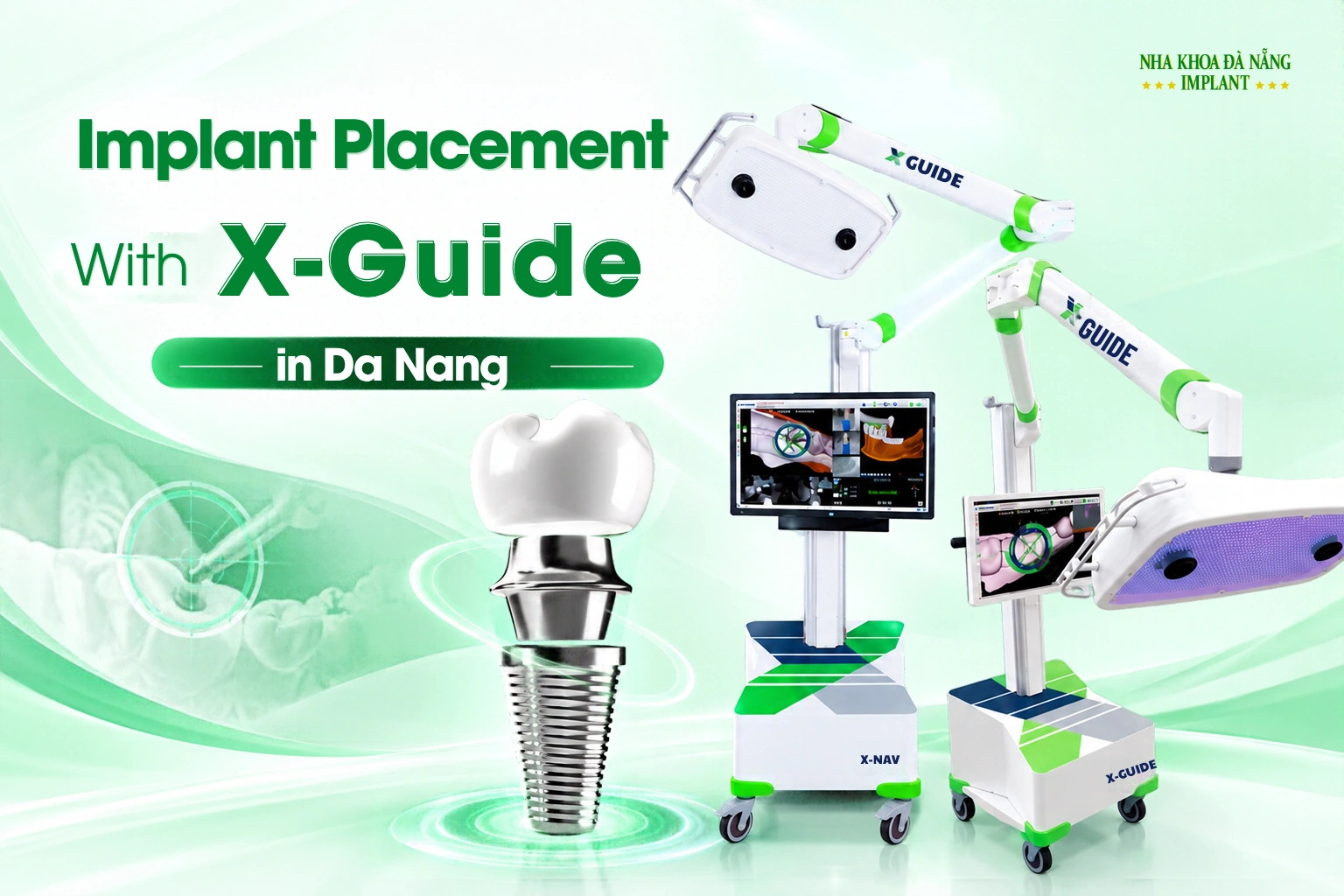
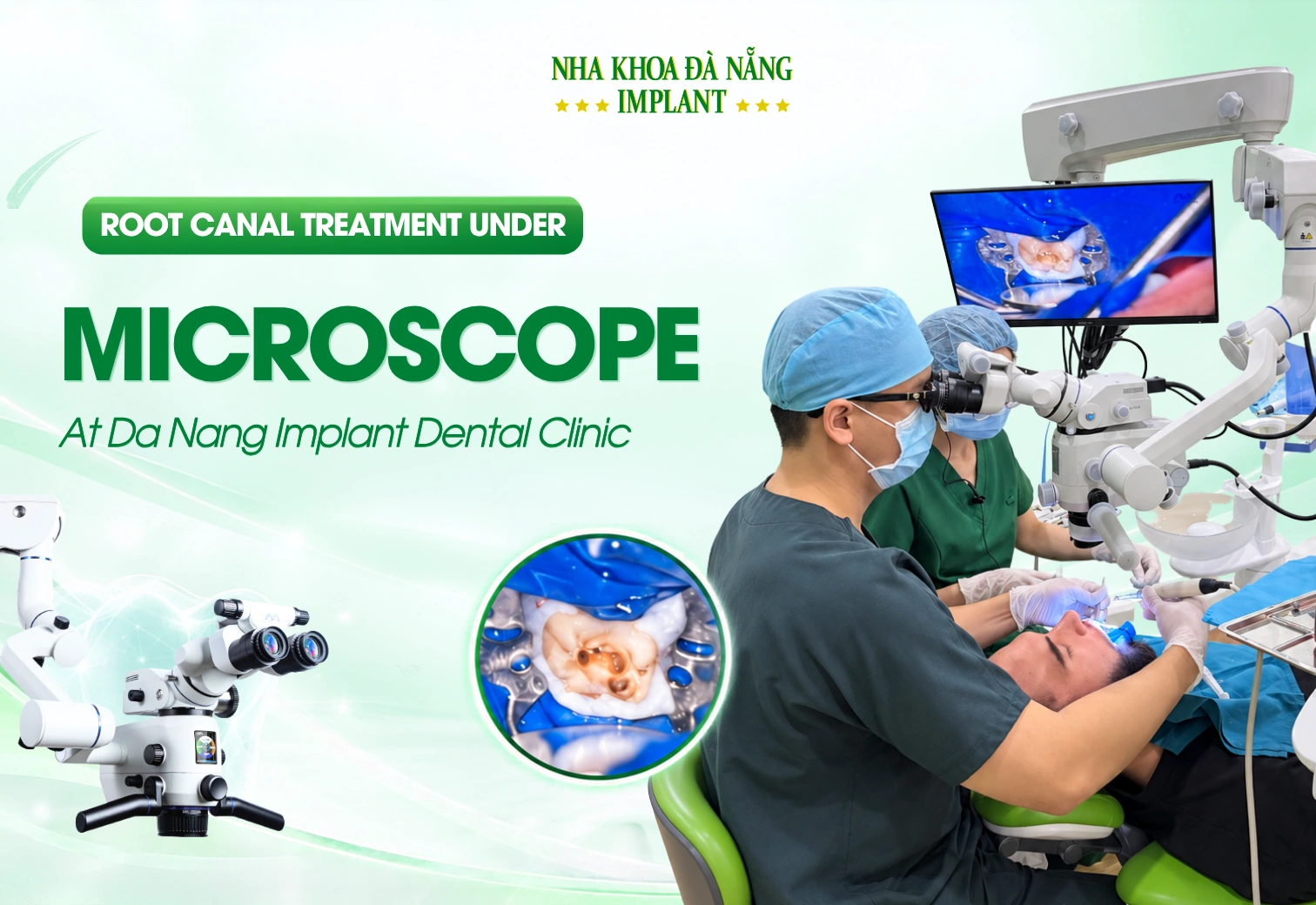
Thanks to advanced technologies such as 3D CT Cone Beam imaging, Implant navigation software, and modern surgical equipment, Implant procedures today are more precise, minimally invasive, and involve faster recovery.
How Much Does Dental Implant Treatment Cost?
The cost of dental Implants depends on many factors, including the Implant brand, jawbone condition, crown material, dentist’s expertise, and supporting technologies.
Currently, the average price for dental Implants in Vietnam ranges from approximately 13 million to over 40 million VND per tooth depending on the Implant system used.
Korean Implant systems are generally more affordable and suitable for many patients. Meanwhile, Swiss, American, and French Implant systems often feature more advanced surface technologies, better bone integration, and greater durability, resulting in higher costs.
However, patients should not choose Implants based solely on price. More important factors include clear product origin, transparent warranty policies, and the expertise of the treating dentist.
Important Things to Consider During Dental Implant Treatment
One of the most important things to remember is not to delay Implant treatment for too long after tooth loss. Once a tooth is lost, the jawbone gradually begins to deteriorate. The longer the delay, the more severe the bone loss becomes, making Implant treatment more difficult and sometimes requiring complex bone grafting or sinus lift procedures.
Patients should also completely treat any oral diseases before Implant placement. Conditions such as gum disease, gingivitis, or oral infections can increase the risk of Implant failure if left untreated.
Choosing a reputable dental clinic and experienced Implant dentist is also extremely important. Implant placement is a complex procedure requiring high precision. Incorrect Implant positioning can affect nerves, sinus cavities, bite alignment, and the long-term lifespan of the Implant.
After surgery, patients must carefully follow post-treatment instructions. During the first few days, soft foods are recommended, and excessive chewing force on the Implant area should be avoided to protect the bone integration process.
Smoking is another major factor that significantly reduces Implant success rates. Nicotine decreases blood circulation, slows healing, and increases the risk of infection around the Implant. Patients are strongly advised to stop smoking before and after treatment for better results.
Although Implants do not develop cavities like natural teeth, they can still suffer from peri-Implant inflammation if oral hygiene is poor. Maintaining proper brushing habits, using dental floss, and attending regular dental check-ups are essential for long-term Implant durability.
Another important note is to avoid choosing extremely cheap Implant services. Clinics advertising unusually low prices may use low-quality Implant systems or fail to maintain proper sterilization standards. If an Implant fails, retreatment is often far more complicated and expensive than receiving proper treatment from the beginning.
Conclusion
Today, dental Implants are considered one of the most advanced solutions for restoring missing teeth, helping patients regain chewing function and aesthetics nearly identical to natural teeth. Although treatment may take several months depending on each case, Implants remain highly recommended because of their long-term durability and ability to preserve jawbone structure.
To achieve the highest success rate, patients should choose a reputable dental clinic, experienced Implant specialists, and carefully follow all post-treatment instructions throughout the healing process.
If you are missing teeth or considering dental Implant treatment, early consultation is highly recommended so the dentist can accurately evaluate your jawbone condition and create the most suitable treatment plan, helping you save time, costs, and ensure long-lasting results.