
Many people only visit the dentist when they begin to experience tooth pain, swollen or bleeding gums, or difficulty chewing. However, not every oral health condition causes noticeable symptoms in its early stages. Tooth decay, periodontal disease, jawbone loss, and lesions around the tooth roots may progress silently over a long period of time.
Regular dental check-ups allow dentists to detect abnormalities at an early stage, provide timely care, and reduce the risk of more complex treatment later. They not only help protect your natural teeth but also maintain chewing function, smile aesthetics, and long-term oral health.

Regular Dental Check-ups
A regular dental check-up means proactively visiting the dental clinic according to a recommended schedule so that the dentist can comprehensively assess the condition of your teeth, gums, bite, and other tissues in the oral cavity, even when you do not feel any pain or discomfort.
The recommended frequency of dental check-ups is not the same for everyone. The dentist will suggest a recall schedule based on each patient’s oral health, age, lifestyle habits, and risk of dental disease.
In its early stages, tooth decay may appear only as a small discoloured spot on the tooth surface and may not cause pain. Because the signs are not yet obvious, it can be very difficult to detect without a professional examination.
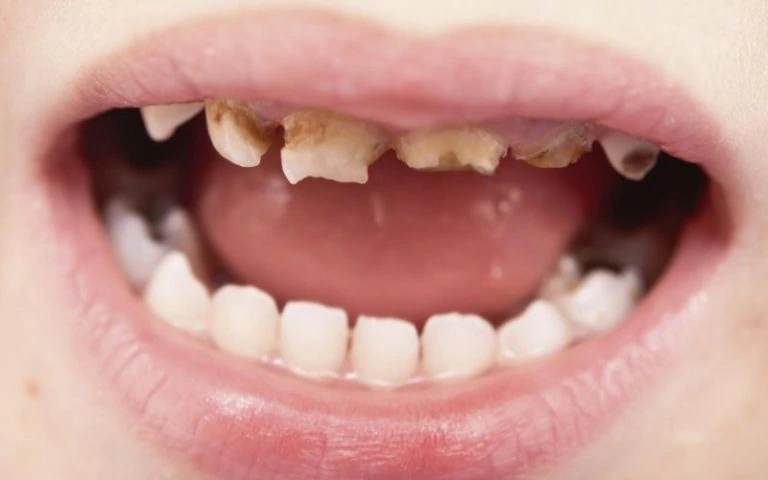
tooth decay
When detected early, the dentist may use conservative measures or place a filling with minimal intervention, preserving as much natural tooth structure as possible. In contrast, if decay reaches the dental pulp, treatment becomes more complex and may require root canal treatment, restoration, or even extraction if the tooth is severely damaged.
Regular dental check-ups are a simple way to identify small lesions before they develop into major problems.
Bleeding while brushing, bad breath, red or swollen gums, and gum recession may be early signs of periodontal disease. However, many people consider these symptoms normal and do not seek an examination.
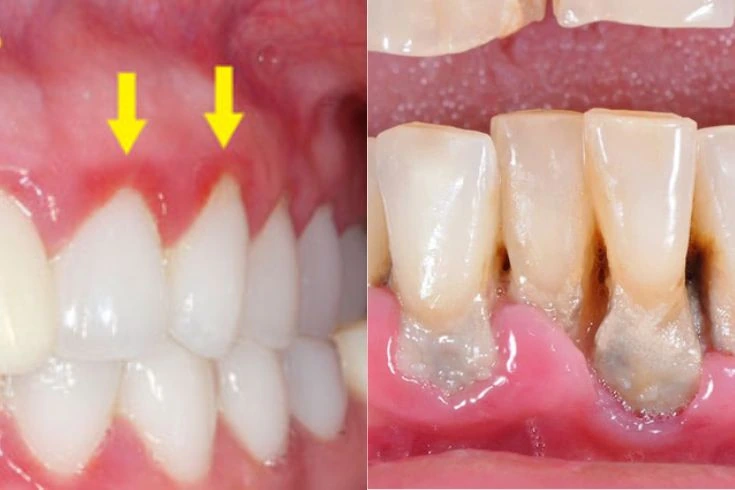
Gingivitis and periodontitis
As inflammation progresses, the supporting tissues around the teeth and the alveolar bone may be affected. Teeth can gradually become loose, chewing ability may decline, and the risk of tooth loss increases.
Through a clinical examination, periodontal pocket measurements, and an assessment of the bone around the teeth, the dentist can detect the disease early and develop an appropriate treatment plan.
Daily brushing and flossing are essential, but they do not always remove all plaque from hard-to-reach areas.
Over time, plaque can mineralise into tartar and adhere firmly to the tooth surface or accumulate below the gumline. At this stage, it cannot be completely removed with a regular toothbrush.
During a regular check-up, the dentist will assess the amount of tartar and recommend professional cleaning when necessary. Controlling plaque helps reduce bad breath, gingivitis, and periodontal disease.
Some lesions occur between adjacent teeth, beneath fillings, around tooth roots, or within the jawbone, making them difficult to detect through visual examination alone.
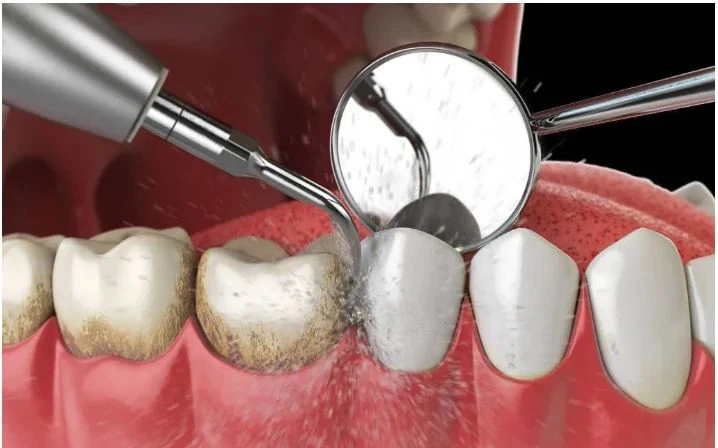
Dental check-up
When necessary, the dentist may recommend X-rays to evaluate:
These images provide additional information for an accurate diagnosis and timely intervention.
Tooth decay and periodontal disease are two common causes of tooth loss. Importantly, both conditions can be managed more effectively when detected and treated early.
When dental visits are delayed, more tooth structure and supporting bone may be destroyed. Treatment may then become more complex and time-consuming, while preserving the natural tooth becomes more difficult.
Regular dental check-ups allow the dentist to monitor abnormal signs and prioritise tooth-preserving treatment options before extraction or replacement of missing teeth needs to be considered.
Fillings, dental crowns, bridges, removable dentures, and dental implants all require follow-up examinations after treatment has been completed.
Attending follow-up appointments as recommended allows the dentist to identify and address these issues before they affect the natural teeth, gums, or the long-term outcome of the restoration.
Many people brush regularly but still develop tooth decay, gingivitis, or heavy tartar buildup. This may be caused by using an unsuitable toothbrush, brushing too forcefully, missing the spaces between the teeth, or not knowing how to clean dental restorations properly.
During the examination, the dentist can provide specific guidance on:
Small improvements in daily habits can make a significant difference to oral health.
A small cavity is usually easier to treat than a tooth with an inflamed pulp. Early-stage gingivitis is also much simpler to manage than periodontitis accompanied by bone loss and tooth mobility.
When a condition is detected early, treatment is generally less invasive, takes less time, and offers a better chance of preserving the tooth. In contrast, waiting until severe pain or swelling develops can make treatment more complicated and costly.
Therefore, regular dental check-ups are not an unnecessary expense but a proactive investment that can help prevent the need for extensive treatment in the future.
Yes.
Pain often occurs only after a condition has affected sensitive structures within the tooth or surrounding tissues. In the early stages, tooth decay, gingivitis, bone loss around the teeth, and certain other lesions may not cause noticeable symptoms.
Relying solely on pain to decide when to visit the dentist may therefore cause you to miss the most favourable time for treatment.
Even people who wear dentures or have lost all of their natural teeth should have regular oral examinations to monitor the gums, oral mucosa, jawbone, and fit of their prosthesis.
Many people are advised to have a dental check-up approximately every six months. However, this is not a fixed schedule for everyone.
The interval between visits should be personalised according to the individual’s risk of dental disease and current oral health. People with stable oral health may be advised to attend less frequently, while those at higher risk may require follow-up every three to six months or according to a personalised schedule.
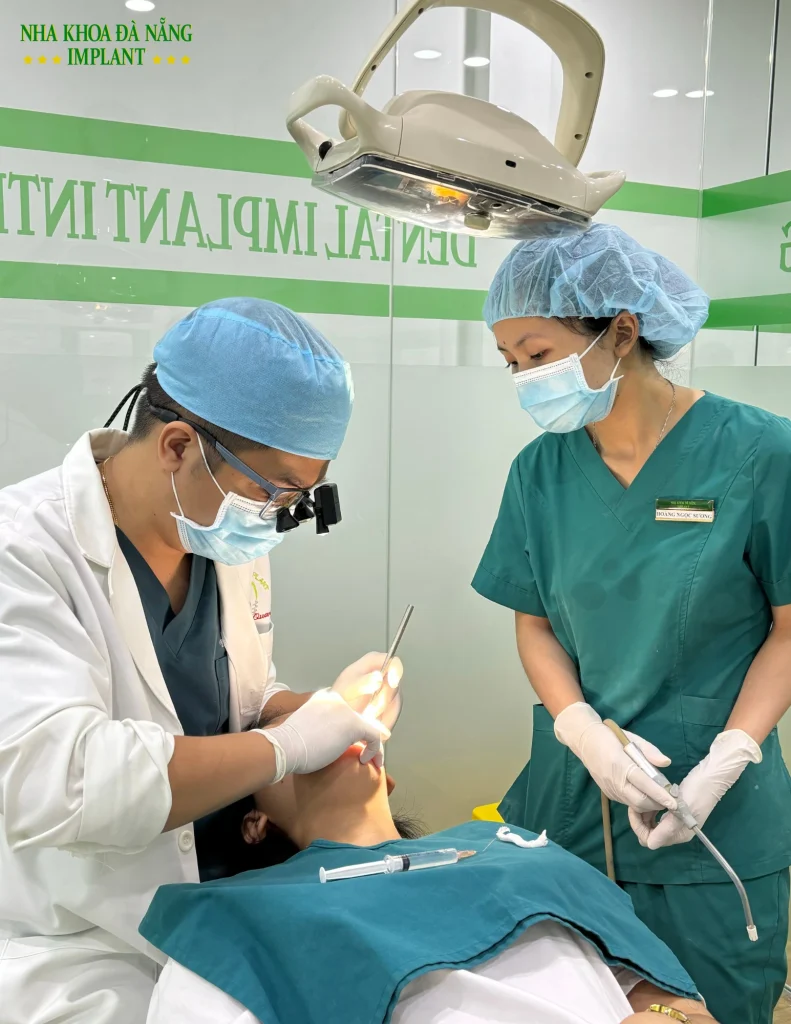
Regular check-up
You may need more frequent check-ups if you:
The most appropriate recall schedule should be determined by the dentist following a direct clinical assessment.
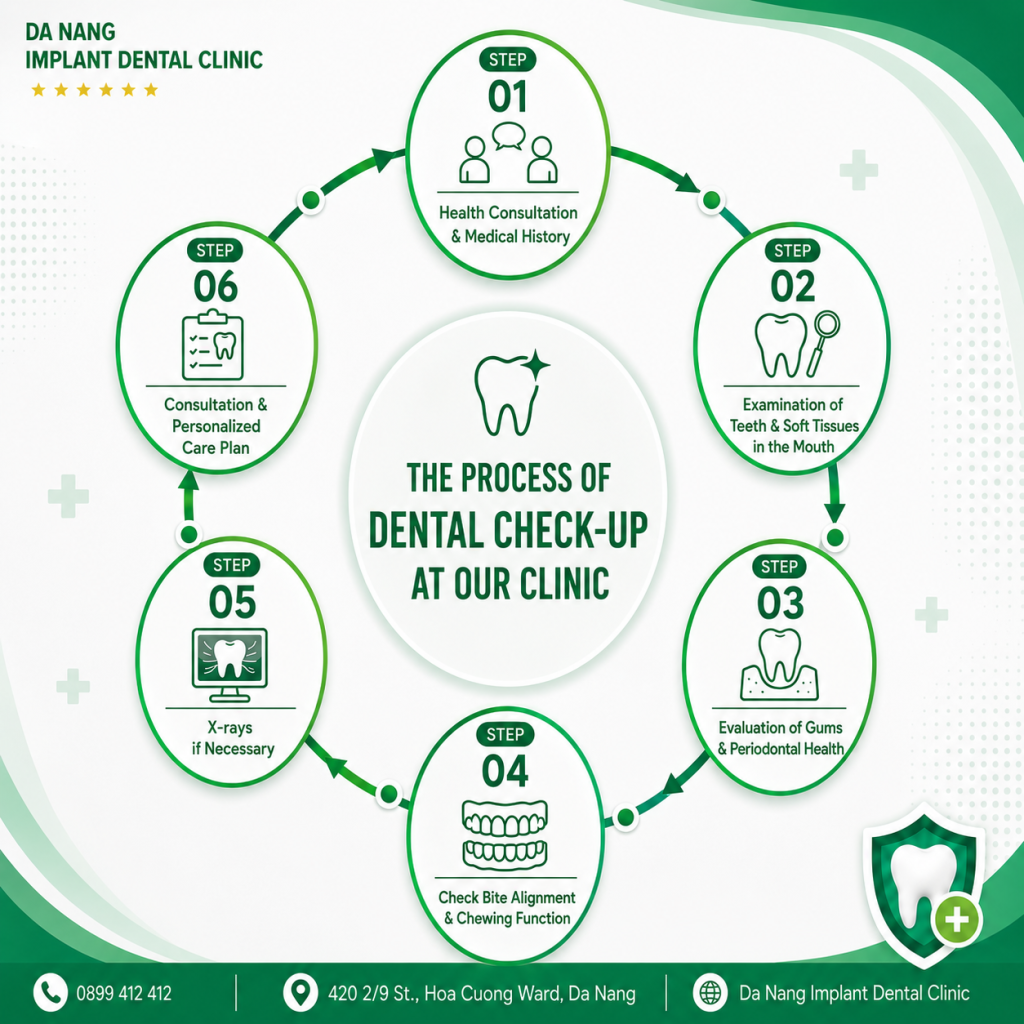
The regular dental check-up procedure
Depending on each patient’s condition, a comprehensive dental examination may include the following steps:
The dentist will ask about your current symptoms, previous dental treatment, systemic health conditions, medications, and any concerns you may have.
This information helps the dentist make appropriate clinical decisions and ensure your safety throughout the examination.
The dentist examines each tooth, existing fillings and crowns, the gums, tongue, oral mucosa, and other soft-tissue areas for signs of abnormalities.
Tartar buildup, gum bleeding, gum recession, periodontal pockets, and tooth mobility will be assessed when indicated.
The dentist assesses how the upper and lower teeth contact, as well as tooth wear, teeth grinding, and areas exposed to abnormal forces.
X-rays are not required at every appointment. The dentist will recommend them based on your symptoms, medical and dental history, and findings from the clinical examination.
After the assessment, the dentist explains your oral health condition, recommends treatment when a problem is identified, and provides instructions for home care. Your next check-up will also be scheduled according to your individual risk level.
You should arrange an early dental visit if you experience any of the following signs:
These signs may indicate a condition that requires early examination and treatment by a dentist.
Regular dental check-ups should be combined with proper home care. You should:
A dental check-up is not simply about finding the tooth that hurts. It is a comprehensive assessment designed to identify risks early, preserve natural teeth, and create a care plan suited to each patient.
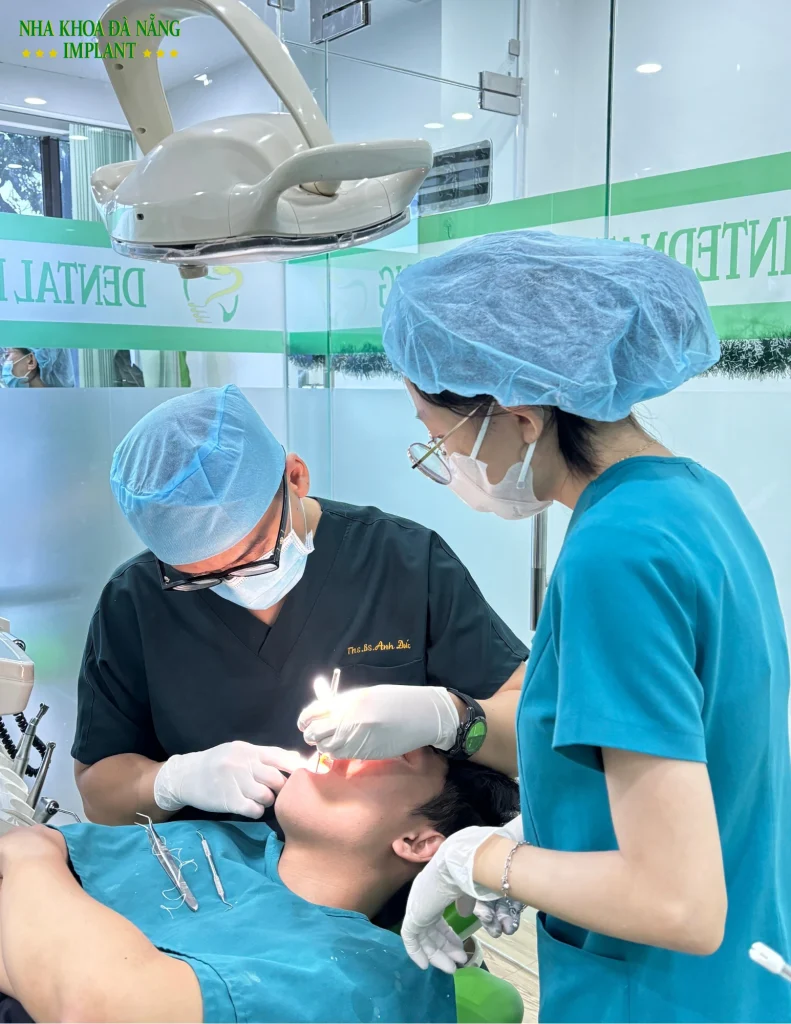
Da Nang Implant Dental Clinic
At Da Nang Implant Dental Clinic, patients are examined directly by a dentist, who assesses the teeth, gums, bite, and existing restorations. When necessary, diagnostic imaging will be recommended to improve the accuracy of the diagnosis.
Every oral health condition requires a different monitoring and treatment approach. For this reason, our dentists prioritise clear explanations so that patients understand their condition before making a decision.
Do not wait until your teeth hurt before paying attention to your oral health. A timely dental check-up can help prevent many conditions, preserve your natural teeth, and maintain a healthy smile for years to come.
Contact Da Nang Implant Dental Clinic to schedule a check-up and receive a direct consultation with our dentist.

Ngày: 19/04/2025

Ngày: 26/10/2023
Ngày: 08/10/2026
Ngày: 05/10/2026
Ngày: 30/09/2026
Ngày: 22/09/2026