
A successful tooth restoration involves more than simply filling the gap left by a missing tooth. Patients want to chew comfortably, communicate confidently, and maintain their oral hygiene with ease every day. To achieve these goals, a comprehensive treatment plan should be developed before implant placement begins.When researching X-Guide dental implant treatment in Da Nang, many patients wonder how this technology can help and whether using advanced equipment automatically leads to better treatment outcomes. Understanding the role of X-Guide can help you communicate more effectively with your dentist and choose a treatment approach that suits your oral health condition.
X-Guide is a 3D dynamic navigation system designed to assist dental implant surgery. Based on preoperative treatment planning and imaging data, the system provides real-time information that allows dentists to monitor the position, angulation, and depth of surgical instruments throughout the procedure.
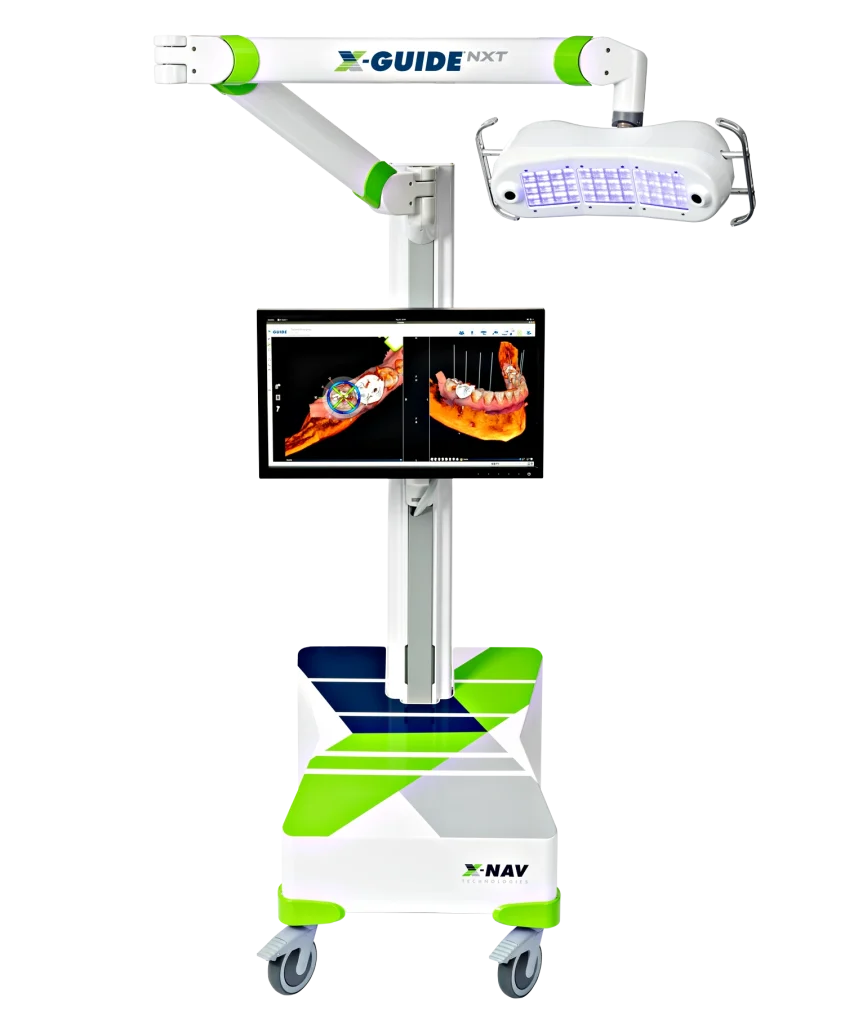
What Is X-Guide?
X-Guide can be understood as a navigation tool that helps guide dentists during implant placement. However, the dentist remains fully responsible for performing the procedure and making all clinical decisions. X-Guide is not an automated robotic implant placement system.
One important question should be considered from the beginning: “How will the restored tooth function after treatment?”
During the consultation, patients should understand the relationship between implant positioning and the final dental restoration. Important considerations include:
Will the restoration involve a single tooth, an implant-supported bridge, or a full-arch prosthesis?
What are the patient’s functional and aesthetic expectations?
What stages are involved in the treatment plan?
How will daily oral hygiene and follow-up appointments be managed?
A well-structured treatment plan helps patients understand why a particular approach is recommended rather than focusing solely on implant brands or surgical equipment.
For patients with multiple missing teeth, discussing the desired treatment outcomes becomes even more important. For example, someone seeking to replace removable dentures may have different needs from someone requiring a single posterior tooth replacement.
Before implant placement, dentists use Cone Beam Computed Tomography (CBCT) images to evaluate the jawbone and develop a surgical plan. The implant position is determined in consideration of the final restoration, with the aim of supporting chewing function and achieving a harmonious aesthetic result.
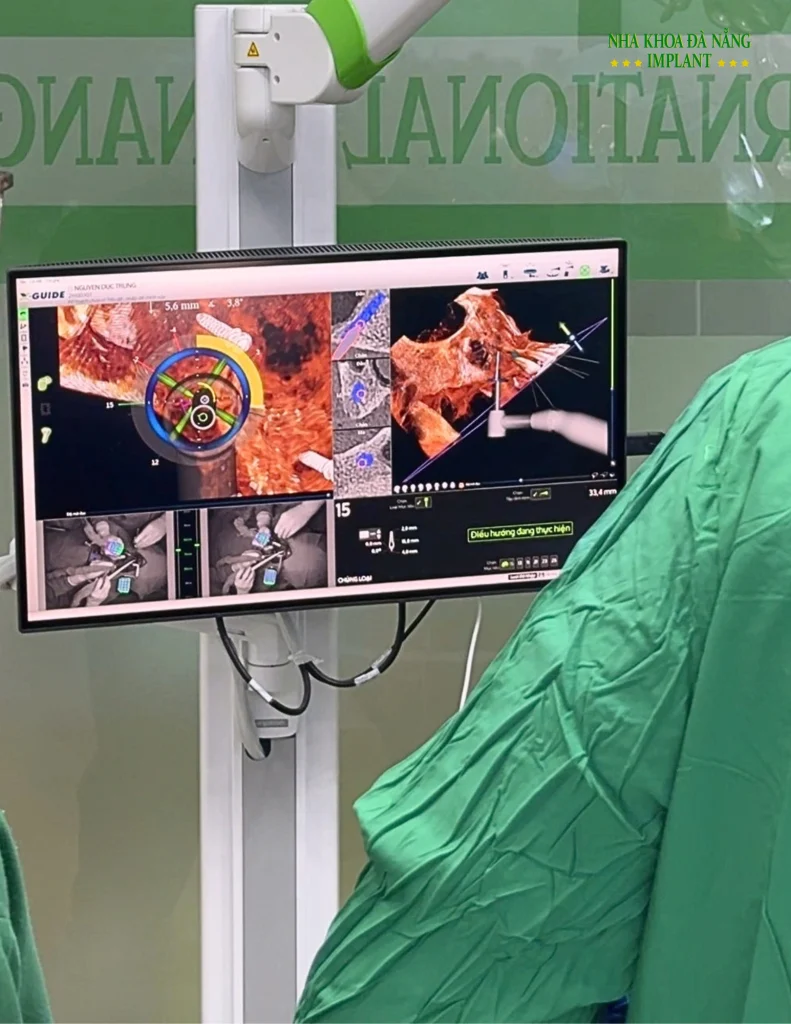
The Role of X-Guide in Dental Implant Treatment Planning
During surgery, X-Guide displays real-time navigation information, allowing dentists to monitor the drilling trajectory and compare it with the preoperative plan.
X-Guide can be described as a surgical navigation system that assists dentists throughout the implant placement procedure.
By continuously updating navigation information in real time, the system provides additional guidance to help dentists control surgical movements and position the implant as closely as possible to the planned location.
However, technology serves as a supportive tool rather than a replacement for clinical expertise. Treatment outcomes also depend on the dentist’s experience, the patient’s oral health condition, and proper postoperative care.
Using treatment planning images, dentists can visually explain the intended implant position and the type of restoration that will be placed above it.
This helps patients better understand the treatment stages and the reasons behind the recommended approach.
The key consideration is how X-Guide can support your specific treatment, ensuring that the use of technology is directly connected to your actual restorative needs.
No. X-Guide should not be considered a guarantee of any of these outcomes.
In the clinical trial mentioned above, postoperative pain levels and analgesic consumption during the first week were similar between the two groups. Surgical procedures performed with dynamic navigation also took longer.
Therefore, greater implant placement accuracy should not automatically be interpreted as less postoperative pain or shorter surgical time in every case.
X-Guide is a navigation assistance system. It does not replace clinical evaluation of bone conditions or the body’s healing capacity.
Dentists must still determine whether additional procedures are required and when the patient is ready to receive the final restoration.
According to the U.S. Food and Drug Administration (FDA), overall health conditions and smoking can affect healing and dental implant treatment outcomes.
If you are considering dental implants to replace missing teeth, you can ask about X-Guide during your initial consultation, especially if you want to understand how your dentist plans to control implant positioning.
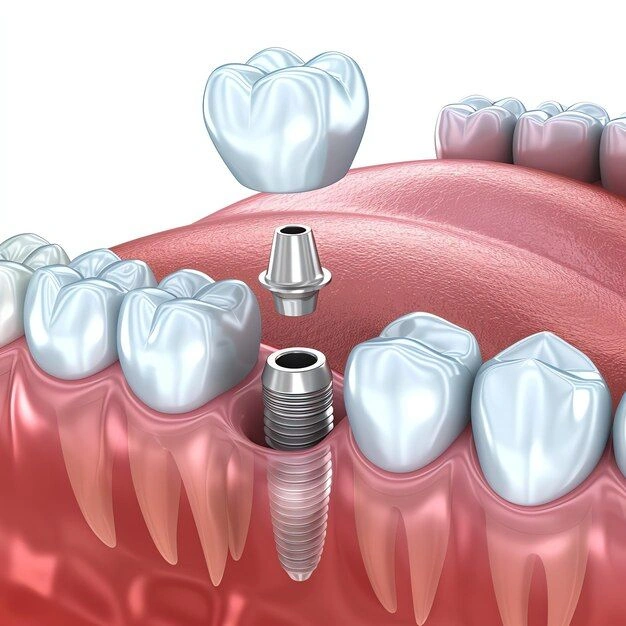
X-Guide-Assisted Dental Implant Placement
Whether you are missing one tooth or several teeth, the need for navigation technology should be evaluated as part of your overall treatment plan.
It is important not to assume that straightforward cases never require advanced technology or that complex cases can be resolved simply by using X-Guide.
After the consultation, patients should have a clear understanding of their recommended treatment, including the restorative goals, treatment stages, estimated costs, and follow-up schedule.
Rather than focusing only on the implant surgery itself, patients should ask about the entire restorative treatment journey.
| Treatment Stage | What to Discuss With Your Dentist |
|---|---|
| Initial consultation | Missing teeth, overall health, underlying medical conditions, and current medications |
| Treatment planning | Restorative options, required imaging data, and the role of X-Guide |
| Preoperative preparation | Whether existing oral health problems need treatment or additional procedures are necessary |
| Implant placement | Anesthesia options, estimated procedure duration, and postoperative instructions |
| Final restoration and follow-up | Timing of prosthetic restoration, oral hygiene instructions, follow-up appointments, and additional costs |
The specific treatment schedule should be determined according to each patient’s individual condition.
For patients traveling from other cities or international patients visiting Da Nang, it is advisable to discuss the number of required appointments, intervals between treatment stages, and follow-up arrangements after returning home.
When receiving a quotation, patients should request a clear breakdown of the total restorative treatment cost, including which services are covered and which may incur additional charges.
Important questions include:
Is the use of X-Guide included in the quoted treatment fee?
Does the price include the dental implant fixture, abutment, and final prosthetic restoration?
How are CBCT scans, temporary restorations, and follow-up visits charged?
If additional procedures are required, when will the associated costs be explained?
What warranty policies apply, and what are the specific terms and conditions?
A transparent treatment quotation should clearly explain which services and components are included, as well as any additional expenses patients may need to prepare for before completing their treatment.
At Da Nang Implant Dental Clinic, dental restoration focuses on more than replacing missing teeth. The ultimate goals are to support comfortable chewing, restore confidence, and help patients maintain their oral health in everyday life.
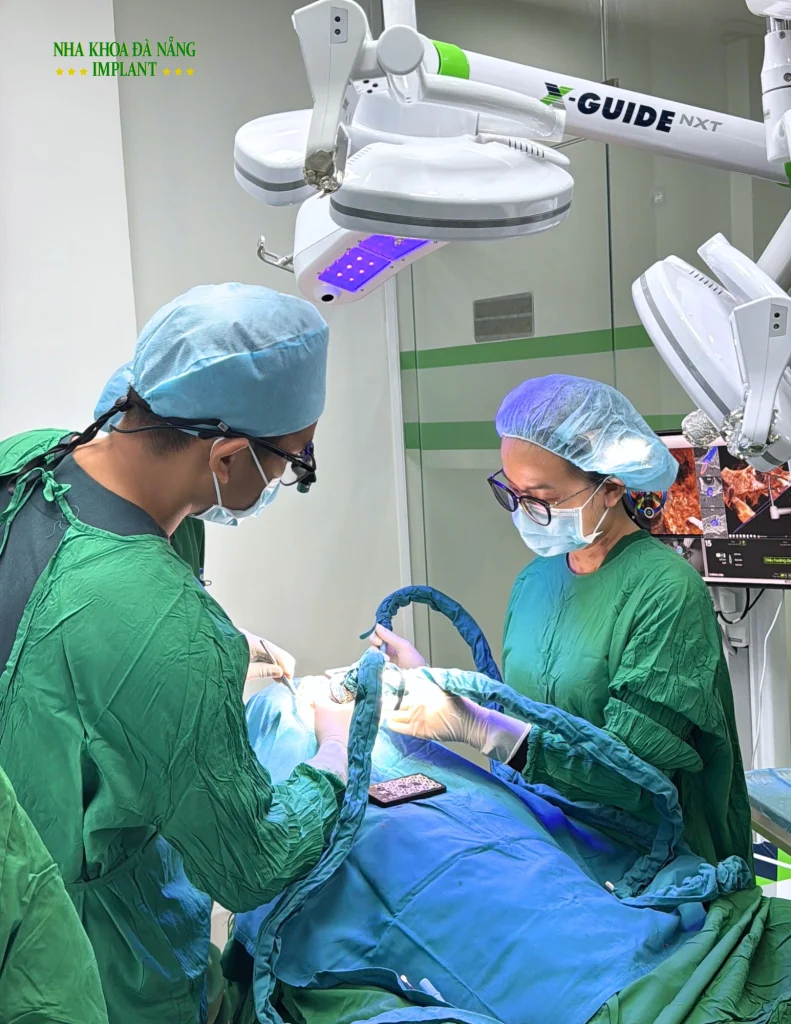
X-Guide Dental Implant Treatment at Da Nang Implant Dental Clinic
If you are considering X-Guide dental implant treatment at Da Nang Implant Dental Clinic, we encourage you to discuss your current dental condition, aesthetic expectations, and available treatment time directly with our dentists.
This information provides the foundation for developing a personalized treatment plan and determining how X-Guide technology may support your specific needs.
Contact Da Nang Implant Dental Clinic to schedule a consultation, explore your dental restoration options, and learn how X-Guide technology may be incorporated into your individual treatment plan.

Ngày: 19/04/2025
Ngày: 26/10/2023
Ngày: 05/10/2026
Ngày: 30/09/2026

Ngày: 22/09/2026

Ngày: 15/09/2026