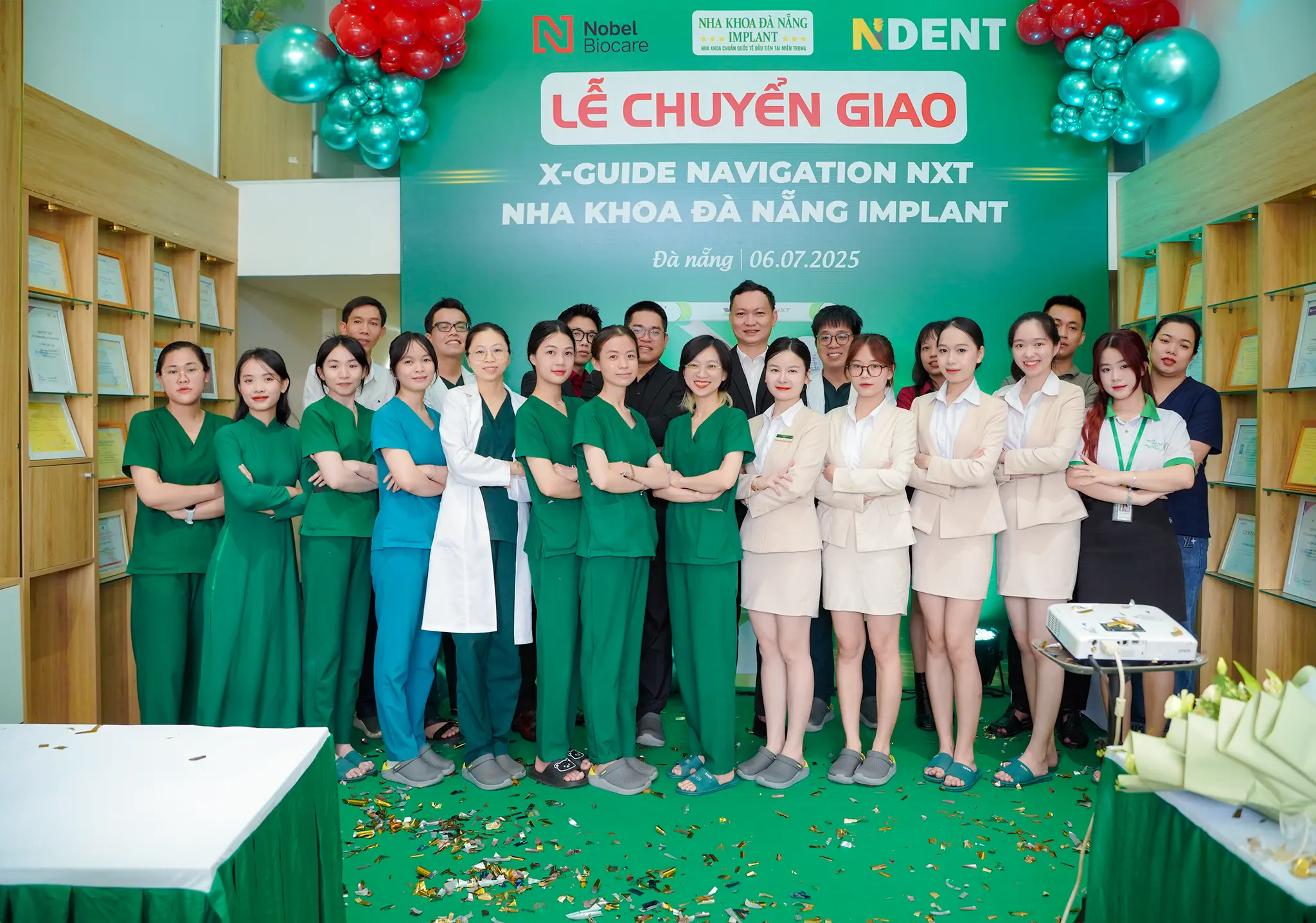
Dental implant placement is currently a modern and durable solution for restoring missing teeth. However, not every case allows immediate implant placement. In many situations, the dentist will indicate bone grafting or a sinus lift to ensure the implant is stable and safe in the long term.
So when is bone grafting or a sinus lift necessary, and when is it not? The article below will help you understand clearly before deciding on treatment.
An implant is a titanium post that is placed directly into the jawbone. For the implant to integrate well, the jawbone must have sufficient:
When the jawbone has resorbed due to long-term tooth loss, infection, or a low sinus floor, placing an implant directly may cause:
At this point, bone grafting or a sinus lift becomes a mandatory supportive step to create a solid bone foundation.
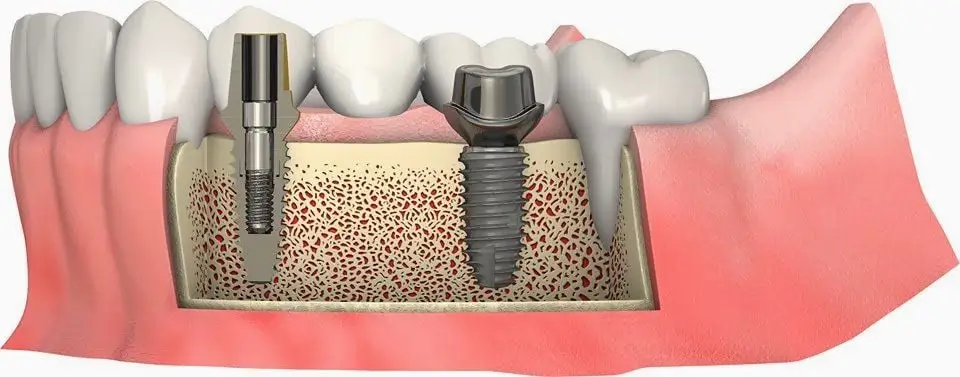
Why is bone grafting or a sinus lift needed for dental implants?
The dentist will indicate implant bone grafting when:
Long-term tooth loss has led to jawbone resorption
The jawbone is thin and lacks sufficient volume to support the implant post
There is a history of severe periodontitis
Multiple implants need to be placed at the same time (All-on-4, All-on-6, etc.)
Bone grafting helps to:
Regenerate resorbed bone
Increase the stability of the implant post
Prolong the lifespan of dental implants
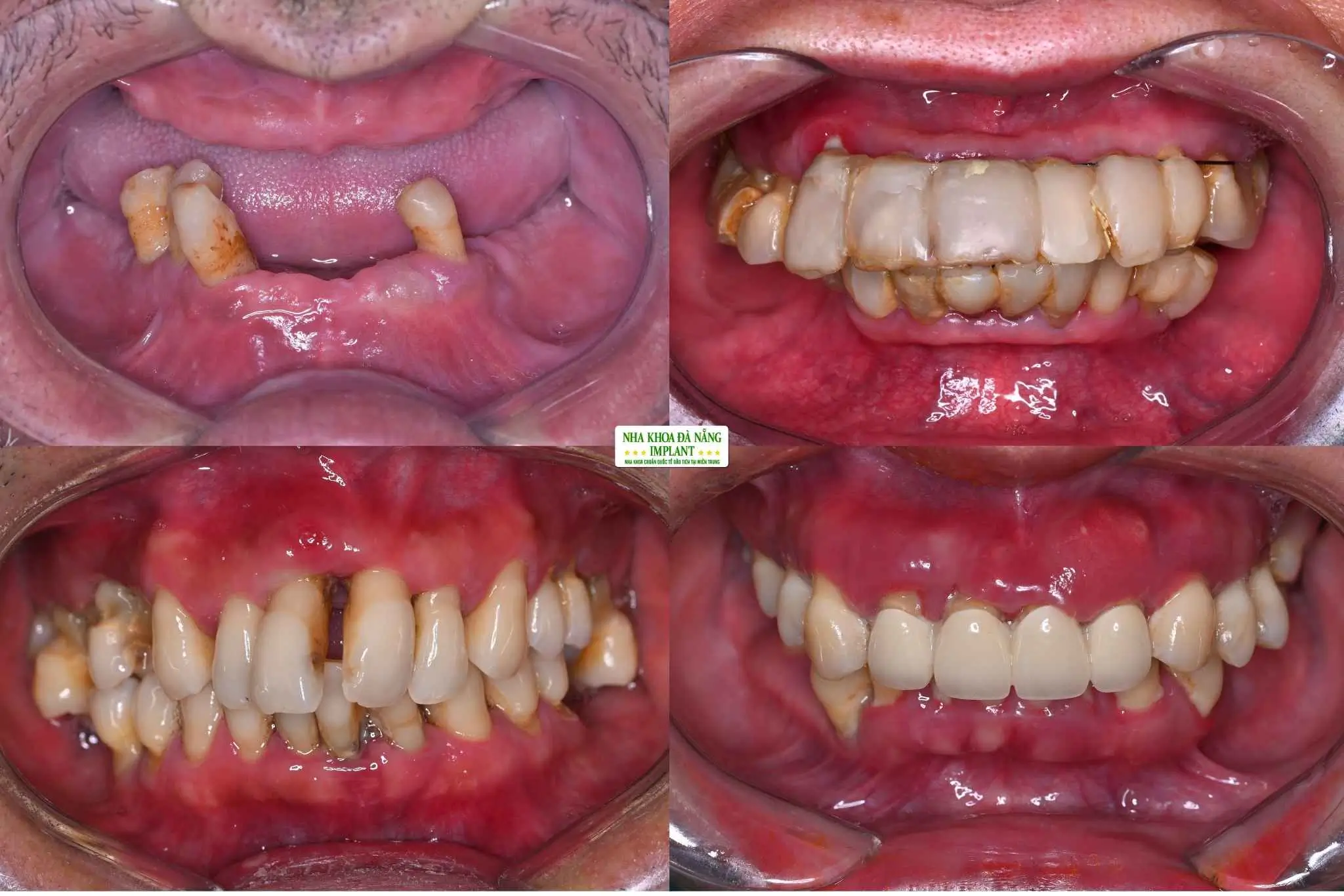
Which cases REQUIRE bone grafting?
A sinus lift is commonly applied in the upper posterior region, where the maxillary sinus is located close to the tooth roots.
You may need an implant sinus lift if:
The height of the upper jawbone is insufficient
The maxillary sinus has dropped due to long-term tooth loss
Implant placement is required in the upper teeth positions 4 – 5 – 6 – 7
A sinus lift helps to:
Create a safe space for implant placement
Prevent the implant from invading the maxillary sinus
Ensure long-term treatment success

Which cases REQUIRE a sinus lift?
Not everyone who undergoes dental implant treatment requires additional procedures.
You may be able to receive an implant directly if:
Tooth loss has occurred recently
The jawbone is still sufficiently thick and strong
The sinus anatomy is favorable
There are no serious jawbone diseases
Whether bone grafting or a sinus lift is needed can only be accurately determined through 3D CT imaging and evaluation by an experienced implant specialist.
With modern technology and highly experienced dentists, these procedures are:
Safe
Minimally invasive
Quick to recover
However, the dentist’s expertise and the quality of equipment are key factors that determine treatment success.

Is bone grafting or a sinus lift dangerous?
At Da Nang Implant Dental Clinic, bone grafting and sinus lift procedures are performed with proper indications, high safety standards, and personalized treatment plans for each patient.
Examination using 3D Cone Beam CT to accurately assess bone volume and sinus position
Implant specialists directly plan and carry out the treatment
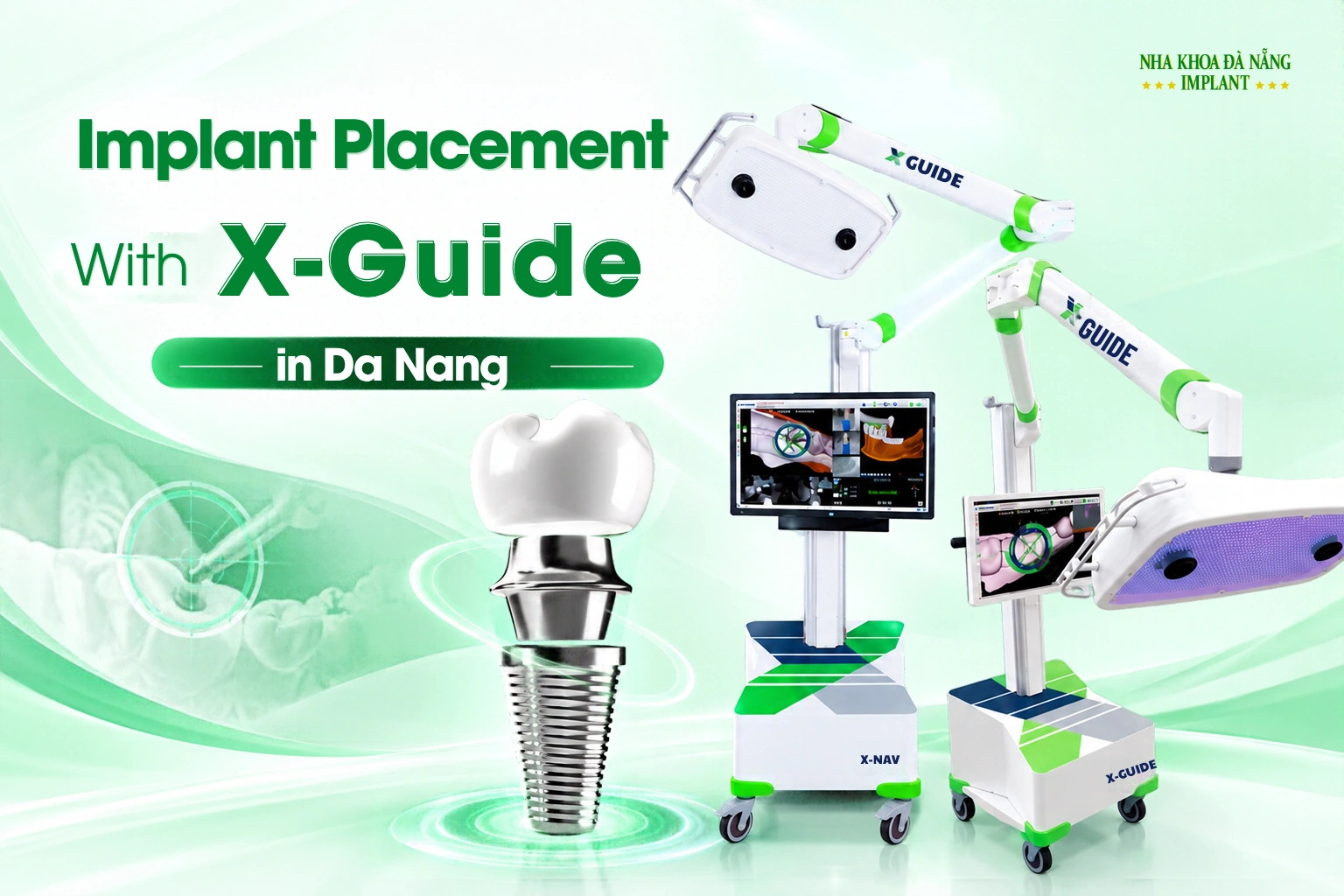
Application of implant navigation and support technologies to minimize invasiveness, reduce pain, and limit swelling
Use of medically certified bone graft materials to ensure long-term osseointegration
Strict sterilization protocols, with thorough post-treatment monitoring and care
Thanks to standardized protocols and modern technology, Da Nang Implant Dental Clinic helps patients confidently undergo dental implant treatment even in cases of bone loss or low sinus floors, ensuring stable and long-lasting results.
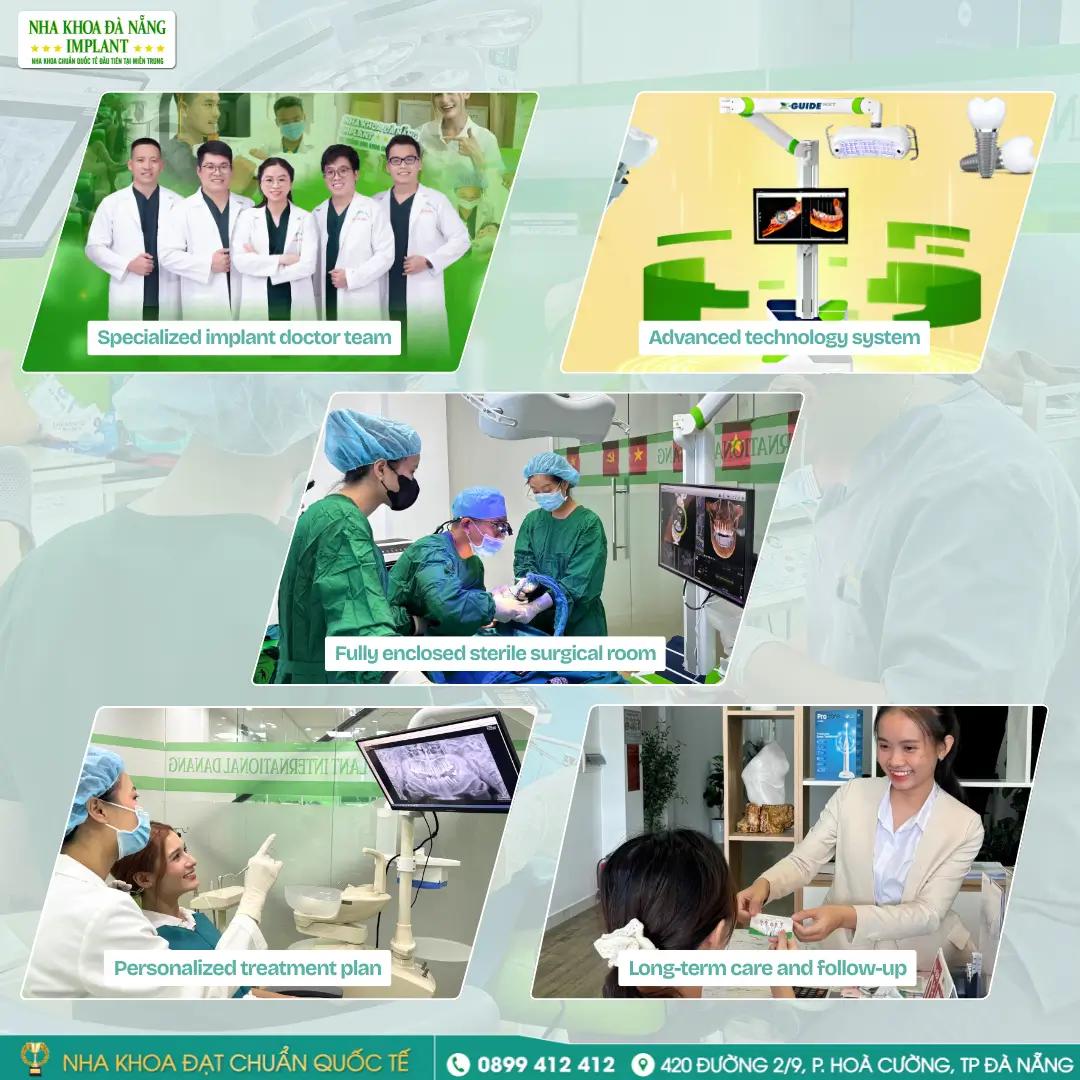
Bone Grafting & Sinus Lift for Dental Implants at Da Nang Implant Dental Clinic
Bone grafting and sinus lift are not always necessary when placing dental implants, but in cases where the jawbone is insufficient, these steps are crucial to ensure the implant is stable, integrates well, and lasts long. The most important factor is to receive an accurate examination, diagnosis, and treatment from an implant specialist. At Da Nang Implant Dental Clinic, each patient is carefully evaluated, appropriately indicated, ensuring safety, effectiveness, and optimized costs, resulting in strong and long-lasting dental restoration.
If you are missing teeth and want to know whether you need bone grafting or a sinus lift, visit for a consultation and CT scan to receive clear guidance from the start.

Ngày: 19/04/2025
Ngày: 26/10/2023

Ngày: 14/10/2026
Ngày: 13/10/2026
Ngày: 08/10/2026
Ngày: 05/10/2026