You may have undergone root canal treatment in the past, but after some time, the tooth begins to hurt when chewing, a small swelling appears on the gums, or your dentist detects inflammation around the root of the tooth. At this point, many people wonder: Can a previously root canal-treated tooth be treated again, or does it need to be extracted?
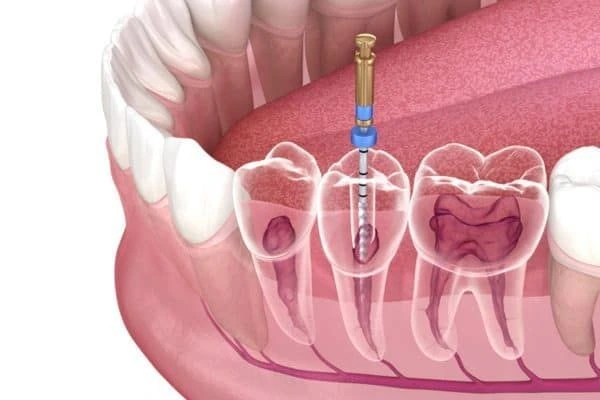
What Is Root Canal Retreatment?
In fact, depending on the condition of the tooth and the underlying cause, root canal retreatment may be an option to help control infection and preserve the natural tooth. However, this procedure is not necessary or suitable in every case.
Join Da Nang Implant Dental Clinic as we explore what root canal retreatment is, when it may be recommended, and what you should discuss with your dentist before making a decision.
Root canal retreatment is a procedure in which a dentist re-enters the root canal system of a previously treated tooth to address an infection that has persisted or developed after the initial treatment.
Typically, the dentist creates an access opening, removes the existing root canal filling material when possible, and cleans and disinfects the root canal system again. The canals are then refilled and sealed, and the tooth is appropriately restored.
The goal is to create favorable conditions for healing in the tissues surrounding the tooth roots while preserving the natural tooth whenever possible.
A tooth may develop problems months or even years after its initial root canal treatment. Retreatment can help preserve the tooth in many cases, but the outcome depends on its individual condition and cannot be guaranteed.
During root canal treatment, the pulp tissue inside the tooth is removed or treated. However, the tissues surrounding the tooth roots may still become inflamed or infected.
Some common causes include:
Every tooth has a different number and configuration of root canals. Some canals are extremely narrow, curved, or anatomically complex, making them difficult to detect and thoroughly clean during the initial treatment.
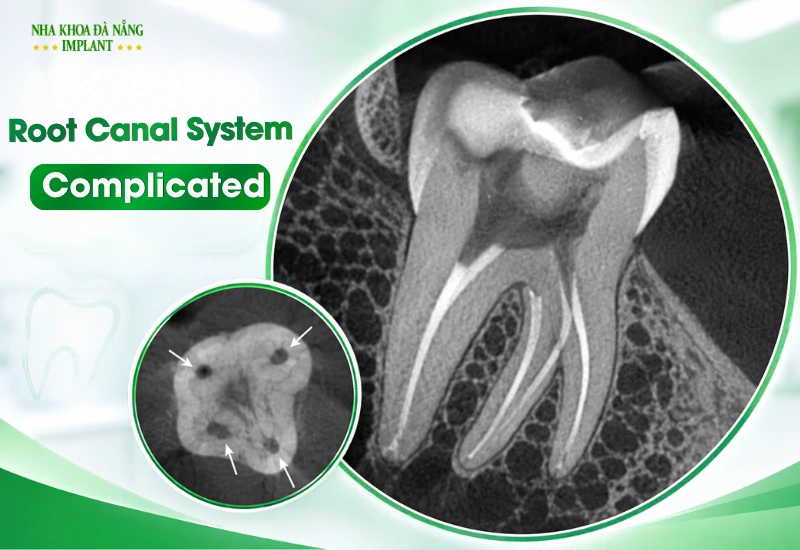
Complex Root Canal Anatomy
If bacteria remain in these areas, inflammation around the tooth roots may not heal as expected.
After root canal treatment, the tooth requires an appropriate restoration to protect the remaining structure and prevent bacterial penetration.
If the restoration is delayed, or if a filling or dental crown becomes loose, fractured, or develops gaps, bacteria may enter the tooth again.
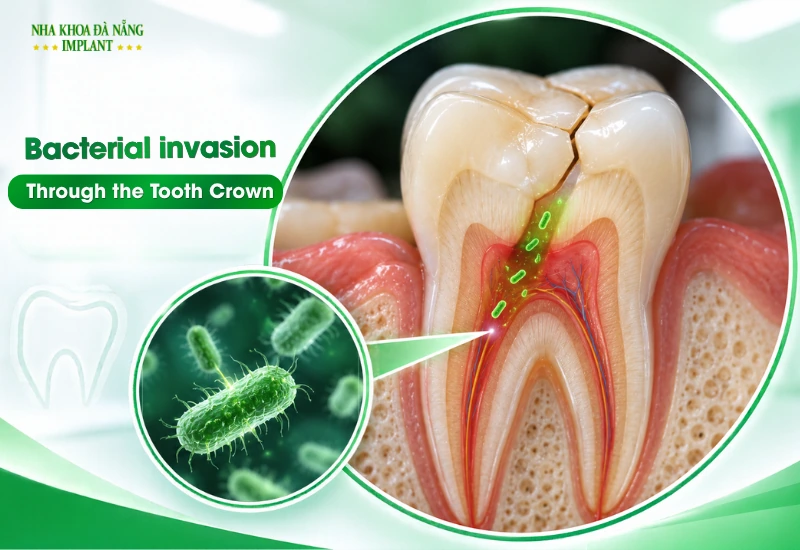
Bacterial Reinfection Through the Tooth Structure
New decay around an existing filling or crown can also increase the risk of reinfection.
Trauma, excessive chewing forces, or gradual weakening of the tooth can lead to cracks or fractures.
Depending on their location and severity, these cracks may allow bacteria to enter or affect whether the tooth can be successfully preserved.
Important note: The need for root canal retreatment does not necessarily mean that the previous treatment was performed incorrectly. Problems may arise due to complex tooth anatomy, the healing process, or changes that occur after treatment.
You should schedule a dental examination if a previously root canal-treated tooth shows any of the following signs:
Not every dental problem causes pain. Conversely, pain following root canal treatment does not always mean that retreatment is necessary. The discomfort may be related to bite problems, gum disease, tooth fractures, or an adjacent tooth.
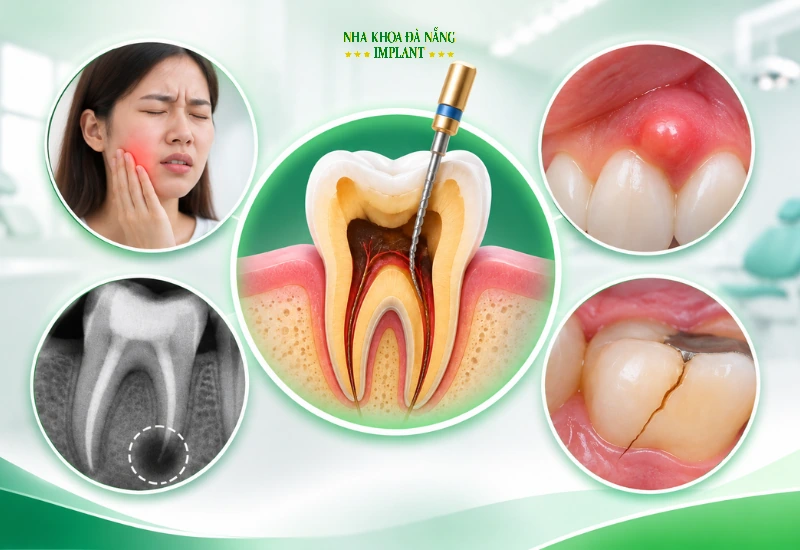
When Should You Visit a Dentist to Consider Root Canal Retreatment?
The dentist must combine a clinical examination, symptom assessment, and dental X-rays to identify the underlying cause.
In some cases, changes around the root tip may need to be monitored over time to evaluate healing before deciding whether further treatment is necessary.
When Is Urgent Dental Care Needed?
If you experience facial or jaw swelling, fever, worsening pain, or signs of an abscess, contact your dentist promptly.
If swelling is accompanied by difficulty breathing, swallowing, or speaking, or affects the eye area, seek emergency medical care immediately.
In many cases, root canal retreatment is more complex than the initial procedure because the dentist must address changes resulting from the previous treatment.
For example, the tooth may already have a dental crown, a post inside the root canal, or existing root canal filling material. Removing or working around these structures requires careful consideration.
Additionally, curved, narrow, or blocked canals may make the procedure more challenging and time-consuming.
The dentist will evaluate several factors, including:
A thorough examination before treatment helps patients better understand the possibility of preserving the tooth, potential challenges, and available treatment options.
Depending on the individual case, the procedure may be adjusted and completed in one or multiple appointments.
The process typically includes the following steps:
The dentist reviews the patient’s dental history, asks when symptoms began, and examines the affected tooth, surrounding gums, and bite.
Dental X-rays help assess the roots, existing root canal fillings, and surrounding bone.
In complex cases, a Cone Beam Computed Tomography (CBCT) scan may be recommended to obtain three-dimensional images for diagnosis and treatment planning.
However, CBCT scans are prescribed according to individual clinical needs and are not necessary for every patient.
Following the examination, the dentist explains the condition of the tooth, its restorability, the proposed treatment steps, expected duration, costs, and potential complications.
If root canal retreatment is not appropriate, alternative options such as endodontic surgery, tooth extraction, and replacement may be discussed depending on the case.
Local anesthesia is administered when necessary, and the dentist creates an opening to access the root canal system.
Depending on the existing restoration, the dentist may need to remove a crown or post or create an access opening through the restoration.
The previous root canal filling material is removed when possible. The dentist then locates and treats the canals, performing cleaning, shaping, and disinfection according to the treatment plan.
Once the root canals have been adequately cleaned, they are filled and sealed again.
In some cases, medication may be placed inside the canals, and a temporary filling is used between appointments.
After endodontic retreatment, the tooth requires an appropriate restoration to protect its remaining structure and reduce the risk of bacterial reinfection.
Depending on the location of the tooth and the amount of remaining tooth structure, restoration options may include a dental filling, partial-coverage restoration, or dental crown.
Follow-up appointments are important for monitoring symptoms, checking the restoration, and evaluating healing around the tooth roots.
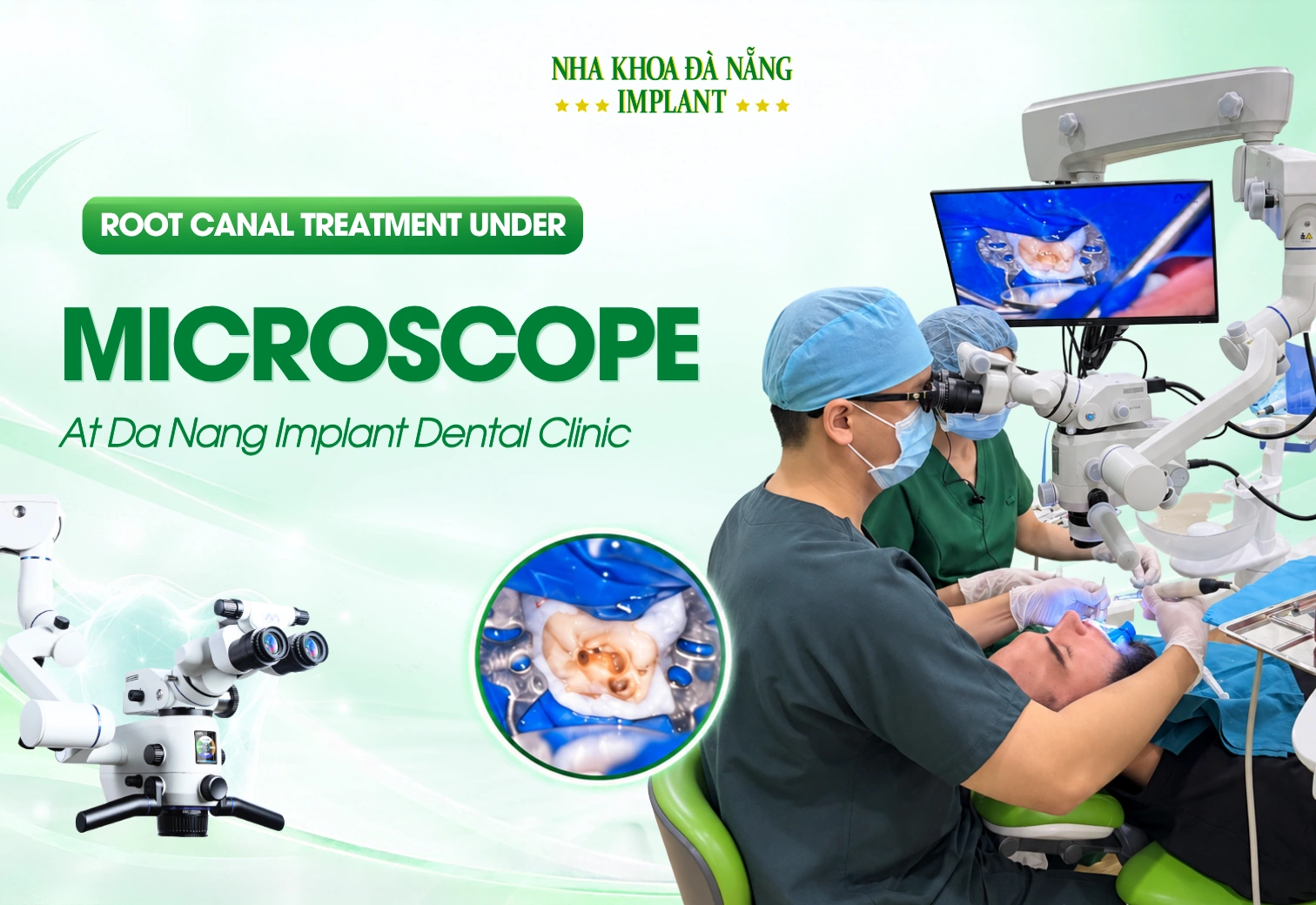
During root canal retreatment, dentists often need to examine extremely small anatomical details within a confined treatment area.
A dental operating microscope provides magnification and focused illumination, helping the dentist visualize delicate structures and perform procedures requiring a high level of precision.
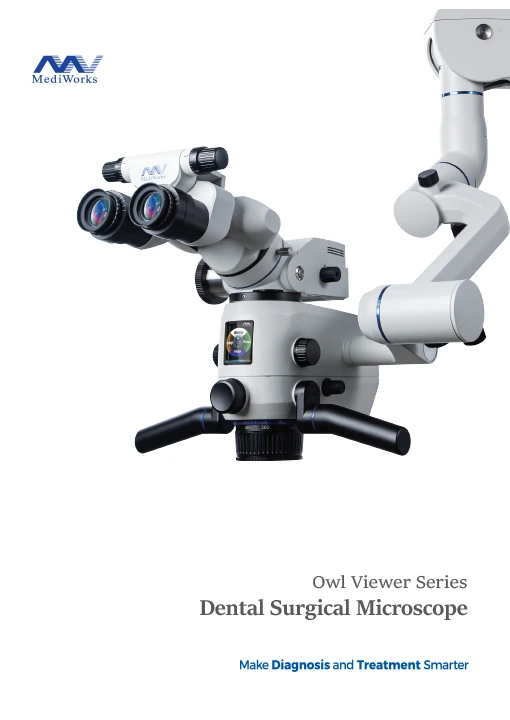
MediWorks SM625D Dental Microscope
Depending on the case, a dental microscope can assist dentists in:
At Da Nang Implant Dental Clinic, the MediWorks SM625D dental operating microscope is one of the technologies available to assist dentists during endodontic treatment when clinically appropriate.
However, a microscope is a supporting tool. It cannot replace accurate diagnosis, clinical expertise, or guarantee that every tooth can be preserved.
The possibility of saving a tooth must always be assessed based on its overall condition and the surrounding tissues.
Not every tooth that undergoes root canal retreatment requires a dental crown.
The dentist will consider several factors, including:
For teeth with significant structural loss or those exposed to heavy chewing forces, a dentist may recommend a dental crown or another suitable type of restoration.
The key is to restore the tooth at the appropriate time using a treatment plan tailored to its actual condition.
If the tooth already has a crown, you may ask your dentist:
“Can my existing crown be preserved, or will it need to be replaced after retreatment?”
The answer depends on the crown’s fit, integrity, and the method used to access the root canals.
A tooth that has undergone successful root canal retreatment and received an appropriate restoration may continue functioning for many years.
However, there is no fixed lifespan that applies to every patient.
The long-term survival of the tooth depends on several factors:
After a clinical examination, the dentist can explain the prognosis, or expected likelihood of maintaining the tooth.
This information helps patients weigh the potential benefits, costs, and alternative treatment options before deciding.
Root canal retreatment aims to provide an opportunity to preserve the natural tooth, but not every tooth has a favorable prognosis.
The dentist may consider alternative treatment options if:
Depending on the underlying cause, endodontic surgery, such as apical surgery, may be considered as an alternative or in combination with root canal retreatment.
If the tooth cannot be preserved, the dentist will discuss extraction and replacement options, including dental implants, dental bridges, or removable dentures.
Each option has its own indications, benefits, and limitations.
Patients are encouraged to ask their dentist why a particular treatment is recommended before making a decision.
The cost of root canal retreatment varies depending on each patient’s clinical condition.
Following an examination, the dentist can prepare a treatment plan and estimate costs based on several factors:
When reviewing a treatment quotation, patients should clarify which services are included, particularly diagnostic imaging, removal of previous restorations, endodontic retreatment, final restoration, and follow-up appointments.
To support healing and protect the treated tooth, patients should follow these recommendations:
A tooth may have already lost some of its natural structure due to decay, previous treatments, or restorations. Root canal retreatment must therefore be performed carefully to preserve as much of the remaining tooth structure as possible. After treatment, the dentist will assess the tooth and recommend an appropriate restoration to help maintain its strength and function.
The treatment duration depends on the number of root canals, the extent of infection, the difficulty of removing existing filling materials, and the condition of the tooth. Some cases can be completed in a single appointment, while more complex cases may require multiple visits.
The absence of pain does not necessarily mean that a tooth is completely healthy. However, retreatment should not be recommended based on a single sign alone. The dentist needs to evaluate clinical findings, dental X-rays, and changes over time to determine whether treatment is necessary or continued monitoring is more appropriate.
Many teeth with existing dental crowns can still undergo root canal retreatment. The dentist will assess access to the root canals, the condition of the crown, and the health of the underlying tooth structure. In some cases, the existing crown may need to be removed or replaced after treatment.
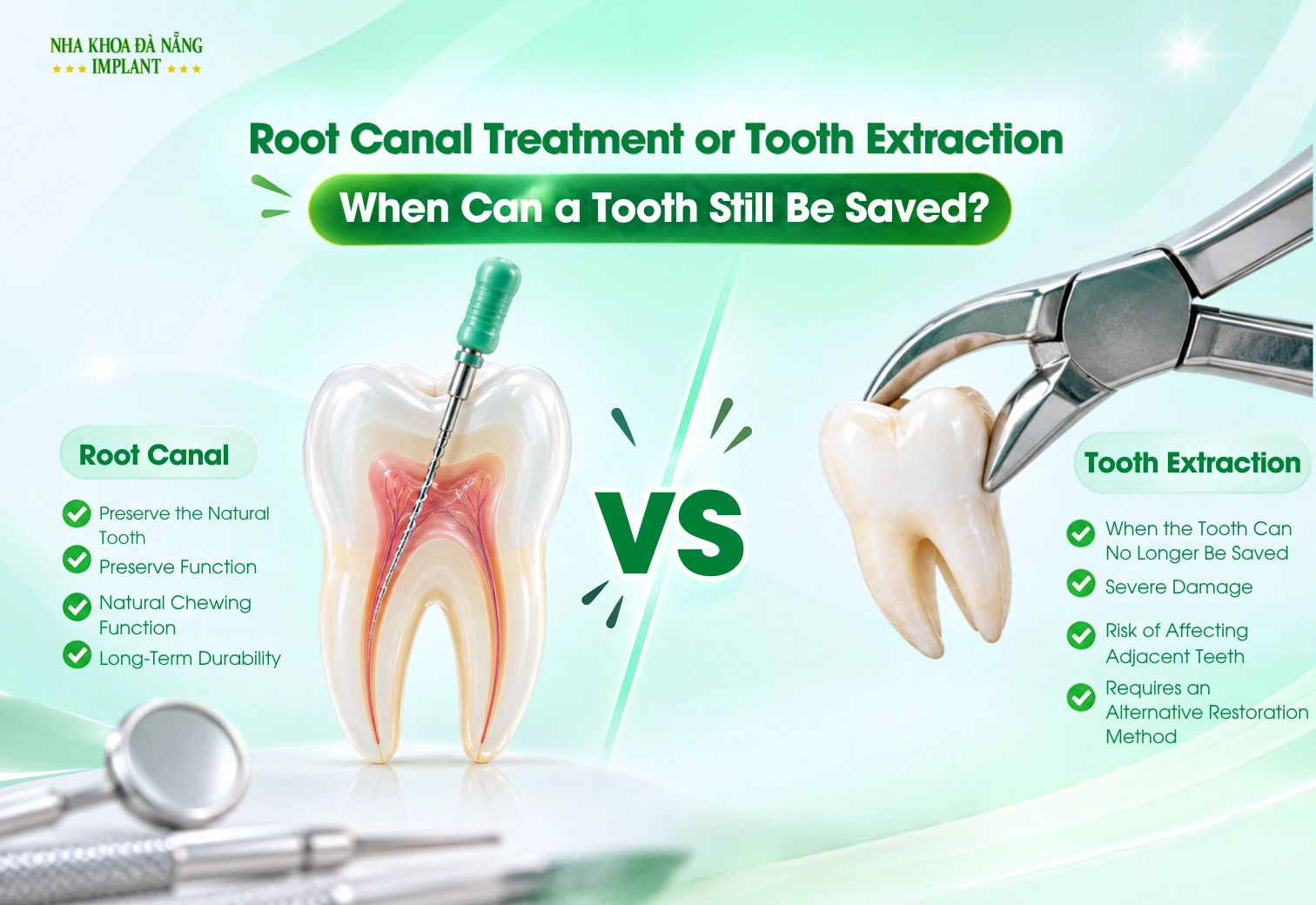
A previously root canal-treated tooth that develops new problems does not necessarily need to be extracted.
The most important step is to identify the underlying cause and assess whether the natural tooth can be preserved before selecting a treatment approach.
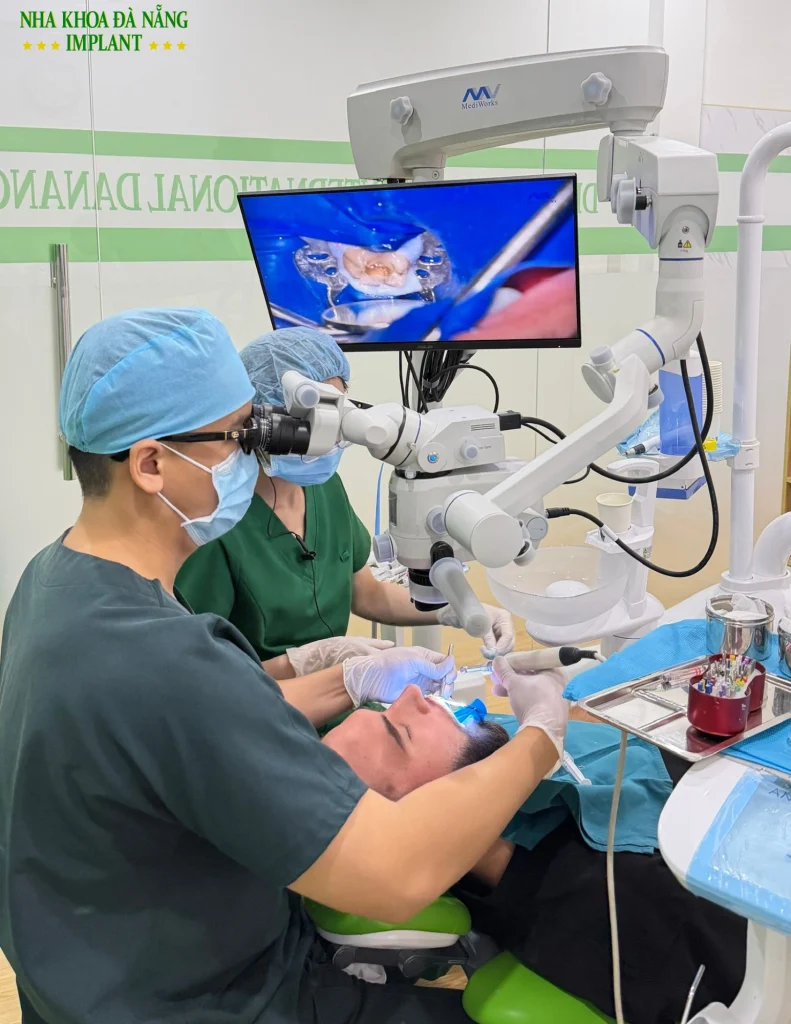
Root Canal Retreatment Consultation at Da Nang Implant Dental Clinic
At Da Nang Implant Dental Clinic, our dentists conduct clinical examinations, assess individual dental conditions, and discuss treatment plans tailored to each patient’s needs.
Dental operating microscopes and diagnostic imaging technologies may be used when clinically indicated to support endodontic treatment.
If your previously root canal-treated tooth is painful, uncomfortable when chewing, or showing unusual symptoms, contact Da Nang Implant Dental Clinic to schedule an examination and discuss suitable treatment options.
📍 Address: 420 2 Thang 9 Street, Hoa Cuong Ward, Da Nang City, Vietnam
🌐 Website: nhakhoadanangimplant.com
Ngày: 30/09/2026
Ngày: 05/10/2026
Ngày: 16/10/2026
Ngày: 20/10/2026