
Coffee and tea are familiar beverages that help many people start the day feeling alert, relax during a break, or stay focused while working. However, when consumed frequently and combined with improper oral care, pigments in these drinks can adhere to the tooth surface, gradually making teeth appear yellow or stained.

Keep Your Teeth Bright and White If You Love Coffee
The good news is that you do not necessarily have to give up your favorite drinks. With a few small habit changes, you can still enjoy coffee and tea while maintaining a bright, healthy smile. Below are 5 simple ways to help keep your teeth white and bright every day.
Tooth color is influenced not only by the outer enamel layer but also by the color of the underlying dentin, age, dietary habits, smoking, and oral hygiene practices.
Coffee and tea contain color-producing compounds that can adhere to the biofilm and to areas of the tooth surface that are not cleaned thoroughly. With frequent consumption, especially when sipping over a long period, these pigments have more opportunities to remain in contact with the teeth. Over time, extrinsic stains can accumulate and make teeth look dull or discolored.
In addition to aesthetic concerns, adding large amounts of sugar, condensed milk, or syrup also increases the time teeth are exposed to sugar. Bacteria in dental plaque use sugar to produce acids, which can increase the risk of tooth decay. Therefore, the goal is not only to keep teeth white, but also to protect the health of the teeth and gums.
This is one of the simplest ways to reduce the amount of pigment left in the mouth. After drinking coffee or tea, take a few sips of plain water or gently rinse your mouth with water, then swallow or spit it out depending on the situation.

Drink Water
Water helps rinse away some residual pigments and beverage particles while supporting moisture in the mouth. This can be especially useful for people who regularly consume caffeinated drinks, as caffeine may contribute to dry mouth in some individuals. Saliva plays an important role in natural cleansing and tooth protection, so staying well hydrated is also an important part of oral care.
Easy tip: Keep a glass of water next to your coffee or tea. Once you finish your drink, have some water right away instead of waiting until you feel thirsty.
It is not only the amount of coffee or tea that matters; the length of time the drink remains in contact with the teeth can also affect stain formation. Drinking one cup within a reasonable period is generally better than sipping continuously throughout the morning and repeatedly refilling it.
Try to drink coffee or tea within a defined period, then finish with plain water. For iced coffee or tea, using a straw positioned toward the back of the mouth may help reduce direct contact with the front surfaces of the teeth to some extent. However, do not use a straw with very hot drinks because of the risk of burns.
At the same time, reduce sugar, condensed milk, and flavored syrups whenever possible. This does not directly remove stains, but it can help lower the risk of tooth decay and plaque buildup – factors that can make teeth look less clean and less bright.
Regular brushing helps remove plaque and limit the buildup of surface stains on tooth enamel. You should:
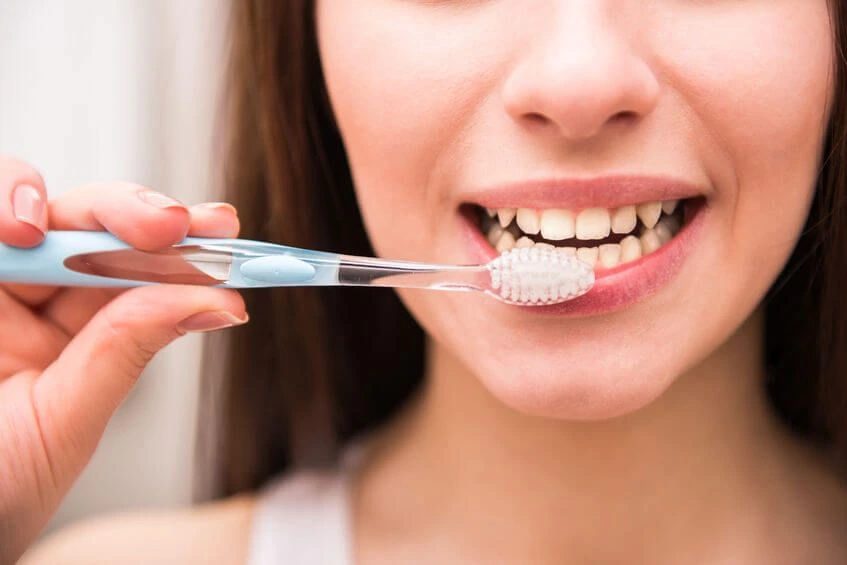
Brush your teeth twice a day
Do not brush aggressively in an attempt to whiten your teeth faster. Excessive brushing pressure or highly abrasive products may injure the gums, wear down the tooth surface, and increase sensitivity.
After drinking acidic coffee or tea, or beverages with added lemon, you should not brush your teeth immediately. Rinse with water and wait about 30-60 minutes to allow saliva time to help neutralize the oral environment before brushing.
Whitening toothpaste mainly helps reduce extrinsic surface stains through cleaning and polishing. It may be suitable for people who regularly drink coffee or tea when chosen appropriately and used according to the instructions.
It is important to understand that whitening toothpaste generally works only on surface stains. It cannot significantly change the natural color of dentin or address every cause of tooth discoloration.
You should also avoid frequently rubbing your teeth with lemon, vinegar, activated charcoal, coarse salt, or other acidic or abrasive mixtures. These methods may damage the tooth surface, increase sensitivity, and make teeth more prone to staining over time. If you would like to use an at-home whitening product, consult a dentist before starting.
Even with good oral hygiene, plaque, tartar, and stains from coffee or tea can still accumulate in certain areas. Regular dental checkups allow the dentist to assess the cause of discoloration, evaluate the health of the teeth and gums, and recommend an appropriate solution.
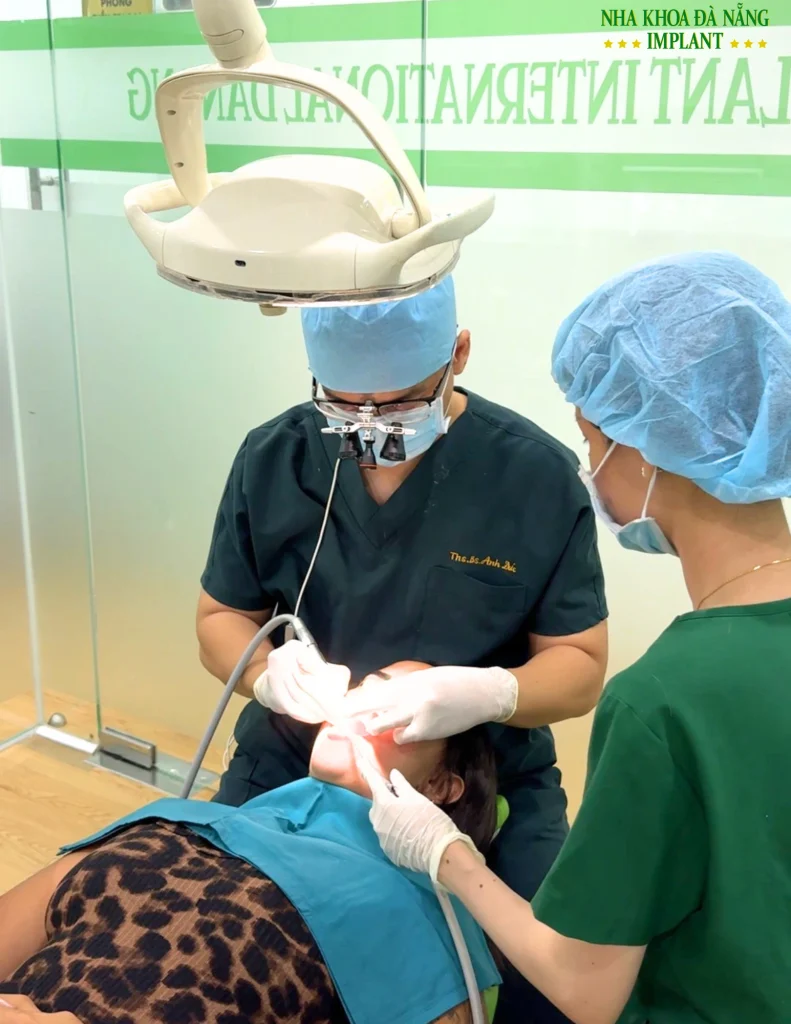
Regular Check-Ups at Da Nang Implant Dental Clinic
Professional scaling combined with polishing can help remove tartar and many extrinsic stains, leaving the tooth surfaces cleaner and brighter. However, this does not change the natural tooth color in the same way as whitening treatment.
If the teeth remain dark after professional cleaning, the dentist may consider teeth whitening if the teeth and gums are healthy enough. Whitening performed at the dental clinic or under a dentist’s guidance is generally safer and better controlled than using products of unclear origin without professional supervision.
Keep in mind that restorations such as crowns, bridges, veneers, and implant-supported teeth do not change color with whitening agents in the same way as natural teeth. Therefore, patients with restorations in the front tooth area should have the overall shade assessed by a dentist before whitening to help avoid noticeable color differences.
In addition to the 5 tips above, try to avoid habits that can reduce the effectiveness of your oral care:
You can follow this simple routine:
When maintained consistently, these small adjustments can help limit new stains and keep your smile looking clean and bright for longer.
To help keep your teeth bright and white if you regularly drink coffee or tea, drink water afterward, avoid prolonged sipping, maintain proper oral hygiene, choose suitable cleaning products, and have regular dental checkups. More importantly, do not compromise enamel health in pursuit of fast whitening results with unproven methods.
If your teeth are already stained or have tartar buildup, or if you would like to improve your tooth color safely, visit Da Nang Implant Dental Clinic for an examination and personalized advice. The causes of discoloration and levels of sensitivity vary from person to person, so a direct dental assessment is an important step before whitening.
Book an appointment at Da Nang Implant Dental Clinic for advice on safe and suitable cleaning and tooth-color improvement options.

Ngày: 19/04/2025

Ngày: 26/10/2023
Ngày: 20/10/2026
Ngày: 16/10/2026

Ngày: 14/10/2026
Ngày: 13/10/2026