Wearing retainers after orthodontic treatment is the key factor that keeps your results stable and preserves a beautiful smile long-term. Let’s explore why doctors always emphasize this step, the common types of retainers, the consequences of skipping them, and expert care instructions from Da Nang Implant Dental Clinic.
Braces help align your teeth and create a beautiful, confident smile. However, many people think that once the brackets are removed, the process is complete. In reality, your teeth need time to stabilize in their new positions — and this is when retainers become essential.
If you don’t wear retainers, your teeth may shift, your bite can change, and the aesthetics of your smile may be affected. Orthodontists always emphasize: finishing braces is not the end — wearing retainers is the crucial step to maintain long-term results.
Why are retainers important after braces
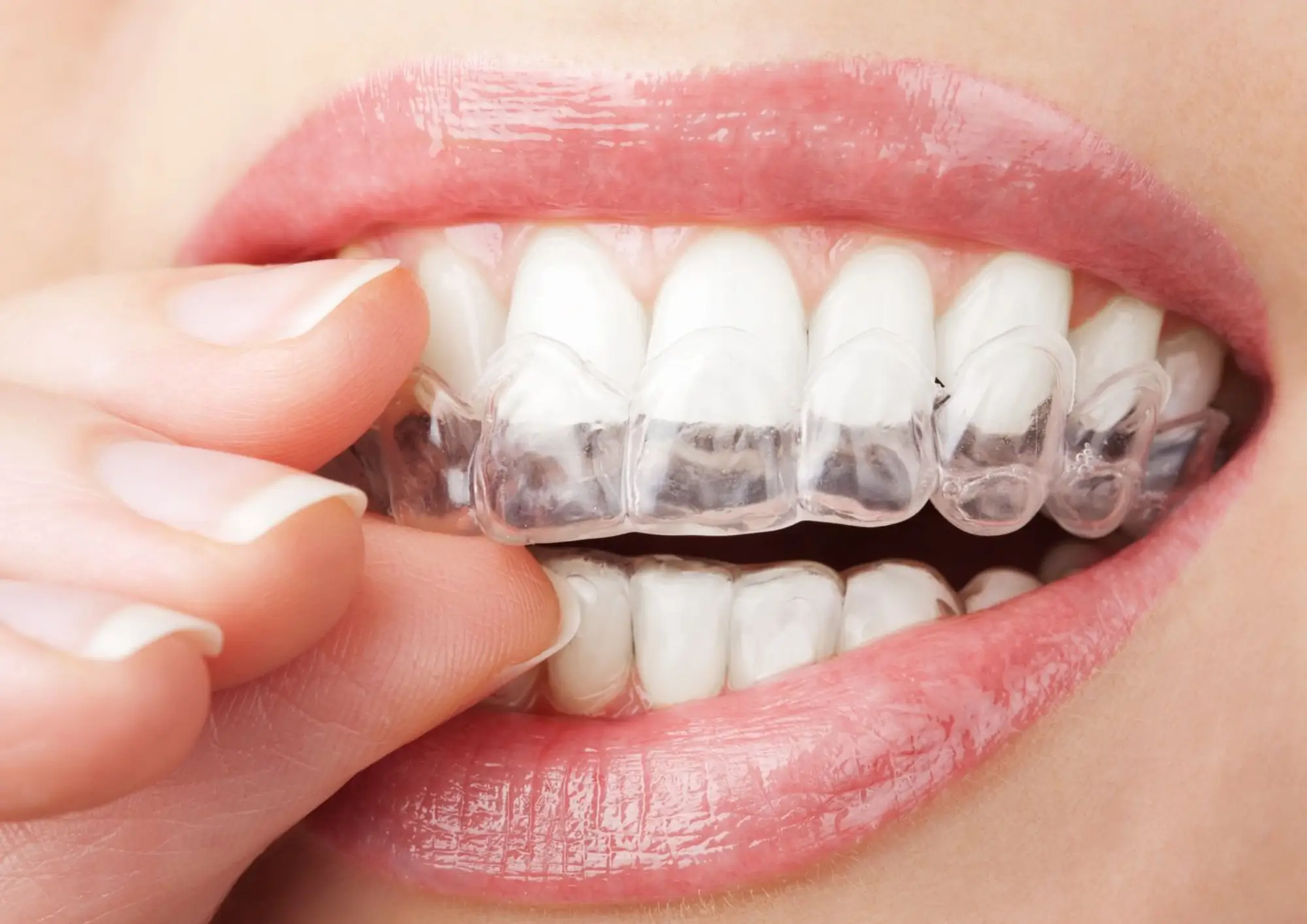
A retainer is an orthodontic appliance custom-designed according to each person’s dental structure, with the purpose of keeping the teeth stable and allowing the bone and gums to adapt to their new positions.
Retainers are divided into two main types, each suitable for different needs and dental conditions:
Characteristics:
Can be removed during eating or oral hygiene.
Usually made of clear plastic or plastic combined with metal wire.
Designed to fit closely to the teeth to maintain their new position.
Advantages:
Easy to clean and maintain good oral hygiene.
Highly aesthetic, almost invisible when worn.
Convenient to remove when necessary.
Disadvantages:
Effectiveness depends on wearing them as instructed.
Easy to forget or lose if not handled carefully.
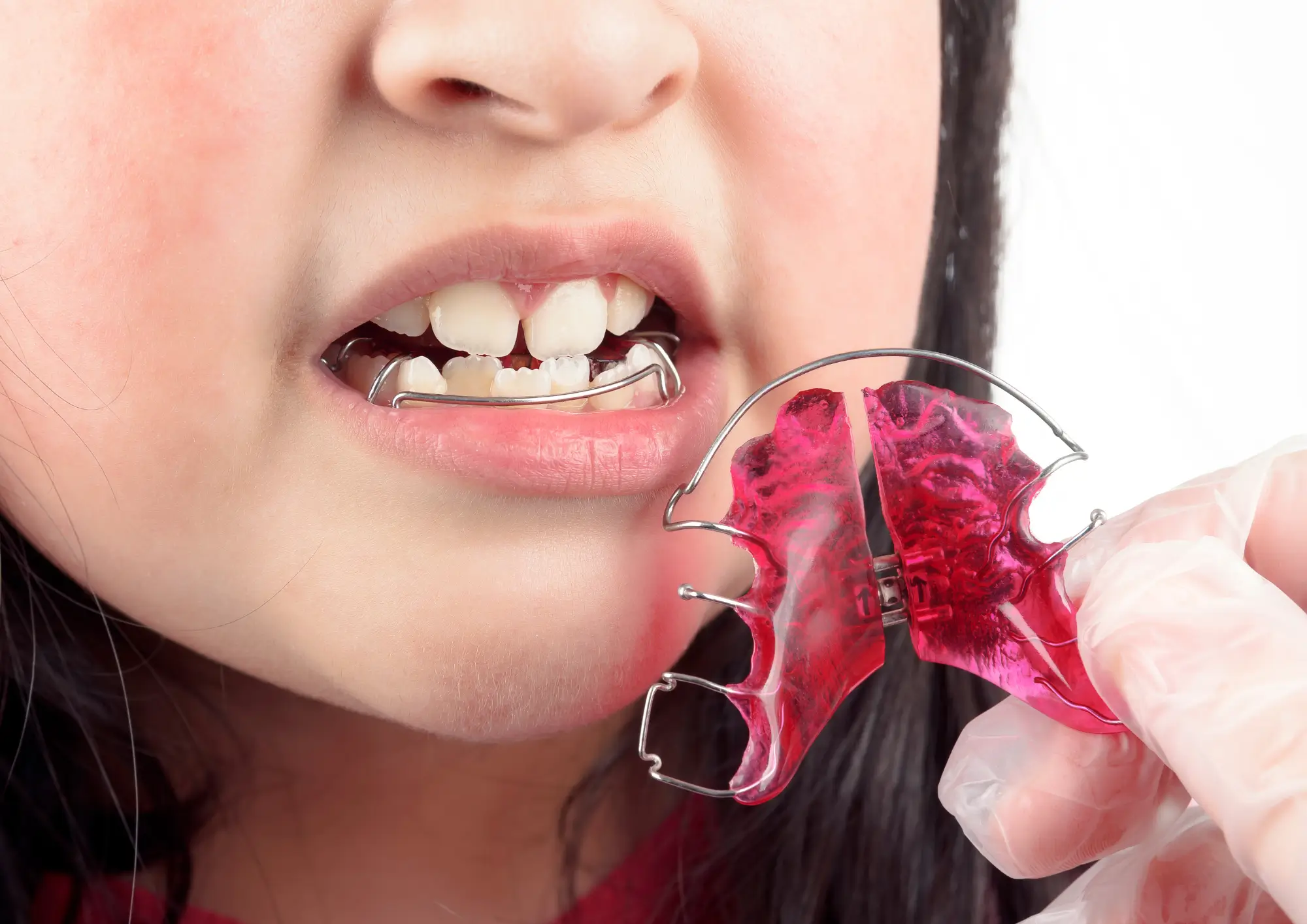
Removable retainers
Characteristics:
A thin metal wire bonded to the back of the teeth.
Keeps the teeth stable continuously and cannot be removed.
Advantages:
Maintains stability 24/7, even if the patient forgets to wear a removable retainer.
Suitable for teeth that tend to shift easily.
Disadvantages:
More difficult to clean; requires floss threaders or interdental brushes.
May feel unusual during the first few days.
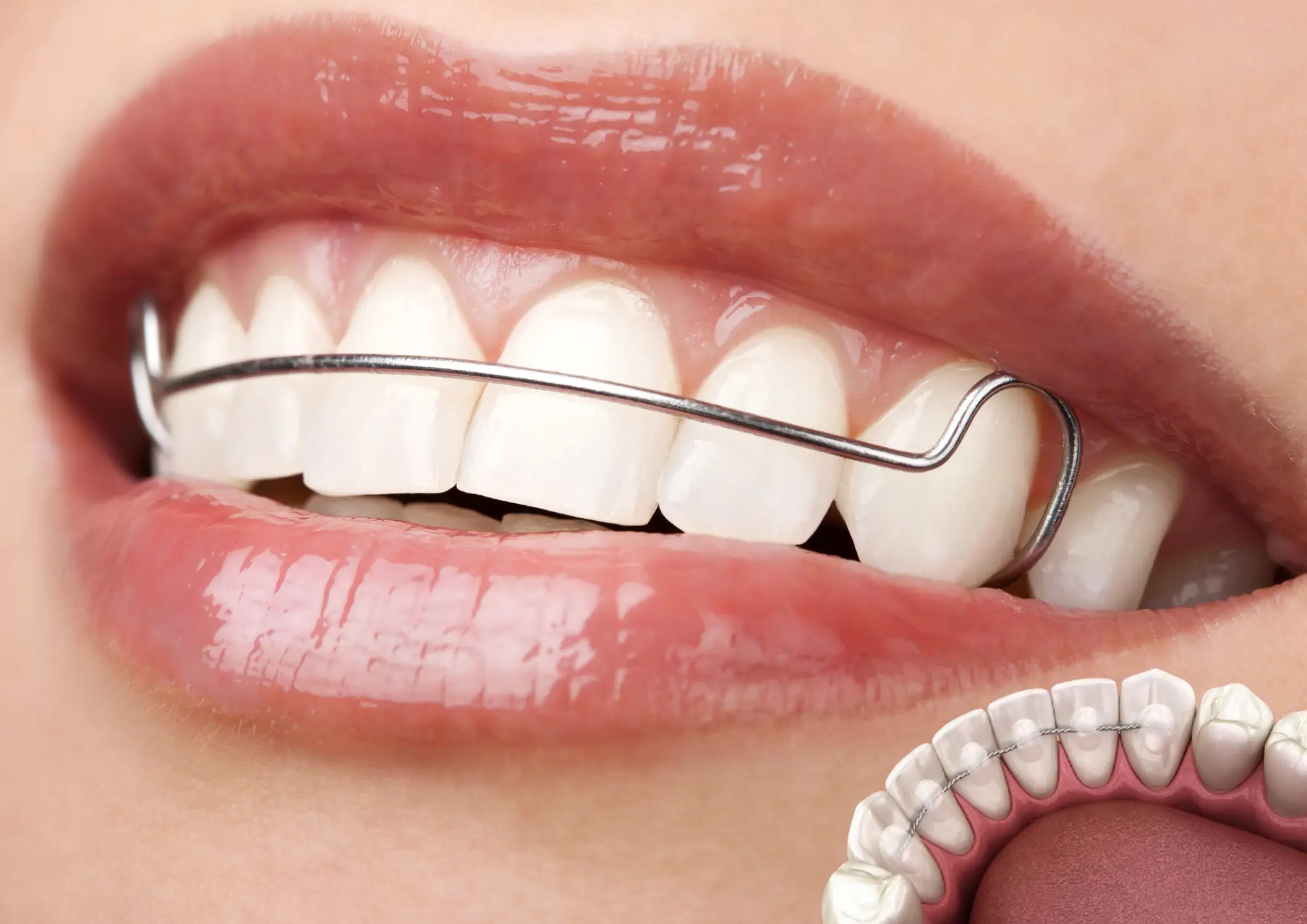
Fixed retainers
Conclusion:
Removable retainers: flexible, easy to clean, dependent on patient compliance.
Fixed retainers: provide continuous tooth stability, suitable for teeth that tend to shift.
In many cases, the doctor may combine both types to achieve optimal results.
Right after braces are removed, the teeth are not yet fully stable in the jawbone. Without retainers, teeth tend to move back to their original position, affecting aesthetics and the bite.
Orthodontic treatment requires the bone and gums to adapt to tooth movement. Retainers help the teeth, gums, and jawbone stabilize together, preventing relapse.
Retainers help preserve a straight, beautiful smile, preventing crowding, misalignment, or gaps. This saves time and money by avoiding the need for braces again.
Studies from orthodontic centers show that about 70% of patients who do not wear retainers properly experience relapse within just 6–12 months.
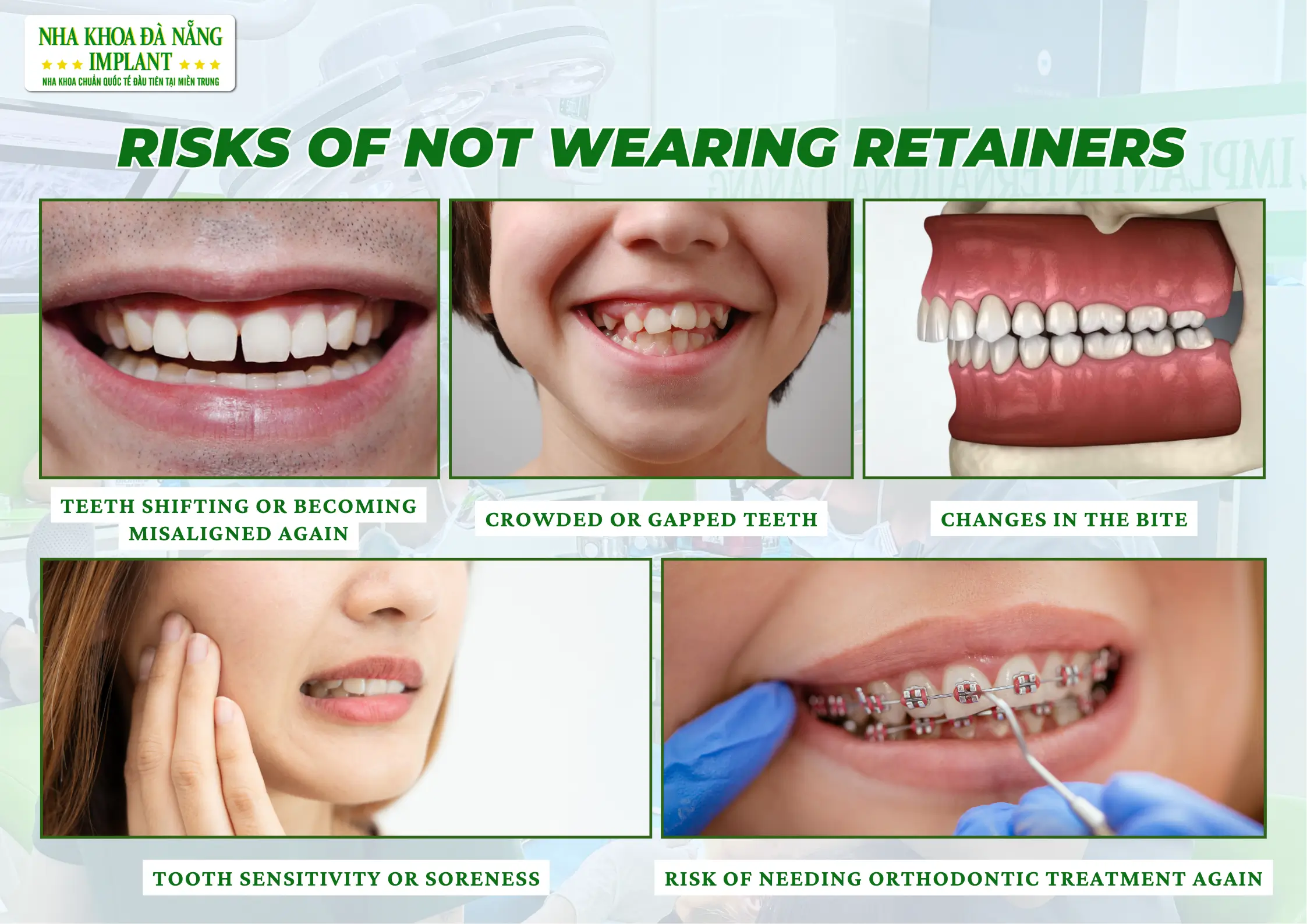
Consequences of not wearing retainers
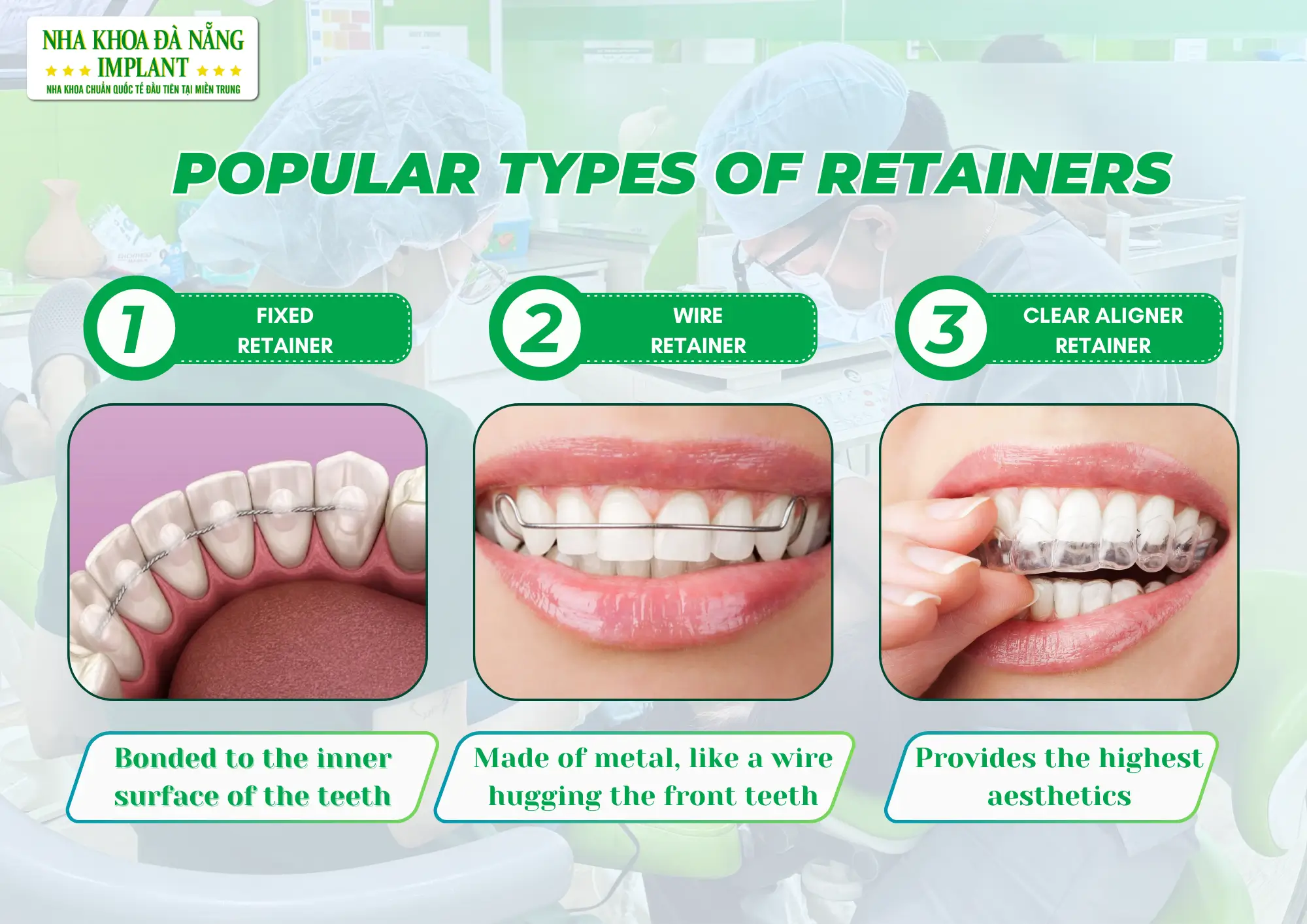
Choosing the Right Retainer

Da Nang Implant Dental Clinic specializes in providing services such as:
Aesthetic braces, retainers, and advanced orthodontics.
High-quality dental implants to restore missing teeth.
Porcelain crowns to enhance your smile.
Comprehensive dental consultation and care, helping clients feel confident with a perfect smile.
Wearing a retainer after orthodontic treatment is not just a recommendation but a mandatory step if you want to maintain long-term results. The retainer keeps teeth stable, prevents shifting, and protects your aligned smile after the effort of braces. Skipping the retainer may cause teeth to become misaligned again, bite changes, and possibly require re-bracing – costing both time and money.
To ensure sustainable orthodontic results, follow the prescribed retainer schedule and attend regular check-ups at a reputable dental clinic.
Da Nang Implant Dental Clinic accompanies you throughout the orthodontic process – from braces and retainers to long-term smile care. With experienced doctors and modern equipment, we are committed to providing you with a beautiful, durable, and confident smile over time.

Ngày: 19/04/2025
Ngày: 26/10/2023
Ngày: 16/10/2026
Ngày: 14/10/2026
Ngày: 13/10/2026
Ngày: 08/10/2026